 Jobboy

Introduction to Nonprofit Resume Writing in 2026
Job seekers targeting the nonprofit sector must create resumes that demonstrate both professional expertise and a genuine commitment to mission-driven work. In 2026, employers in education, health, and environmental organizations seek candidates who can articulate measurable impact rather than generic duties. This guide provides step-by-step instructions for tailoring your resume to align with nonprofit values while optimizing for applicant tracking systems. Nonprofit hiring managers prioritize authenticity alongside results. Whether you are transitioning from the corporate world or building experience through volunteering, your resume should emphasize how your background supports causes like community education, public health initiatives, or climate advocacy. Understanding the unique landscape of the sector helps you stand out in a competitive pool where passion meets proven outcomes.
Aligning Your Resume with Mission-Driven Values
Begin by researching the specific nonprofit's goals. Review their website and recent annual reports to identify key phrases such as "community empowerment" or "sustainable practices." Incorporate these naturally into your professional summary and skills section. This approach shows recruiters that you understand the organization's purpose without appearing forced. Soft skills like empathy, collaboration, and cultural sensitivity carry significant weight. List them in a dedicated skills area and weave them into achievement statements. For instance, instead of simply noting "managed team," describe how you "fostered inclusive dialogue among diverse stakeholders to advance equity initiatives." Aligning your language with the mission builds immediate credibility and signals long-term cultural fit.
Highlighting Impact Metrics and Quantifiable Achievements
Replace duty-based language with results-oriented bullet points. Use numbers to demonstrate scale whenever possible. A strong example from an environmental nonprofit might read: "Led reforestation project that planted 12,000 trees across 45 acres, engaging 200 volunteers and securing $85,000 in grant funding." In education nonprofits, focus on outcomes such as improved literacy rates or program reach. Health-focused roles benefit from metrics around patient engagement or wellness program participation. Always tie metrics back to the mission to reinforce your passion for the cause. Practical steps include auditing your past roles for numbers, then reframing each responsibility around the difference it made for beneficiaries.
Incorporating Volunteer Work and Soft Skills
Volunteer experience often holds equal value to paid roles in the nonprofit sector. Create a dedicated "Community Involvement" section that details leadership in volunteer capacities. Highlight transferable skills such as event coordination, donor relations, and advocacy campaigns. Empathy and fundraising abilities deserve special attention. Describe situations where you navigated sensitive conversations or organized successful crowdfunding efforts. These elements help hiring managers envision your cultural fit within a values-driven team. For example, detail how volunteer tutoring improved student outcomes by 15 percent while building your facilitation skills.
Structuring Effective Bullet Points
Follow the CAR method: Challenge, Action, Result. Start each bullet with an action verb, describe the challenge, outline your approach, and end with the outcome. Keep statements concise yet specific, aiming for 1-2 lines per bullet. Weak example: "Responsible for fundraising events." Strong example: "Organized annual gala that raised $42,000, exceeding the prior year's total by 35 percent through targeted outreach to 500-plus community partners." Expand this approach across all positions by selecting the most relevant three to five bullets per role that directly connect to the target organization's priorities.
Choosing the Right Resume Format
The chronological format works best when you have steady paid or volunteer experience. Use a functional or hybrid format if your background includes significant gaps or career changes. Ensure consistent formatting with clear section headings, standard fonts, and ample white space for readability. Limit your resume to one or two pages. Prioritize recent and relevant roles while condensing older positions into brief summaries. Consider adding a brief "Objective" line only if it reinforces mission alignment without generic statements.
Integrating ATS-Friendly Language
Applicant tracking systems scan for keywords from the job description. Mirror exact terms such as "grant writing," "stakeholder engagement," and "program evaluation" while maintaining natural flow. Avoid overstuffing; authenticity remains essential for human reviewers. Test your resume by pasting it into free ATS simulators or by submitting it through the organization's portal early in the process. Resources like the National Council of Nonprofits provide guidance on sector-specific terminology that resonates with both systems and people.
Real-World Examples Across Nonprofit Sectors
Education Nonprofit Example: A successful resume for a literacy program coordinator might feature: "Developed curriculum used by 15 partner schools, improving reading proficiency scores by 22 percent among 1,200 students through weekly assessments and teacher training workshops." Health Nonprofit Example: "Coordinated mobile clinic outreach serving 3,800 underserved patients, partnering with local clinics to increase vaccination rates by 40 percent while training 25 community health workers." Environmental Nonprofit Example: "Managed watershed restoration initiative that engaged 600 community members and reduced local pollution levels by 18 percent over two years, resulting in new municipal policy adoption."
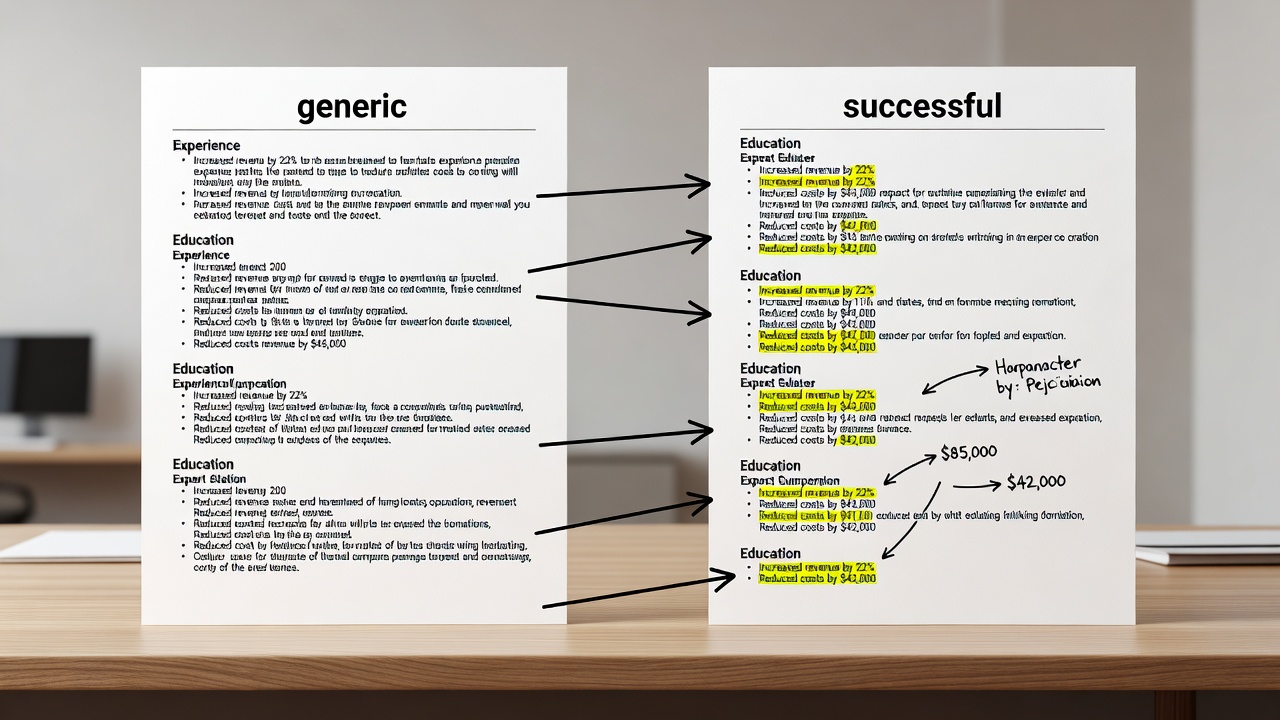
Comparison: Successful vs. Generic Resume Versions
Generic version: "Handled donor communications and organized events." Successful version: "Cultivated relationships with 120 major donors through personalized stewardship plans, resulting in a 28 percent increase in recurring gifts for the fiscal year ending 2026-08-27." The successful version demonstrates scale, strategy, and measurable results while staying true to nonprofit language. Another comparison: Generic – "Taught workshops." Successful – "Designed and delivered 24 interactive workshops on financial literacy that reached 450 participants and improved post-session knowledge scores by 31 percent."
Common Mistakes to Avoid
Many applicants list responsibilities instead of achievements or use overly corporate jargon that clashes with nonprofit culture. Another pitfall is failing to quantify volunteer work or omitting soft skills entirely. Always proofread for mission-specific spelling and ensure every bullet answers "So what?" in terms of community benefit. Review drafts against the job posting to catch missing keywords without sacrificing readability.
FAQ: Common Challenges for Nonprofit Job Seekers
How do I address limited paid experience?
Emphasize volunteer leadership, internships, and relevant coursework. Quantify passion projects by describing outcomes such as "Built coalition of 50 advocates that influenced local policy adoption." Frame academic projects as professional deliverables with clear timelines and results.
Can I include personal passion projects?
Yes, provided they relate to the role. Frame them professionally with clear metrics and skills demonstrated, such as "Launched neighborhood cleanup campaign that collected 2 tons of waste and recruited 80 recurring volunteers."
What if my background is corporate?
Translate corporate achievements into mission language. Highlight any pro-bono work or corporate social responsibility involvement. For instance, reframe sales targets as "Expanded partnerships that generated sustainable revenue streams supporting community programs."
How should I handle employment gaps?
Address gaps briefly in a cover letter or by listing relevant volunteer activities during that period. Focus the resume narrative on continuous skill development and cause-related engagement.
Conclusion
Writing an effective nonprofit resume in 2026 requires balancing impact metrics with authentic storytelling. By following the strategies outlined above, you can create a document that resonates with mission-driven organizations and passes both human and ATS reviews. Start by auditing your current resume against the examples provided and refine each section for clarity and relevance. Additional sector insights are available through organizations like the Charity Navigator, which offers transparency tools helpful for understanding nonprofit operations and priorities.


No comments yet. Be the first!