 Jobboy

Introduction to Phantom Stock in Private Companies
Phantom stock plans have become a cornerstone of executive compensation strategies for private firms seeking to attract top talent without diluting ownership. As companies navigate 2026 market conditions, understanding how to negotiate these arrangements effectively can significantly impact long-term financial outcomes. This playbook breaks down the key elements of phantom stock deals, including valuation approaches, tax considerations, and practical negotiation tactics tailored for private company environments. Phantom stock grants employees the economic benefits of stock ownership without actual equity transfer, making them particularly attractive for closely held businesses that want to maintain control while rewarding performance.
In today's competitive talent landscape, private companies increasingly turn to phantom stock and integrated profit-sharing plans to align employee incentives with business growth. These arrangements provide cash payments tied to company value appreciation, typically triggered by liquidity events, vesting milestones, or performance targets. Readers will discover step-by-step tactics for benchmarking offers, avoiding common pitfalls, and maximizing long-term incentives through real-world examples and comparison frameworks.
Understanding Phantom Stock and Profit-Sharing Fundamentals
Phantom stock differs from traditional equity by providing a contractual right to future cash payments based on company value appreciation rather than actual share issuance. Profit-sharing plans often integrate with these structures to align employee incentives with overall performance metrics such as revenue growth or EBITDA targets. In private firms, these plans help retain key personnel during growth phases without the complexities of issuing real shares or navigating securities regulations that apply to public companies.
The core appeal lies in flexibility. Unlike restricted stock units in public firms, phantom plans can be customized to include specific performance hurdles, change-of-control protections, and tailored payout formulas. This makes them suitable for startups, family businesses, and mid-sized private companies alike. When structured properly, they create a sense of ownership that drives engagement and reduces turnover among high-performing executives and remote team members.
Valuation Methods for 2026 Phantom Stock Deals
Accurate valuation forms the foundation of any phantom stock agreement. Common approaches include discounted cash flow analysis, comparable company multiples, and asset-based methods. Private companies frequently rely on independent appraisals to establish fair market value at grant and settlement dates. Negotiators should push for clear valuation triggers and dispute resolution mechanisms. For instance, specifying that valuations occur annually or upon material events prevents ambiguity during payouts and protects both parties from disputes.
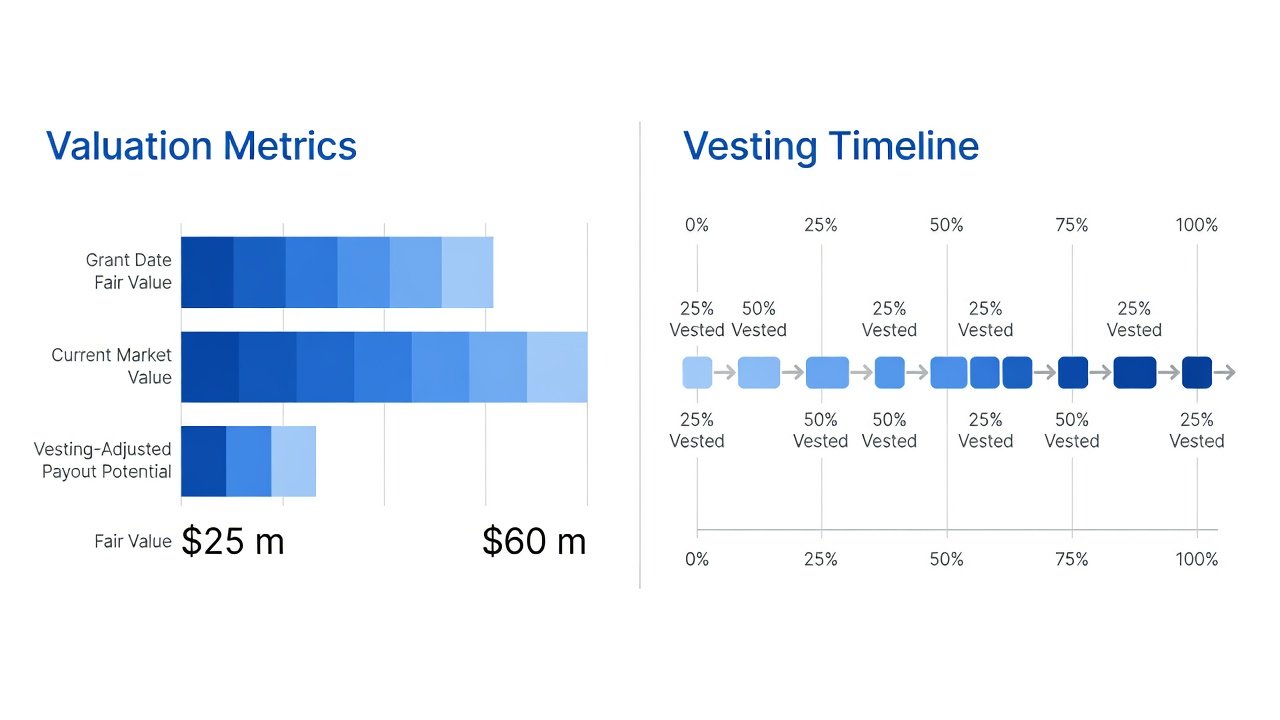
Consider a hypothetical mid-sized software firm in 2026 that grants phantom units valued at a 409A appraisal of $25 million enterprise value. If the company grows to $60 million by exit, the appreciation pool is distributed according to the plan formula. Detailed valuation clauses should also address adjustments for debt, working capital, and non-recurring items to ensure fairness.
Tax Implications and Compliance Strategies
Tax treatment represents one of the most critical negotiation points. Phantom stock payments are generally taxed as ordinary income upon receipt, unlike qualified stock options that may qualify for capital gains rates. IRS guidelines outline reporting requirements under Section 409A, which private companies must follow to avoid penalties. Employers and employees should coordinate on deferral elections and timing to optimize tax efficiency. Consulting tax professionals early ensures plans comply with current regulations and minimize unexpected liabilities.
Additional considerations include payroll tax withholding, state income tax variations, and potential alternative minimum tax exposure in certain jurisdictions. A well-drafted plan will specify whether payments are subject to FICA taxes at vesting or settlement and include gross-up provisions where appropriate. SEC resources also provide context on when phantom arrangements might trigger securities law considerations, helping negotiators avoid unintended compliance burdens.
Designing Effective Vesting Schedules
Vesting schedules balance retention goals with employee motivation. Standard structures include four-year vesting with a one-year cliff, though customized schedules can address specific business needs. Negotiators often advocate for accelerated vesting upon change of control to protect against acquisition scenarios. Performance-based vesting tied to revenue or profitability milestones adds another layer of alignment, ensuring payouts reflect genuine value creation rather than mere tenure.
- Time-based vesting tied to continued employment with clear acceleration clauses
- Performance-based milestones linked to annual revenue targets or EBITDA thresholds
- Hybrid models combining both elements for flexibility in dynamic markets
- Clawback provisions that allow recovery in cases of misconduct or restatements
Step-by-Step Tactics for Benchmarking Offers
Effective benchmarking starts with market data on similar roles and company sizes. Follow these steps to maximize incentives: Research industry compensation surveys from reputable sources. Compare total reward packages including base salary, bonuses, and phantom equity value. Model multiple exit scenarios to project potential payouts under optimistic, base, and conservative assumptions. Negotiate for anti-dilution protections, clear liquidity event definitions, and rights to participate in future plan amendments. Document all assumptions in writing to create transparency and reduce future conflicts.
Common Pitfalls and How to Avoid Them
Many negotiations falter due to vague plan documents or overlooked tax consequences. Avoid these issues by insisting on detailed agreements covering forfeiture conditions, payment timing, and dispute processes. Real examples show that companies with transparent communication experience higher employee satisfaction and retention rates. Another frequent mistake is failing to model tax impacts at both grant and settlement stages, which can erode expected net proceeds for recipients. Always include sample payout calculations in the plan appendix.
Phantom Stock vs Public Equity: Key Comparisons
| Aspect | Phantom Stock (Private) | Public Equity |
|---|---|---|
| Liquidity | Triggered by specific events | Immediate trading possible |
| Valuation | Appraisal-based | Market-driven |
| Tax Timing | At payout | At sale or vesting |
| Ownership Dilution | None | Possible |
| Customization | High | Limited by exchange rules |
Remote Equity and Executive Compensation Angles
With the continued rise of distributed teams, phantom stock plans offer a practical way to extend meaningful incentives to remote executives without the administrative burden of international equity grants. These arrangements can incorporate location-specific tax adjustments and currency considerations, making them more adaptable than traditional stock options in a global workforce.
FAQs on Exit Scenarios
What happens to phantom stock during a company sale? Most plans accelerate vesting or convert to cash based on deal terms, though specifics vary by agreement.
Can employees negotiate payout timing? Yes, deferral options can be structured if they comply with tax rules.
How do profit-sharing elements interact with phantom grants? They often supplement base phantom value through annual performance pools tied to company results.
What protections exist if the company fails to achieve liquidity? Strong plans include repurchase rights or extended vesting windows to address prolonged private status.
Conclusion
Negotiating phantom stock deals in 2026 requires a strategic approach focused on valuation clarity, tax optimization, and robust vesting terms. By applying the tactics outlined in this playbook, executives and private firm leaders can create incentive structures that drive alignment and reward long-term contributions effectively while navigating the unique challenges of private company environments.

No comments yet. Be the first!