 Jobboy
Introduction: Unlocking Remote Income in the 2026 Creator Economy
The creator economy continues to evolve rapidly, offering remote freelancers and digital nomads fresh opportunities to build diversified revenue streams. In 2026, success hinges on identifying niches that align with gig economy trends while minimizing competition. This comprehensive guide explores proven strategies for selecting niches, monetizing through newsletters, digital products, and affiliate programs, complete with platform comparisons, detailed entry tactics, real-world freelancer case studies, and pitfalls to avoid. By focusing on high-paying yet low-competition opportunities, freelancers can create sustainable income that supports location-independent lifestyles.
Criteria for Selecting High-Paying, Low-Competition Niches
Choosing the right niche requires balancing demand, personal expertise, and market gaps. Start by researching emerging trends such as AI integration in daily workflows, sustainable remote work practices, and specialized mental health support tailored for freelancers. Evaluate potential niches using factors like search volume data from reliable tools, audience willingness to invest in solutions, and your unique ability to deliver consistent, valuable content over time. Prioritize areas with growing interest from digital nomads but limited established creators, ensuring room for new voices to gain traction. Consider audience pain points such as regulatory changes in tech or eco-conscious travel planning, which often translate into premium pricing for expert advice. Test niches through small content experiments before full commitment to confirm engagement levels and revenue potential.
Top Emerging Niches for Remote Freelancers in 2026
Several niches demonstrate strong growth potential in the current landscape. AI ethics consulting attracts professionals and companies navigating evolving regulations around artificial intelligence deployment. Sustainable digital nomadism focuses on eco-friendly travel gear, carbon offset strategies, and low-impact location choices that appeal to environmentally aware freelancers. Freelancer burnout prevention integrates productivity systems with wellness routines, addressing the unique stresses of gig-based work. Additional opportunities include specialized content on remote team collaboration tools and niche-specific financial planning for irregular income streams. These areas draw paying audiences through targeted, solution-oriented content that solves immediate problems while building long-term loyalty.
Monetization Strategies: Newsletters, Digital Products, and Affiliates
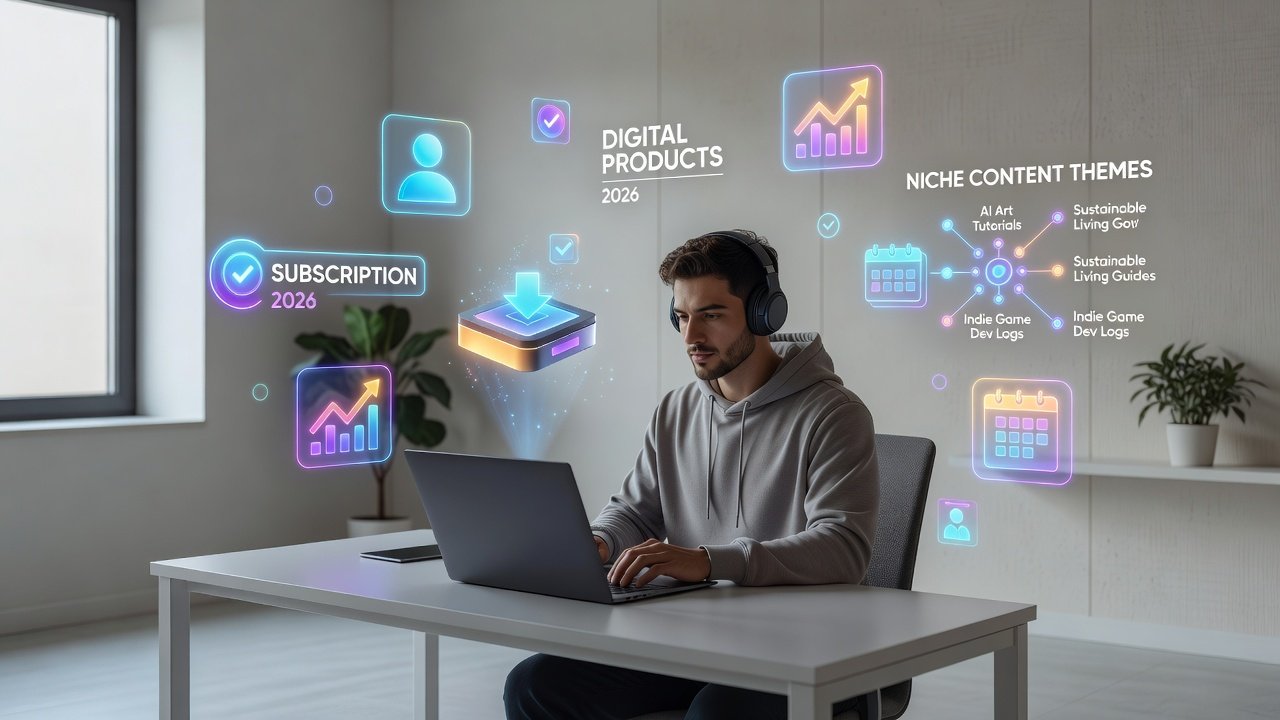
Newsletters generate recurring revenue through paid subscriptions and sponsored content from aligned brands. Digital products like templates, ebooks, and online courses deliver high-margin sales with minimal ongoing effort once created. Affiliate programs create passive income by recommending tools and services that match audience needs. Platform comparisons reveal distinct advantages: Substack excels in newsletter simplicity and built-in discovery features, while Patreon supports deeper community tiers and exclusive perks. For digital products, integrating with established storefronts allows seamless delivery and payment processing. Affiliate networks reward consistent, authentic promotion when recommendations directly address subscriber challenges. Combining these methods creates multiple income layers that reduce reliance on any single source.

Step-by-Step Entry Tactics for New Creators
Begin the process by validating your chosen niche through direct audience surveys and keyword analysis to confirm demand. Develop an initial content calendar that systematically addresses core pain points with actionable advice. Launch on one primary platform to establish a foundation before expanding to secondary channels for broader reach. Integrate monetization tools early, such as embedding product links and subscription prompts within newsletter issues. Track key performance metrics like open rates, conversion percentages, and engagement weekly, then refine offerings based on data insights. Expand by creating complementary digital products that solve specific subscriber problems identified through feedback. Collaborate with complementary creators in adjacent niches to cross-promote and accelerate audience growth. Maintain consistency by scheduling dedicated creation time blocks that fit a nomadic schedule.
Real Freelancer Case Studies and Practical Examples
One remote writer specializing in AI ethics built a newsletter that reached sustainable revenue within six months by publishing weekly in-depth analyses and hosting occasional live Q&A sessions. This approach attracted sponsorships from ethical tech organizations while growing a dedicated subscriber base. Another digital nomad developed a series of downloadable sustainable travel guides and bundled them with affiliate recommendations for eco-friendly gear, resulting in diversified income through both direct sales and commissions. A third freelancer focused on burnout prevention created a membership-style digital product suite including worksheets and video modules, using platform integrations to handle payments automatically. These examples demonstrate the value of authentic storytelling, iterative testing based on audience responses, and strategic platform use to scale efficiently.
Common Pitfalls to Avoid When Building Income Streams
- Overlooking audience feedback during the initial niche validation phase, which can lead to content that fails to resonate
- Spreading efforts across too many platforms too early, diluting focus and slowing momentum
- Ignoring legal guidelines for affiliate disclosures, potentially damaging trust and inviting regulatory issues
- Underpricing digital products without market testing, which undervalues expertise and limits profitability
- Failing to diversify income sources, leaving creators vulnerable to algorithm changes on single platforms
- Neglecting consistent content quality in favor of quantity, resulting in lower engagement over time
Tools and Integrations for Scaling Creator Businesses
Substack and Patreon integrations streamline subscription management, payment processing, and community engagement features. Combine these with analytics platforms to monitor engagement patterns and revenue sources in real time. Additional tools for content repurposing and email automation help maintain output without burnout. Successful creators often layer multiple integrations to create seamless funnels from free content to paid offerings.
FAQ: Scaling Your Creator Income Streams Effectively
How long does it take to see meaningful results from a new niche? Most dedicated freelancers report initial traction and first revenue within three to six months when maintaining consistent output and audience interaction.
Which monetization method works best for complete beginners? Starting with a newsletter allows audience building before layering in digital products and affiliate partnerships for additional revenue.
Are there risks associated with affiliate marketing in creator niches? Always provide clear disclosures for partnerships to maintain audience trust and comply with advertising regulations from bodies like the FTC.
Can creators successfully combine multiple niches over time? Yes, but establishing strength in one primary niche first creates a stronger foundation before expanding into related areas.
What role does consistency play in long-term scaling? Regular content delivery builds audience habits and algorithmic favor, directly supporting revenue growth across all monetization channels.
How important are platform integrations for remote freelancers? Integrations reduce administrative overhead, allowing more time for content creation and audience engagement regardless of location.
Conclusion
By strategically selecting emerging niches and implementing diversified monetization approaches, remote freelancers and digital nomads can build resilient income in the 2026 creator economy. Apply these detailed tactics methodically, learn from real examples, and avoid common mistakes to create sustainable revenue streams aligned with evolving gig economy opportunities.
No comments yet. Be the first!