 Jobboy
Introduction to 2026 Creator Economy Opportunities
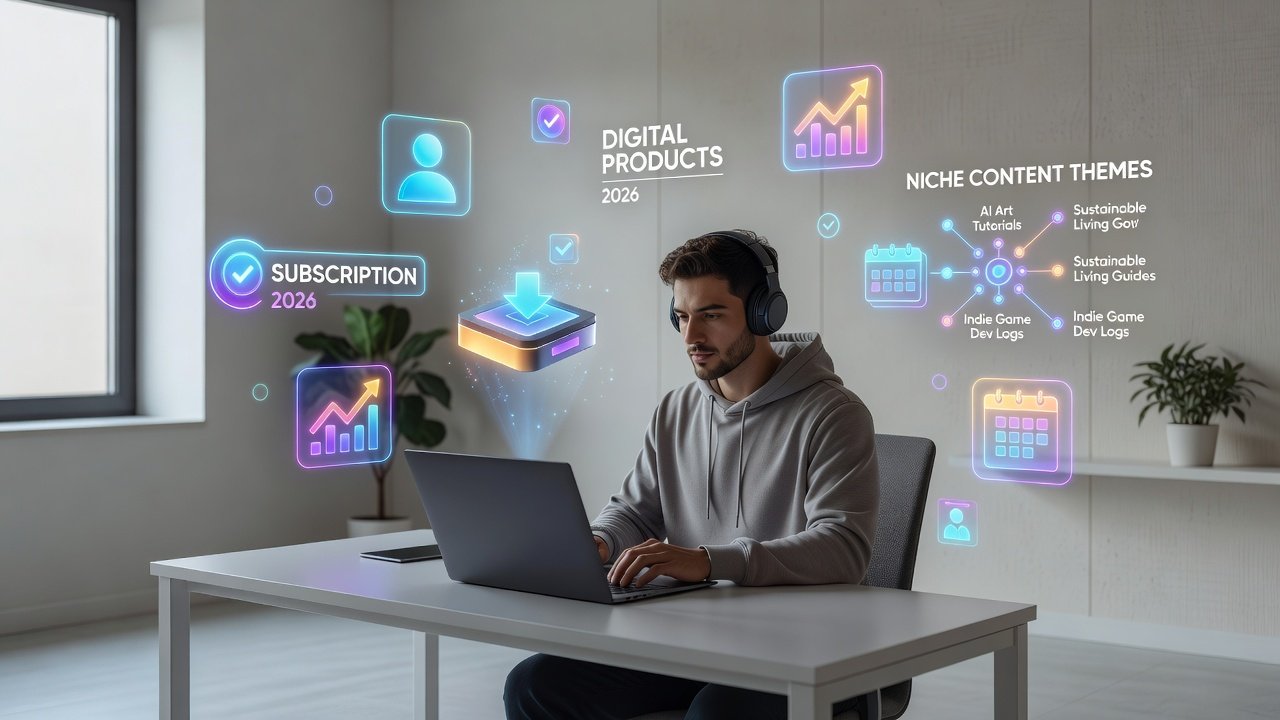
The creator economy continues to evolve rapidly, offering remote freelancers flexible paths to generate income through specialized content and digital offerings. In 2026, niches that blend emerging technologies, lifestyle shifts, and professional expertise stand out for quick monetization potential. Remote freelancers can leverage these trends without traditional office constraints, focusing on high-engagement topics that attract dedicated audiences seeking practical guidance on productivity, wellness, and career growth in distributed work environments.
Successful remote creators prioritize niches aligned with their skills while meeting audience demand for authentic, actionable insights. This comprehensive guide explores selection criteria, proven platforms such as Patreon and Substack, and step-by-step tactics to build sustainable revenue streams from digital products, memberships, and affiliate partnerships. By understanding audience pain points and delivering consistent value, freelancers can accelerate from zero to paid subscribers in targeted niches.
Key Criteria for Selecting Profitable Niches
Choosing the right niche requires evaluating market demand, personal expertise, and monetization speed. Remote freelancers should assess search volume trends, competition levels, and audience willingness to pay for premium content. Niches with recurring needs, such as skill development or wellness optimization, often yield faster results than broad topics because they solve specific, ongoing challenges for professionals navigating remote work.
- Alignment with your existing knowledge or experience to enable quick content creation without extensive research.
- Evidence of engaged communities on social platforms and forums where discussions are active and members seek solutions.
- Opportunities for digital products, subscriptions, or affiliate partnerships that allow multiple revenue layers.
- Low entry barriers for audience growth while allowing differentiation through unique angles, case examples, or data-backed advice.
- Scalability potential, including evergreen content that can be repurposed into courses or toolkits over time.
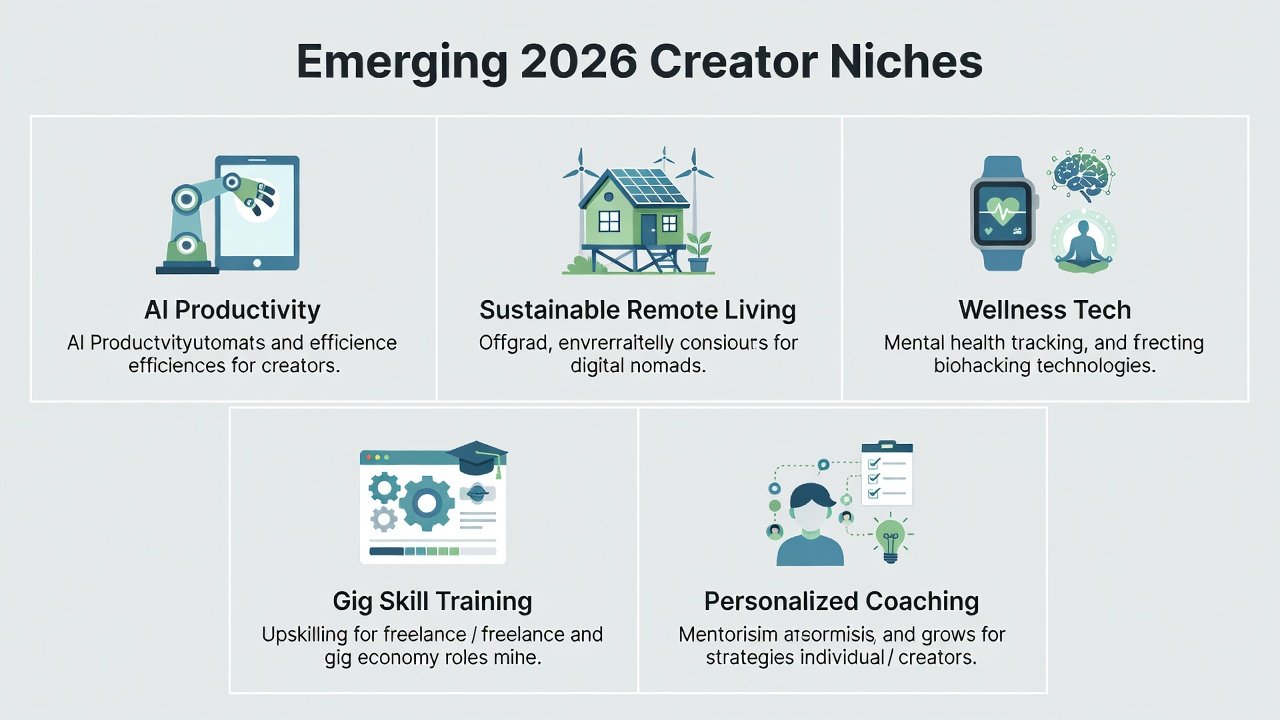
High-engagement niches in 2026 include AI-assisted productivity tools, sustainable remote living, personalized health tech, and niche skill upskilling for gig workers. These areas show consistent search interest and community activity, making them ideal for freelancers starting with limited time.
Emerging 2026 Niches for Remote Freelancers
Several niches demonstrate strong potential for rapid revenue when approached with focused content strategies. AI content curation for small businesses allows freelancers to create tutorials, prompt libraries, and workflow audits that solve immediate productivity challenges for solopreneurs and remote teams. Sustainable remote work setups attract audiences seeking eco-friendly home office solutions, energy-efficient tech recommendations, and digital nomad strategies that balance location independence with environmental responsibility.
Personalized wellness coaching through apps, newsletters, and short video series appeals to professionals managing burnout in hybrid roles. Niche skill training, such as advanced prompt engineering for non-technical users or freelance contract negotiation tactics, provides high-value content that converts well to paid offerings because it directly impacts earning potential. Each niche supports quick entry through free social content that funnels viewers toward paid tiers.
Platform Strategies: Patreon and Substack
Patreon enables tiered memberships where creators offer exclusive content, early access, and community features such as live Q&A sessions or private Discord channels. Remote freelancers can start with monthly newsletters, behind-the-scenes workflow breakdowns, or downloadable resources tailored to niche interests. This model rewards consistent delivery and fosters loyalty that translates into higher lifetime value per subscriber.
Substack excels for written content, allowing seamless subscription models with built-in audience discovery tools and newsletter forwarding features. Creators benefit from easy integration of paid and free tiers while retaining ownership of their email lists. Integrate both platforms by cross-promoting: use Substack for in-depth essays and research summaries, then direct engaged readers to Patreon for interactive sessions and custom templates. This dual approach diversifies income while building direct relationships with subscribers who value specialized expertise.
Monetization Through Digital Products and Affiliates
Digital products like customizable templates, self-paced courses, and downloadable e-books provide scalable revenue once an audience is established. These assets can be created once and sold repeatedly with minimal additional effort. Affiliate marketing complements this by recommending tools relevant to the niche, such as productivity software or wellness apps, earning commissions on referred sales through trusted recommendations. Combine both methods for multiple income streams that require minimal ongoing time investment after initial setup, allowing freelancers to focus on content creation and community engagement.
Practical Steps for Audience Building
Start with consistent content on free platforms like LinkedIn or X to attract initial followers by sharing niche-specific tips and personal experiences. Engage in niche communities and collaborate with similar creators for mutual growth through guest posts or joint webinars. Email list building through lead magnets, such as free prompt packs or checklist downloads, accelerates direct monetization by creating owned channels for announcements and offers. Track engagement metrics weekly to refine topics, posting frequency, and calls to action, ensuring steady growth toward sustainable income levels.
Case Studies of Successful Remote Freelancers
One remote productivity coach grew to six figures by focusing on AI tool reviews and launching a Substack newsletter that offered weekly workflow audits. She began with free LinkedIn posts, converted readers to subscribers through a simple lead magnet, and later introduced paid tiers with personalized audits. Another freelancer specializing in sustainable digital nomadism used Patreon to offer personalized consulting and curated resource packs, converting followers into loyal members within months by sharing detailed case examples of low-impact travel setups. A third example involves a contract negotiation expert who built an audience on X, then expanded to digital courses on Substack, achieving recurring revenue through affiliate partnerships with legal template providers.
Comparing High-Paying vs Low-Barrier Options
High-paying niches like advanced AI ethics consulting offer premium pricing but require deeper expertise and longer content development cycles. Low-barrier options such as beginner wellness tips allow faster entry and audience growth through relatable short-form content, though they may need volume-based strategies for comparable earnings. Evaluate your timeline and skill level to balance both approaches: start with accessible topics to build momentum, then layer in specialized offerings as credibility grows.
FAQs on Starting with Zero Followers and Scaling
How do I begin with no audience? Focus on repurposing existing expertise into valuable free content on multiple channels to seed interest organically, then use simple lead magnets to capture emails from day one.
What is the fastest way to scale income? Prioritize one platform for subscriptions while testing digital products based on audience feedback, iterating quickly on what resonates most.
Are there risks in niche selection? Overly saturated topics can slow growth, so differentiate with personal stories, original data insights, and consistent engagement to stand out.
How long until first revenue? Many freelancers see initial paid subscribers within 60-90 days when posting consistently and offering clear value through free content first.
Can I combine multiple niches later? Yes, once one stream stabilizes, expand into adjacent areas to create additional revenue layers without overwhelming your schedule.
Conclusion
Remote freelancers positioned in targeted 2026 creator economy niches can achieve quick monetization by combining strategic platform use with consistent audience engagement. Apply these tactics to transform specialized knowledge into reliable revenue streams that support location-independent careers.

No comments yet. Be the first!