 Jobboy

Introduction to 2026 Creator Economy Opportunities for Remote Freelancers
The creator economy continues to evolve rapidly in 2026, offering remote freelancers flexible paths to build sustainable income streams. High-demand niches such as niche newsletters, short-form video production, and community management allow independent professionals to leverage their skills without traditional employment constraints. This article explores proven frameworks for niche selection, detailed platform comparisons, and actionable monetization strategies including affiliate funnels and digital products. Remote freelancers benefit from low overhead and global reach, but success requires strategic audience building and diversified revenue. Real-world case studies demonstrate how individuals have scaled their earnings, while AI tools accelerate content repurposing to maintain consistency across time zones and schedules.
Many freelancers transition into creators by treating their expertise as a product. For instance, a graphic designer might start a newsletter on design trends for indie brands, while a video editor could focus on short-form tutorials. The key is identifying where demand meets personal strengths, allowing for scalable remote operations that fit around client work.
High-Demand 2026 Creator Niches Tailored for Freelancers
Three niches stand out for remote workers seeking monetization. Niche newsletters focus on specialized topics like sustainable tech or indie game development, delivering curated insights directly to inboxes. Short-form video creators produce platform-optimized clips for education or entertainment, often in under 60 seconds to capture attention on fast-scrolling feeds. Community management roles involve moderating and growing engaged groups on platforms like Discord or Slack for brands and creators, fostering loyalty through daily interactions.
These niches align well with freelance lifestyles because they emphasize expertise over location. Newsletters require writing and curation skills that can be done asynchronously. Short-form video taps into editing proficiency often developed through client projects. Community management draws on interpersonal abilities honed through remote collaboration tools like Zoom and Slack. Expanding further, niche newsletters can incorporate data visualizations from public sources, short-form video benefits from trending audio hooks, and community managers often integrate polls to boost engagement metrics.
Niche Selection Frameworks for Remote Freelancers
Choosing the right niche involves evaluating personal expertise, market demand, and monetization potential. Start by listing three to five areas of deep knowledge gained from freelance projects, such as past client industries or tools mastered. Then assess competition using free tools like Google Trends and social listening platforms to identify gaps. Finally, validate demand by testing short content pieces and measuring engagement rates over two weeks, adjusting based on comments and shares.
A practical framework includes scoring each niche on a 1-10 scale for passion, profitability, and audience accessibility. This prevents burnout while maximizing remote work advantages such as flexible hours for content creation. For example, a freelancer scoring high in both passion and demand might prioritize short-form video if they already have editing software. Incorporate competitor analysis by reviewing top creators in each niche for content gaps, and use surveys via free tools to ask potential audiences about pain points. This structured approach ensures the chosen niche supports long-term growth without requiring constant relocation or office presence.
Platform Comparisons: Patreon Versus Substack
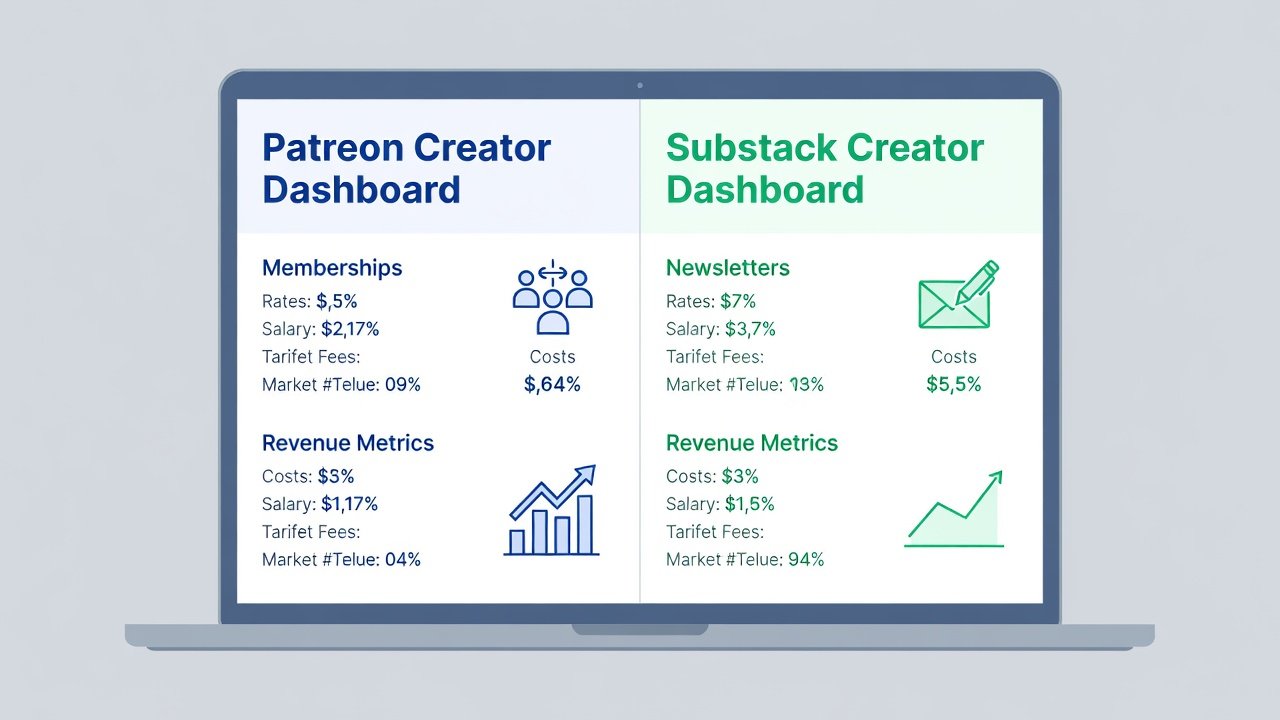
Selecting the right platform is critical for monetization. Patreon excels at tiered membership models with exclusive perks, making it ideal for community managers and video creators offering behind-the-scenes access or live sessions. Substack shines for newsletter-focused freelancers with built-in discovery tools and straightforward subscription billing that simplifies direct payments.
Key differences include Patreon’s emphasis on creative rewards versus Substack’s focus on writing distribution and email lists. Freelancers should test both through free trials, considering integration with existing workflows such as calendar tools for scheduling posts. Many combine platforms for broader reach, using Substack for lead generation and Patreon for deeper monetization. Additional considerations involve fee structures, analytics depth, and mobile app experiences that affect remote creators on the go.
Step-by-Step Monetization Tactics
Begin with affiliate funnels by recommending tools and services aligned with your niche, earning commissions through tracked links. For example, a short-form video creator might link to editing software in video descriptions, building a sequence from free tips to paid recommendations. Next, develop digital products such as templates, guides, or mini-courses sold directly to subscribers. Launch with a simple offer like a one-page checklist, then expand based on feedback into full bundles.
Combine these with membership tiers for recurring revenue. Track performance weekly using built-in analytics to refine approaches and ensure steady growth in the first quarter. Practical examples include creating an affiliate funnel that starts with a free newsletter signup, moves to a product recommendation email, and ends with a digital download upsell. Remote freelancers can automate much of this with email sequences, freeing time for client work while income compounds.
Real Case Studies of Scaled Income Streams
One remote freelancer specializing in niche newsletters grew from zero to thousands of subscribers by focusing on AI ethics, using consistent weekly sends and affiliate partnerships with productivity tools. Another video creator leveraged short-form content to build a community management service, scaling to multiple clients through repurposed clips that demonstrated moderation techniques. A third example involves a community manager who started with Discord groups for freelance writers and expanded into paid workshops, reaching six-figure potential through layered offerings.
These examples highlight the importance of starting small, iterating quickly, and maintaining authenticity to foster loyal audiences. Each case began with free content to build trust before introducing paid elements, a pattern that remote operators can replicate across time zones.
AI-Assisted Content Repurposing Examples
AI tools enable efficient repurposing: turn a long newsletter into multiple short-form video scripts or extract key points for social posts. Freelancers report saving hours weekly by using transcription and summarization features to maintain presence across channels without additional writing time. For instance, a single newsletter on sustainable design can become five video hooks, ten social captions, and a threaded discussion prompt for community channels.
Practical application involves feeding core content into AI platforms for variations, followed by human editing for tone consistency. This approach supports sustainable output in a remote setup where schedules vary. Advanced techniques include chaining tools for batch generation, such as summarizing interviews into newsletter sections then adapting those into video storyboards, ensuring cohesive branding while reducing repetitive tasks.
Audience-Building Timelines and Pricing Benchmarks
Expect initial growth in the first 30 days through consistent posting and cross-promotion on existing freelance networks. By day 60, focus on engagement tactics like polls and Q&A sessions to deepen connections. At 90 days, introduce paid offerings once trust is established, monitoring metrics such as open rates and comment volume for readiness signals.
Pricing should reflect value delivered and audience size, starting conservatively and adjusting based on conversion data. Research current benchmarks in your specific niche before setting rates, and consider testing with limited-time offers to gather insights. Remote freelancers often adjust pricing seasonally to align with client cycles.
Common Pitfalls to Avoid in the First 90 Days
- Overcommitting to multiple platforms simultaneously, leading to inconsistent quality and burnout; instead, master one channel first before expanding.
- Ignoring analytics and continuing ineffective strategies, which wastes time that could be spent on high-performing content formats.
- Underpricing offerings or neglecting legal disclaimers in promotions, potentially leading to compliance issues or undervalued perception.
- Failing to diversify beyond a single revenue source early on, leaving income vulnerable to algorithm changes or audience shifts.
Addressing these early prevents common setbacks and builds a resilient creator business adaptable to remote challenges.
Conclusion
Remote freelancers who strategically select 2026 creator niches, master platform nuances, and implement diversified monetization can achieve financial independence. Focus on consistent execution, leverage AI for efficiency, and learn from established case studies to accelerate success while avoiding early mistakes. With deliberate planning, these opportunities transform freelance skills into enduring revenue streams.
FAQ
What are the tax implications for solo creators in the gig economy?
Solo operators must track all income and expenses meticulously. Consult resources from the IRS for self-employment tax guidelines and quarterly estimated payments to remain compliant throughout the year.
Which tools help remote freelancers manage creator businesses?
Essential tools include email marketing platforms, analytics dashboards, and project management apps tailored for solo workflows. Start with free tiers and scale as revenue grows to maintain organization across multiple income streams.
How should freelancers handle content disclosures for affiliates?
Always include clear disclosures in posts and emails. Refer to guidelines from the FTC to ensure transparency and avoid regulatory issues while building trust with audiences.
No comments yet. Be the first!