 Jobboy
Introduction: Why Narrative Structures Matter in 2026 Job Markets
In today's competitive hiring landscape, basic cover letters no longer suffice. Recruiters and applicant tracking systems (ATS) scan thousands of applications weekly, favoring those that weave compelling stories while incorporating relevant keywords. Advanced narrative structures transform your cover letter from a list of qualifications into a persuasive journey that resonates emotionally and logically. As job markets evolve with increased automation, remote collaboration, and skills-based hiring, candidates must differentiate themselves through storytelling that highlights transformation and impact.
This approach builds on traditional storytelling by tailoring frameworks like the hero's journey and problem-solution-result arcs specifically for 2026 demands, including remote work trends and AI-driven screening. Whether you're a career changer pivoting industries or an executive seeking C-suite roles, these methods help you stand out authentically while remaining parseable by software. Research from sources like Bureau of Labor Statistics shows shifting occupational demands that reward narrative clarity in applications.
Hero's Journey Arcs for Cover Letters
The hero's journey, popularized in storytelling, maps your professional path as an adventure. Start with the ordinary world (your current role), move through the call to adventure (the job opening), face challenges, and end with transformation that benefits the employer. This framework creates emotional engagement while embedding keywords naturally.
Real 2026 Example for a Career Changer: A marketing professional transitioning to sustainability consulting might write: "In my ordinary world leading digital campaigns at a mid-sized firm, I faced the call to adventure when climate reports highlighted urgent corporate needs. Crossing the threshold into uncharted territory, I spearheaded a zero-waste initiative that reduced client emissions by 40 percent. Allies in cross-functional teams helped overcome internal resistance, culminating in a new equilibrium where I now guide organizations toward net-zero goals with data-driven strategies." This arc keeps content ATS-friendly by naturally including keywords like "sustainability consulting," "emissions reduction," and "net-zero goals."
Executive Example: For a VP of Operations moving into supply chain leadership: "My ordinary world involved optimizing manufacturing lines until global disruptions issued the call. Through trials of vendor negotiations and inventory overhauls, I emerged transformed, ready to deliver resilient systems that cut costs by 25 percent in volatile markets."
Problem-Solution-Result Storytelling Framework
This structure directly addresses employer pain points. Identify a problem the company faces, present your solution based on experience, and quantify the result. It excels in technical and leadership roles by focusing on value delivered.
- Problem: Highlight industry challenges using data from job postings or reports.
- Solution: Detail your unique approach with specific actions taken.
- Result: Share measurable outcomes with metrics and timelines.
2026 Executive Example: "Tech firms struggle with talent retention amid rapid AI shifts. My solution integrated personalized upskilling programs across departments, resulting in a 35 percent drop in turnover according to internal metrics tracked through late 2025. This approach not only stabilized teams but also accelerated project delivery by integrating emerging technologies seamlessly." Integrate keywords like "talent retention" and "AI upskilling" throughout.
ATS Compatibility in Narrative Cover Letters
Advanced narratives must remain ATS-friendly to pass initial screens. Use standard section headings, avoid tables or graphics, and repeat keywords from the job description in context. Limit special characters and ensure the story flows in plain paragraphs. Test your draft by copying text into free ATS simulators available on major job boards.
Incorporating Emotional Hooks While Staying ATS-Friendly
Emotional hooks create connection without sacrificing keyword density. Use vivid but professional language around passion or impact, such as describing the "excitement of solving complex client challenges." For ATS, front-load keywords in the first paragraph and use standard headings. Tip: Balance 60 percent keywords with 40 percent narrative flow. Tools like job descriptions from LinkedIn provide real-time terms to mirror.
Step-by-Step Template Breakdowns
Template 1: Hero's Journey Outline
1. Opening hook with role alignment (2-3 sentences).
2. Call to adventure tying to the target position.
3. Challenges faced and allies leveraged.
4. Climax with key achievements.
5. Return with forward-looking value proposition and call to action.
Template 2: Problem-Solution-Result
1. Company problem statement drawn from research.
2. Your tailored solution with actions and skills.
3. Quantified results including percentages and timeframes.
4. Forward-looking close that connects to company goals.
Always customize at least 30 percent of content per application for genuine personalization. Review the full job description and company website to align stories with their values.
Comparisons: Traditional vs. Narrative Formats
Traditional formats list skills chronologically and often feel generic, leading to lower engagement rates from hiring managers. Narrative versions boost response rates by creating memorable arcs, though they require more time to craft effectively. For ATS compatibility, both need strong keywords, but narratives embed them contextually for better human and machine resonance. 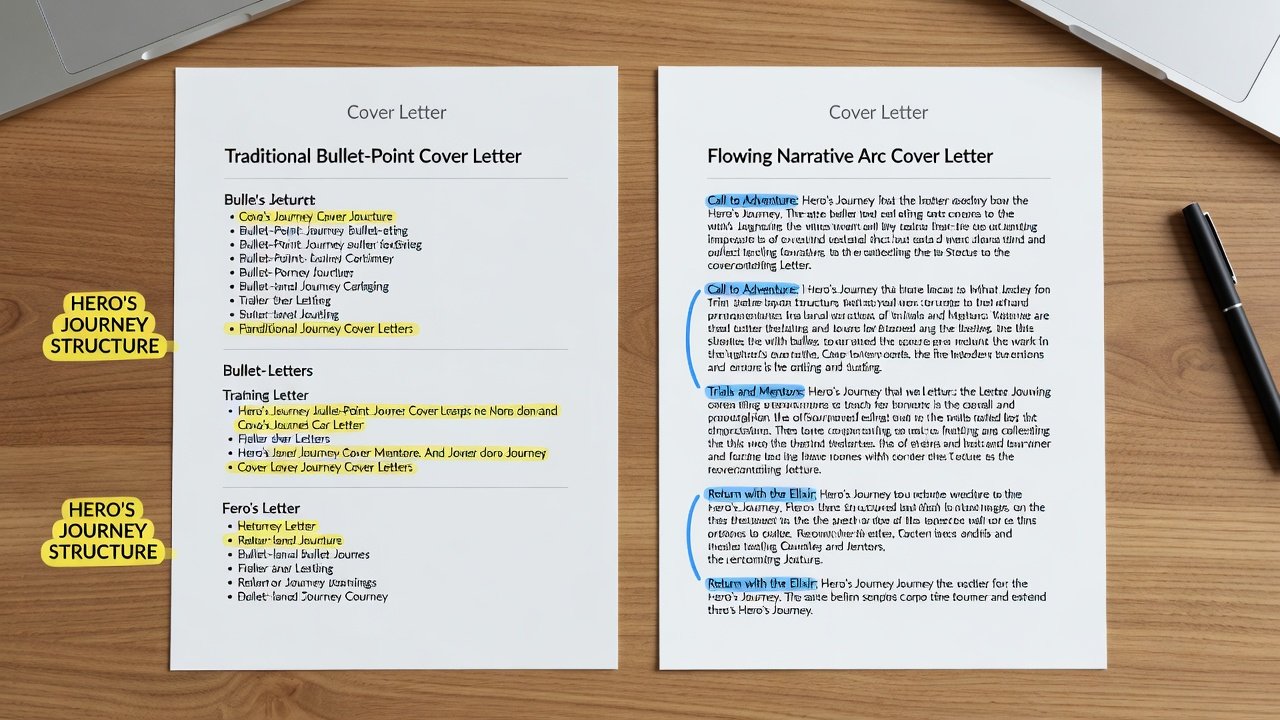
Key differences include: Traditional letters average 250 words with bullet-like lists; narrative ones reach 350 words with flowing paragraphs. Success metrics from recruiter feedback indicate narrative approaches increase interview invitations by emphasizing transformation over mere duties.
Keyword Integration Tips for 2026
Research target roles on Indeed and mirror phrases naturally within the story. Place primary keywords in opening and closing paragraphs. Secondary terms fit mid-story sections. Avoid stuffing—aim for 5-8 percent density. Update your language quarterly to match emerging skills like AI ethics or sustainable operations.
FAQ on Length and Personalization
How long should a narrative cover letter be? Keep it to 300-400 words for optimal readability while allowing full story arcs without overwhelming readers.
Can I personalize for multiple applications? Yes—swap the specific problem or result sections while retaining core narrative structure for efficiency.
Does storytelling work for technical roles? Absolutely, when results tie directly to metrics, tools, and methodologies mentioned in postings.
What if my story feels too long? Trim the ordinary world section and focus more on results to maintain momentum.
How do I handle gaps in employment within a narrative? Frame gaps as periods of growth or learning that prepared you for the new role, integrating them as part of the journey.
Conclusion: Elevate Your Applications Today
Implementing these advanced narrative structures positions you as a strategic thinker ready for 2026 opportunities. Experiment with the templates, refine with real examples from your career, and watch your interview callbacks rise. Start drafting one today using the frameworks above and iterate based on feedback from mentors or career coaches.
No comments yet. Be the first!