 Jobboy
Introduction to 2026 Resume Trends
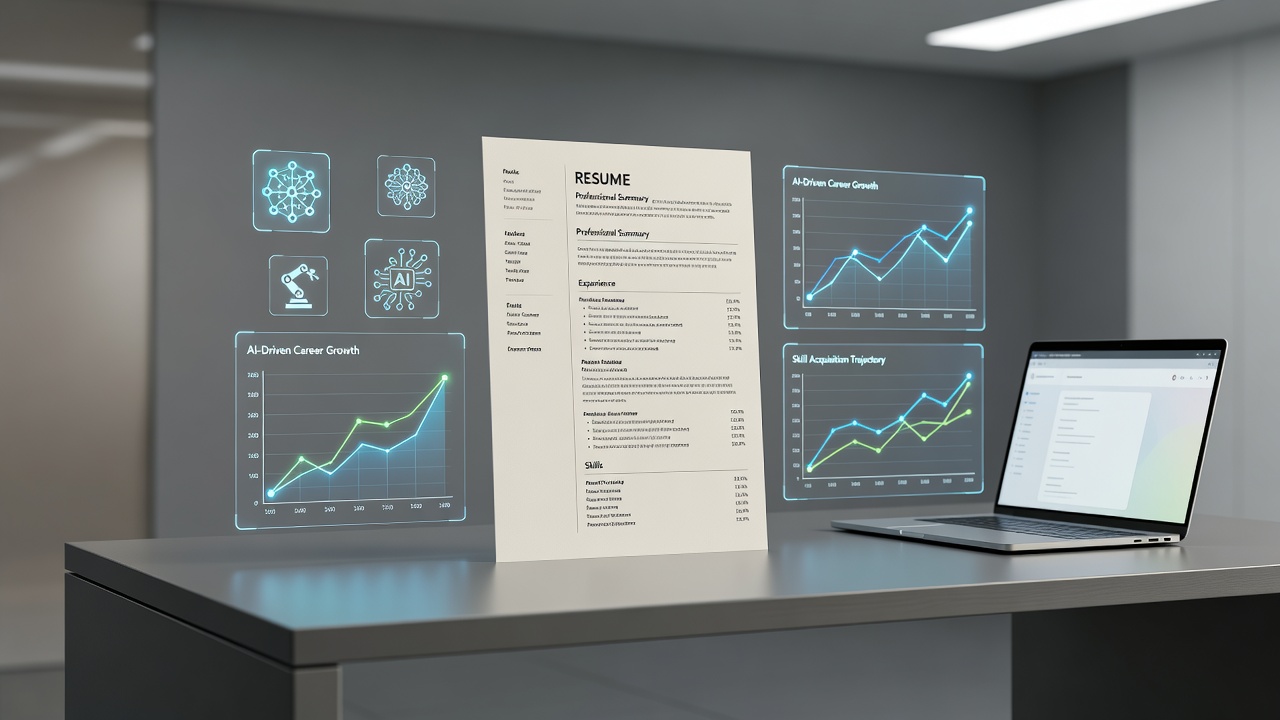
As hiring practices evolve rapidly with advances in technology and shifting workplace demands, resumes in 2026 must reflect new priorities that go far beyond traditional formats. Hiring managers and recruiters are increasingly focused on candidates who can demonstrate adaptability, ethical technology use, and versatile hybrid skills that blend technical expertise with human-centered abilities. This comprehensive guide explores these emerging trends in depth, providing actionable strategies, detailed examples, and implementation steps to help job seekers remain competitive in a dynamic job market. Understanding these shifts is essential for anyone looking to update their application materials and stand out during the hiring process.
Updated Section Priorities for Modern Resumes
Traditional resumes often began with a generic objective statement that focused on what the candidate wanted from the role. In 2026, however, the emphasis has shifted toward a compelling professional summary that immediately highlights quantifiable achievements, forward-looking traits, and evidence of adaptability. Skills sections have grown to encompass both technical proficiencies and interpersonal competencies, while experience entries now prioritize measurable results and contextual stories over simple duty lists. Education details typically appear lower on the page unless the candidate is a recent graduate or holds highly specialized credentials.
Key Changes in Structure
- Lead with a dynamic summary that incorporates specific metrics such as project turnaround improvements or team performance growth percentages.
- Integrate an adaptability subsection within the experience area to illustrate how previous roles evolved in response to market or technological changes.
- Relocate the education section further down the document unless it directly supports the target position with recent or niche qualifications.
- Incorporate a brief section on technology ethics when relevant to showcase responsible innovation practices.
Emphasis on Adaptability Metrics
Hiring managers today place high value on evidence of quick learning, resilience, and the ability to thrive amid uncertainty. Rather than vague claims, resumes should include concrete metrics such as "Redesigned team workflows during organizational restructuring, resulting in a 25% increase in project completion rates." These details provide tangible proof of flexibility that resonates in fast-paced industries. To develop these metrics effectively, review past roles for instances where you pivoted strategies, adopted new tools, or supported team transitions. Quantify outcomes wherever possible to strengthen impact and align with what recruiters seek in 2026 applications.
Ethical AI Disclosures in Applications
With AI tools now commonplace in professional settings, transparency around their use has become a key differentiator. Candidates are encouraged to disclose ethical AI assistance in resume preparation or task automation, for instance by noting: "Leveraged AI platforms for preliminary research and data synthesis while maintaining full human accountability for strategic decisions and final outputs." Such statements foster trust and demonstrate awareness of responsible technology practices. For more guidance on professional transparency standards, refer to resources from LinkedIn and SHRM. This approach helps applicants differentiate themselves positively without overstating capabilities.
Hybrid Skill Showcases
Effective 2026 resumes integrate hard and soft skills through contextual examples rather than isolated lists. Instead of separating "project management" as a standalone item, embed it within achievements like "Directed cross-functional hybrid teams using collaborative platforms to deliver initiatives ahead of schedule while improving stakeholder satisfaction scores." This method illustrates real application and relevance. Consider creating a dedicated hybrid skills narrative paragraph that weaves together technical tools with leadership or communication outcomes for added depth.
Visual Element Guidelines
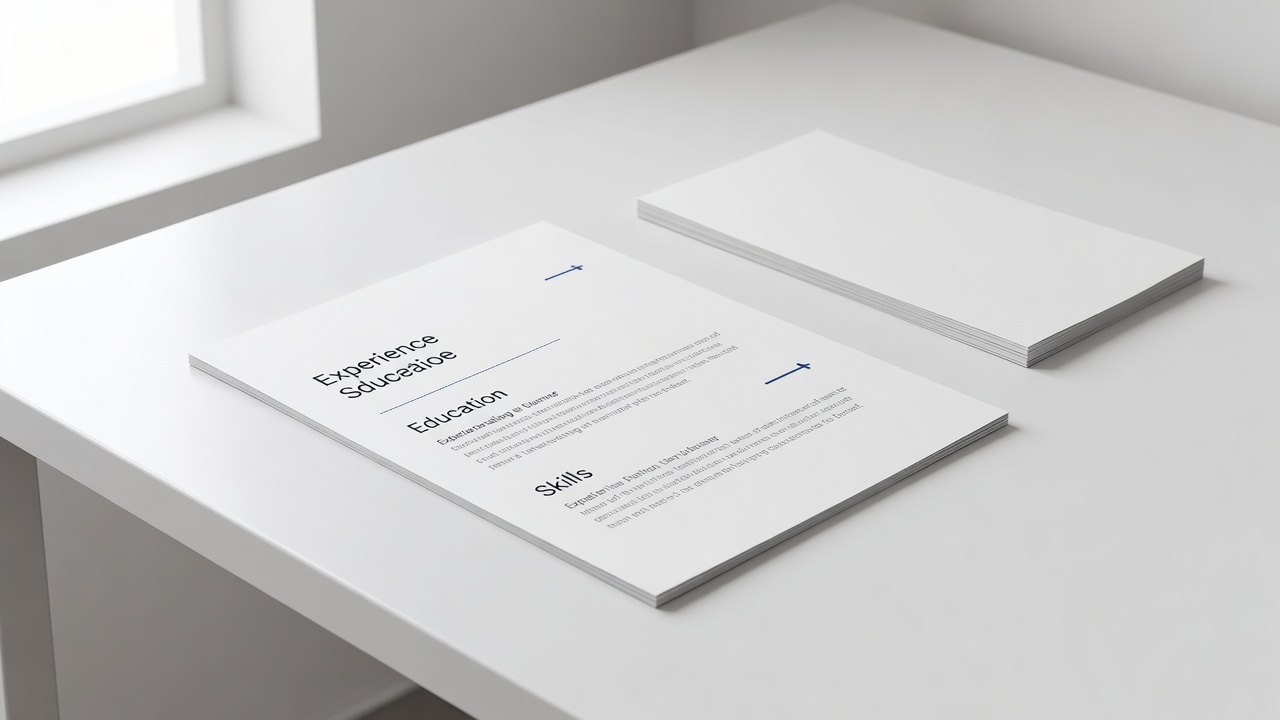
Design choices should prioritize clean, ATS-compatible layouts that balance professionalism with subtle visual interest. Employ consistent fonts, minimal color accents for section headers, and generous white space to enhance readability. Steer clear of complex graphics, multi-column tables, or embedded images that could interfere with applicant tracking systems. 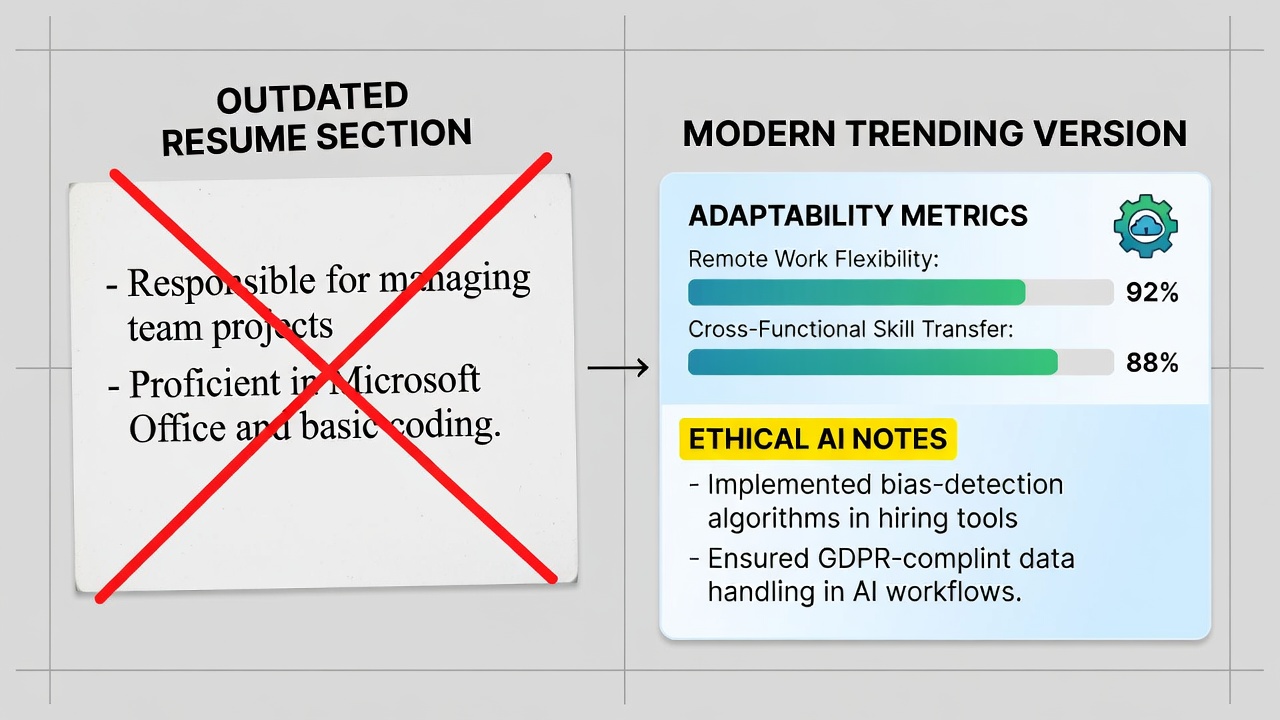
Cover Letter Synergies
Strong cover letters complement resumes by expanding on two or three key adaptability narratives mentioned briefly in the resume. This creates a unified story that reinforces core messages. For example, if the resume highlights a successful remote transition, the cover letter can detail the specific challenges overcome and lessons learned. Align language and themes across both documents to present a cohesive professional profile that hiring teams can easily follow.
Practical Steps for Implementation
- Conduct a thorough audit of your existing resume, identifying at least four adaptability examples with supporting metrics and noting any AI tool usage that requires disclosure.
- Revise the professional summary to lead with results-oriented language and forward-looking statements about your capacity for growth.
- Integrate ethical AI statements into a skills or technology section when appropriate, ensuring they remain concise and authentic.
- Optimize formatting for both human readers and ATS software by testing with multiple online simulators and adjusting as needed.
- Seek targeted feedback from mentors, peers in your industry, or professional career services to refine content before submission.
- Update your LinkedIn profile in parallel to maintain consistency across all professional touchpoints.
Real-World Before-and-After Examples
Before: A bullet-point list stating "Managed team projects and handled client communications." After: "Orchestrated hybrid team projects through adaptive planning tools during supply chain disruptions, achieving 18% faster delivery times and elevated client retention through proactive ethical AI-supported forecasting." Another transformation might involve changing a static skills list into embedded achievements that show both technical mastery and collaborative impact, making the resume far more compelling to 2026 hiring managers.
Common Mistakes to Avoid
Many applicants still rely on outdated formats that fail to address current expectations. Avoid generic objective statements, unquantified responsibilities, and undisclosed AI reliance. Overly decorative designs or keyword stuffing can also reduce effectiveness. Instead, focus on authenticity, measurable contributions, and clear narratives that highlight growth potential.
Adapting for Different Experience Levels
Entry-level candidates can emphasize academic projects, internships, and volunteer work with adaptability metrics. Mid-career professionals should spotlight career pivots and technology integrations. Senior leaders benefit from demonstrating strategic foresight and ethical oversight in large-scale initiatives. Tailoring content to your stage ensures relevance across diverse applicant pools.
Comparison Table: Outdated vs Trending Elements
| Outdated Element | Trending Approach |
|---|---|
| Objective statement | Results-focused professional summary |
| Duty-based experience | Metric-driven achievements with adaptability notes |
| Separate skills list | Integrated hybrid skill examples |
| No tech disclosures | Ethical AI usage statements |
| Static formatting | Clean, ATS-optimized visuals with subtle accents |
Conclusion
Embracing these 2026 resume trends enables candidates to present themselves as forward-thinking professionals ready for evolving workplaces. By prioritizing adaptability, ethical transparency, and integrated skills, job seekers can create materials that resonate strongly with hiring managers and improve overall application success.
FAQ
How should entry-level candidates adapt these trends?
Focus on academic, internship, and volunteer experiences, translating them into adaptability metrics and hybrid skill demonstrations with clear outcomes.
Is AI disclosure mandatory for all applications?
While not universally mandated by law, it is increasingly viewed as a best practice that signals professionalism and responsibility.
Can visual elements hurt ATS compatibility?
Yes, excessive graphics or complex layouts often reduce parsing accuracy. Simple, tested formatting remains the safest approach for broad compatibility.
What resources help verify current resume best practices?
Consult authoritative sites such as BLS for labor market insights and LinkedIn for industry-specific guidance on emerging hiring expectations.
No comments yet. Be the first!