 Jobboy
Introduction: The Evolving Role of References in Modern Hiring
Hiring trends continue to shift in 2026, with recruiters placing greater emphasis on verified experience, cultural fit, and authentic endorsements from previous employers. The question of whether to include references directly on a resume remains a frequent point of debate among job seekers. Understanding current conventions helps candidates present a polished, professional document that aligns with both human readers and applicant tracking systems (ATS). In an era where remote interviews and digital applications dominate, references serve as a critical final validation step that can differentiate strong candidates from the competition.
This comprehensive guide explores when to list references, how to format them correctly for maximum impact, and strategies to avoid common mistakes while keeping your resume concise and one page. We will also examine industry-specific nuances and provide actionable checklists to boost application success rates.
References Section vs. “Available Upon Request”
Many applicants still default to the phrase “References available upon request” at the bottom of their resume. However, modern practice in 2026 favors either omitting the line entirely or providing a dedicated references section on a separate page. Recruiters often expect to request references later in the process, making the phrase redundant and space-consuming on a one-page resume. Including it can signal outdated knowledge of hiring norms and wastes valuable real estate that could highlight achievements or skills instead.
Leading career platforms recommend removing the statement to create a cleaner document. Instead, prepare a separate references document that you can submit quickly when asked. This approach respects the hiring manager’s time and demonstrates professionalism. In competitive fields, having references ready signals preparedness and confidence in your professional network.
ATS-Friendly Formatting Guidelines
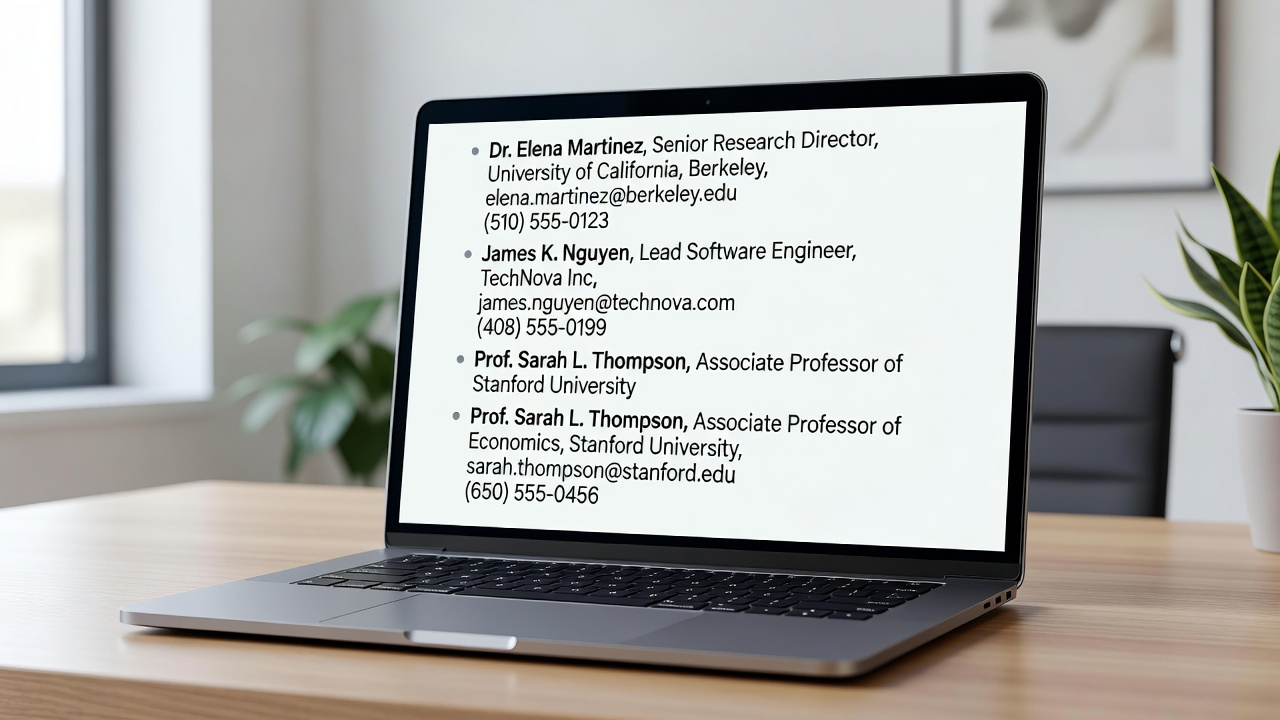
Applicant tracking systems parse resumes using specific patterns and keywords. To ensure compatibility and avoid rejection before a human sees your application, follow these detailed guidelines: use standard section headings such as “Professional References,” avoid tables, columns, or graphics for the references area, include name, job title, company, phone number, and email in a clean list format, and keep font consistent with the rest of the resume using Arial, Calibri, or Garamond at 10–12 pt. Never use headers, footers, or text boxes for reference details because ATS software may skip them entirely.
Placing references on a second page remains the safest approach for ATS compatibility while maintaining a clean primary resume. Always test your formatted document by copying and pasting the text into a plain text editor to verify that all information remains readable and properly ordered.
Selecting and Preparing Strong References
Choose individuals who can speak specifically to your recent work, accomplishments, and work ethic. Ideal references include former managers, direct supervisors, or senior colleagues who have observed your performance firsthand. Always obtain explicit permission before listing anyone and provide them with your updated resume and the job description ahead of time. A strong reference should be able to discuss quantifiable achievements and provide concrete examples of your contributions.
Best practice includes sending a polite confirmation email that outlines the role and key points you hope they will highlight. Offer to schedule a brief call to refresh their memory on projects you worked on together. This preparation ensures their endorsement feels current and relevant rather than generic.
Industry-Specific Examples
Tech Roles
In technology positions, references from engineering managers or product leads carry significant weight. Include their LinkedIn profiles when possible and note specific projects they oversaw, such as successful product launches or system migrations. Tech recruiters often value references who can discuss technical problem-solving and collaboration within agile teams.
Creative Roles
Creative professionals benefit from references who can discuss portfolio work and client outcomes. Art directors or creative leads at previous agencies make strong choices because they can speak to design quality, deadline management, and creative vision. Provide your references with links to your portfolio so they can reference specific campaigns during calls.
Corporate Roles
Corporate environments value references from department heads who can confirm leadership, compliance, and cross-functional collaboration skills. These references should be prepared to discuss metrics such as team performance improvements or successful project deliveries that align with the target company’s goals.
Step-by-Step Process for Adding References
- Identify three to four strong contacts and confirm their willingness via email or phone call at least two weeks before you begin applying.
- Create a separate references document with consistent branding, including your name and contact information at the top in the same style as your resume.
- Format each entry with name, title, company, relationship to you, phone number, and professional email address, using consistent spacing and bullet points.
- Submit the references page only when requested during the interview process, typically after the second round or when a verbal offer is extended.
- Follow up with your references after interviews to keep them informed and express gratitude for their support.
Indeed and other major job platforms provide additional templates that align with these steps for seamless integration into your application materials.
Common Pitfalls to Avoid
- Listing outdated or unverified contact information that could lead to missed calls or awkward follow-ups.
- Including personal references such as family members or friends instead of professional contacts who can speak to workplace performance.
- Overloading the resume or references page with more than four references, which can dilute focus and appear unprofessional.
- Failing to notify references before they receive a call, potentially catching them unprepared and resulting in lukewarm endorsements.
- Using generic titles or vague relationship descriptions that fail to convey the depth of your working relationship.
Practical Checklist for Reference Success
- References have agreed to be contacted and understand the types of roles you are targeting.
- Contact details are current and verified as of July 2026.
- Document matches resume formatting, fonts, and overall branding exactly.
- References are relevant to the target role and industry.
- Separate page is ready for submission within minutes of a request.
- You have sent thank-you notes to references after each use.
Maintaining Your Reference Network Long-Term
Building and sustaining relationships with references extends beyond a single job search. Send occasional updates about your career progress, share relevant industry articles, or offer to provide reciprocal endorsements on professional platforms. This ongoing engagement ensures your references remain enthusiastic and well-informed when future opportunities arise. Strong networks often lead to unexpected referrals and faster hiring processes in subsequent job transitions.
Frequently Asked Questions
How many references should I provide?
Three to four is standard unless the employer specifically requests more. Quality always outweighs quantity when selecting endorsers.
Where should references appear on my resume?
They should not appear on the main resume at all. Use a separate, well-formatted page that matches your resume style when the employer requests it.
Does length matter for the references page?
Keep the references page to one page, mirroring the clean, concise style of your primary resume to respect the reader’s time.
Can I use references from freelance or contract work?
Yes, as long as the client or project manager can speak credibly to your deliverables, professionalism, and results achieved during the engagement.
LinkedIn offers excellent tools for managing and requesting professional endorsements that complement traditional references.
Conclusion
Effective reference management in 2026 centers on preparation, permission, and strategic presentation. By following ATS-friendly formatting, selecting relevant contacts, and maintaining a separate references document, candidates increase their chances of moving smoothly through each stage of the hiring process. Stay proactive, keep your references informed, and tailor your approach to the specific industry and role for the greatest impact. A well-prepared reference strategy can be the final element that turns a promising application into a job offer.
No comments yet. Be the first!