 Jobboy

2027 Emerging Remote Work Trends Every Freelancer Must Watch
The freelance and remote work ecosystem continues to transform at an accelerating pace, shaped by advances in artificial intelligence, blockchain technology, and shifting global regulations. Freelancers and digital nomads who want to future-proof their careers must understand the five pivotal trends expected to dominate in 2027. These changes go beyond surface-level hype and offer concrete opportunities for those willing to adapt proactively. This comprehensive guide examines each trend in depth, provides real-world examples from early adopters, compares legacy and emerging tools, and delivers actionable preparation steps to build lasting resilience in the evolving gig economy.
AI-Augmented Client Matching
Artificial intelligence is set to redefine how freelancers discover and secure clients by moving far beyond simple keyword searches. In 2027, sophisticated algorithms will evaluate not only skills and experience but also work style compatibility, project success patterns, and even soft skills inferred from past deliverables. Early platforms have begun testing these systems with promising results, helping freelancers reduce time spent on proposals while increasing win rates. To prepare, freelancers should audit their online profiles to ensure comprehensive skill tagging, detailed case studies, and performance metrics that AI systems can easily parse. Maintaining up-to-date portfolios with quantifiable outcomes will become essential for visibility in AI-driven recommendations.
Decentralized Freelance Marketplaces
Blockchain technology will power decentralized marketplaces that minimize intermediary fees and enhance payment security through smart contracts. This shift promises greater transparency and direct client relationships, appealing especially to international freelancers facing high platform cuts. Discussions at global forums have highlighted the potential for these models to democratize access to work across borders. Practical preparation involves learning the basics of cryptocurrency wallets and testing smaller decentralized platforms to understand transaction processes. Freelancers should also familiarize themselves with dispute resolution mechanisms unique to blockchain environments to avoid common pitfalls during the transition.
The Rise of Micro-Task Platforms
Specialized micro-task platforms will gain traction by breaking complex projects into bite-sized assignments that can be completed quickly and monetized efficiently. This trend supports income diversification and allows freelancers to fill downtime with high-value short tasks. Early adopters in fields like graphic design and content creation already report steady supplementary earnings from these platforms. To capitalize, freelancers should develop the habit of modularizing their services into discrete deliverables that fit micro-task formats while still protecting overall project quality and client relationships.
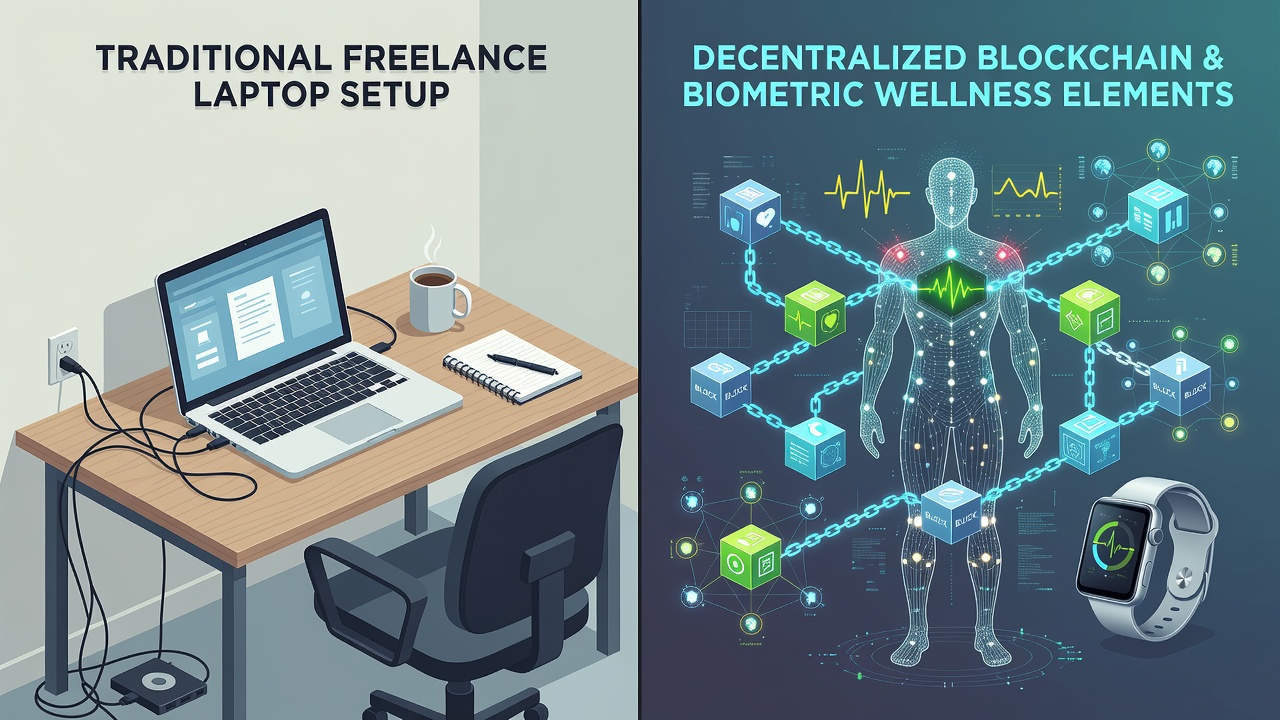
Biometric Wellness Integrations for Home Offices
Smart biometric devices will integrate deeply with home office setups to monitor posture, stress levels, eye strain, and overall productivity in real time. These systems will provide personalized recommendations to prevent burnout, a growing concern among remote workers. Pioneering freelancers using early wellness technology have shared positive outcomes, including improved focus and reduced physical discomfort during long work sessions. Preparation steps include researching compatible ergonomic equipment and understanding data privacy controls so that sensitive health information remains protected. Incorporating short daily wellness routines supported by these tools can create a sustainable work rhythm for years to come.
Regulatory Changes Affecting Cross-Border Work
Governments worldwide are updating tax, data privacy, and labor regulations that directly impact freelancers working across borders. New compliance requirements may affect invoicing, data storage, and even eligibility for certain digital nomad visas. Authoritative guidance from organizations tracking these developments helps freelancers stay informed. The recommended approach is to schedule annual consultations with tax professionals who specialize in remote work and to maintain organized records of all international transactions. Staying proactive reduces the risk of unexpected penalties and ensures continued access to global opportunities.
Old vs New Tools Comparison
Understanding the shift from legacy tools to next-generation platforms is critical for efficient adaptation. The following table highlights key differences across several dimensions that freelancers will encounter in 2027.
| Aspect | Traditional Tools (Pre-2027) | Emerging Tools (2027+) |
|---|---|---|
| Client Matching | Manual searches on job boards | AI-driven predictive matching |
| Payments | Centralized platforms with high fees | Decentralized smart contracts |
| Task Management | Basic to-do apps | Micro-task specialized platforms |
| Wellness | Manual tracking apps | Biometric real-time integrations |
| Compliance Support | Generic tax software | Automated regulatory alerts |
Practical Next Steps for Freelancers
Building resilience requires deliberate, phased action rather than reactive changes. Consider implementing the following steps over the coming months:
- Conduct a full audit of all professional profiles and portfolios to optimize them for AI readability.
- Allocate time each month to experiment with at least one decentralized or micro-task platform.
- Invest in ergonomic and biometric-compatible equipment while learning basic privacy settings.
- Establish relationships with tax advisors experienced in cross-border freelance work.
- Develop modular service offerings that can be offered as both full projects and micro-tasks.
- Join reputable online communities where early adopters discuss real implementation challenges and solutions.
FAQ
How soon should I start adapting to these trends?
Begin testing tools and updating profiles in late 2026 to avoid last-minute pressure. Focus on one trend per quarter to maintain steady progress without overwhelm.
Will these changes replace traditional freelancing entirely?
No. The new tools and platforms will expand options rather than eliminate established methods, allowing most freelancers to blend old and new approaches successfully.
What if I lack technical skills for new platforms?
Many emerging platforms prioritize intuitive design. Free educational resources from organizations such as the OECD can quickly build necessary knowledge through short courses and guides.
Are there risks with biometric data?
Yes. Always review privacy policies carefully and choose platforms with transparent data handling practices to protect sensitive personal information.
How will regulatory changes affect my taxes?
Expect more detailed reporting requirements for international income. Consulting specialists early and keeping meticulous records will minimize compliance burdens.
Conclusion
Freelancers who approach 2027 with informed preparation will find these emerging trends create new avenues for growth rather than obstacles. By focusing on practical adaptation steps, maintaining compliance awareness, and embracing selective technology upgrades, you can build a resilient career that thrives amid ongoing change in the remote work landscape.


No comments yet. Be the first!