 Jobboy
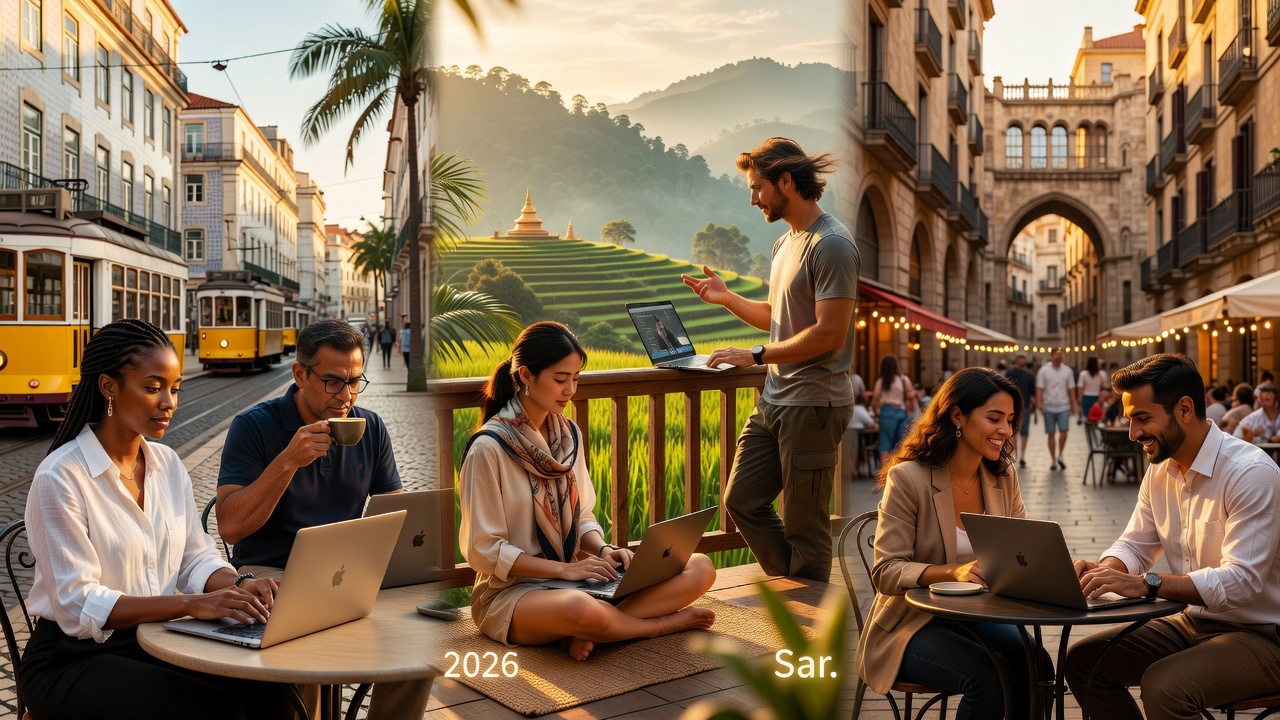
Introduction: Why Remote Freelancers Are Relocating in 2026
The rise of location-independent work has empowered freelancers to explore international moves. In 2026, many digital nomads are choosing relocation not just for adventure but for optimized living costs, better quality of life, and access to supportive visa programs. This article examines real-world 2026 case studies, offering actionable blueprints for aspiring nomads focused on practical outcomes rather than vague inspiration. Aspiring digital nomads often search for concrete decision frameworks, and these stories deliver exactly that by breaking down each step from initial research to post-move evaluation.
Visa Navigation Strategies for Freelancers
Securing the right visa remains a critical first step. Successful freelancers research digital nomad visas or freelance permits early, often targeting countries with streamlined applications for remote workers. Official resources like travel.state.gov provide guidance on U.S. citizen options abroad, while similar government portals help with destination-specific requirements. Key considerations include proof of income thresholds, health insurance mandates, and renewal processes. Many freelancers start with short-term exploratory visits on tourist visas before committing to longer stays, but they always verify work permissions to avoid legal complications. Processing times can vary from weeks to several months, so early preparation is essential for a smooth transition in 2026.
Cost-of-Living Comparisons and Decision Frameworks
Before moving, freelancers compare expenses across housing, food, transport, and healthcare. Those who succeed use detailed spreadsheets factoring in currency fluctuations and seasonal changes. Qualitative shifts, such as moving from high-cost urban centers to mid-tier international cities, frequently improve savings rates without sacrificing amenities. Practical tools include tracking categories like rent versus utilities and testing assumptions through short-term rentals. Freelancers also factor in taxes and banking fees when evaluating net income retention after relocation. This methodical approach prevents surprises and allows for realistic budgeting that supports sustained freelance careers.
Workspace Setup Tips for New Locations
Productive remote work depends on reliable internet and ergonomic environments. Top freelancers prioritize co-working spaces with high-speed connections and invest in portable setups including noise-cancelling headphones and standing desks. Testing multiple locations during scouting trips helps identify the best fit. Additional tips involve securing backup power solutions and understanding local internet providers' reliability during peak hours. 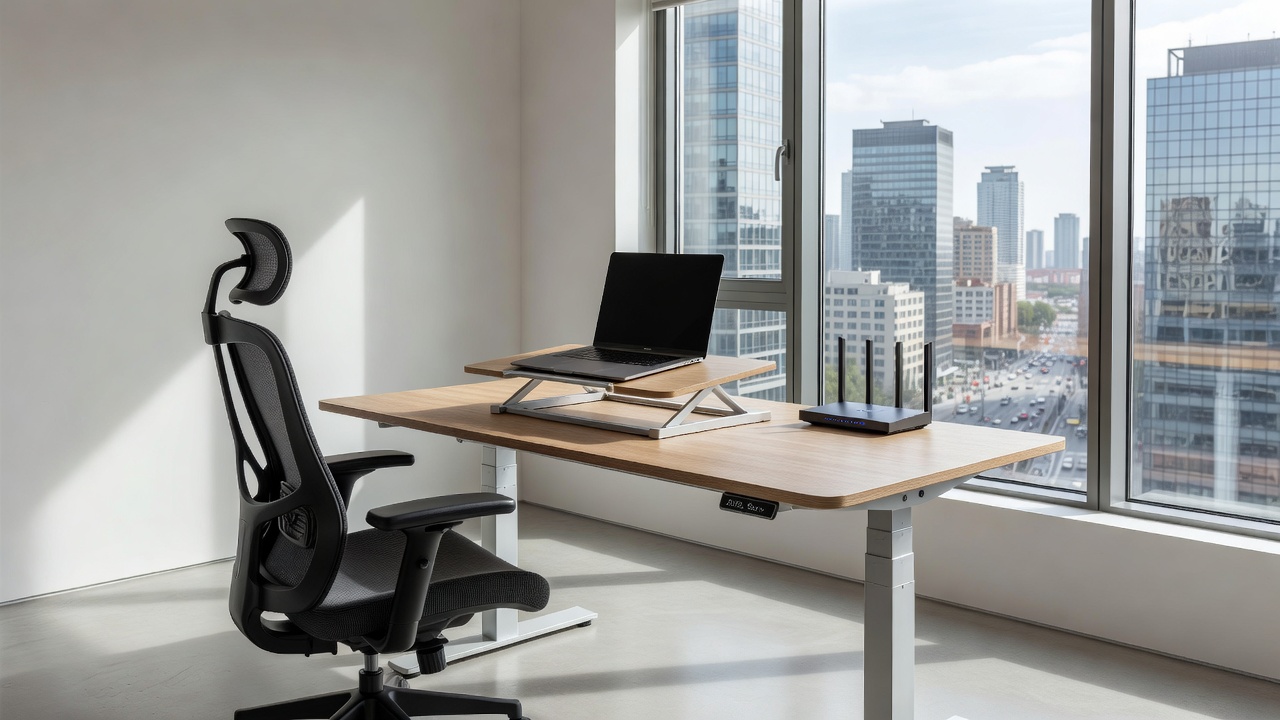
Cultural Adaptation Challenges and Solutions
Common hurdles include language gaps, social isolation, and adjusting to new norms. Successful relocators build routines around language apps, local events, and virtual support networks. Patience and proactive community involvement consistently accelerate integration. Healthcare access is another factor; consulting resources like www.who.int for travel health advice ensures proper preparation. Over time, these adaptations lead to deeper community connections and reduced stress, directly impacting long-term satisfaction with the move.
Case Study 1: Sarah from the U.S. to Portugal
Sarah, a content strategist, relocated from Austin to Lisbon in early 2026 after months of research into European digital nomad options. Her decision process involved comparing multiple destinations based on visa ease, internet quality, and English-speaking communities. Before the move her monthly expenses averaged higher due to U.S. housing costs; after relocation she reported improved lifestyle satisfaction and a notable productivity increase from reduced commute stress. Income remained stable while overall costs dropped qualitatively through lower rent and dining expenses. Cultural adaptation involved joining local freelancer meetups to overcome initial language barriers, and she established weekly routines that blended work with exploration of Portuguese culture. Workspace setup included a dedicated corner in a shared apartment near a popular co-working hub, which helped maintain focus. By mid-2026, Sarah had secured new European clients, expanding her business reach.
Case Study 2: Marco from Italy to Thailand
Web developer Marco moved from Milan to Chiang Mai mid-2026 after evaluating Southeast Asian hubs for their balance of affordability and vibrant tech scenes. Pre-move metrics showed inconsistent productivity from distractions at home; post-move he achieved consistent output through dedicated co-working routines and time-blocking techniques. Lifestyle satisfaction rose markedly thanks to lower living pressures and vibrant expat communities. Visa navigation relied on Thailand's long-stay options for remote workers, which required careful documentation of freelance contracts. He invested in a high-quality ergonomic chair shipped from Italy and tested multiple internet providers before settling on one with reliable speeds. Challenges like adapting to tropical weather were addressed by choosing an apartment with strong air conditioning and flexible work hours. Marco's client base grew as he leveraged local networking events to offer specialized services.
Case Study 3: Priya from India to Mexico
Graphic designer Priya transitioned from Bangalore to Mexico City after analyzing North American time zone overlaps with her primary clients. Her before-and-after data highlighted a noticeable boost in creative output and client satisfaction due to better work-life boundaries. Workspace upgrades, including a dedicated home office with strong Wi-Fi, played a key role in sustaining momentum. Cultural challenges around time zones were mitigated by strict scheduling boundaries and learning basic Spanish phrases for daily interactions. Decision-making included short visits to test neighborhoods, ultimately choosing an area with easy access to both quiet cafes and lively markets. Income stability improved as she diversified into local design projects while maintaining international contracts. By late 2026, Priya noted enhanced personal well-being from the city's rich arts scene.
Case Study 4: Jamal from Canada to Spain
Software consultant Jamal relocated from Toronto to Barcelona after researching EU pathways suitable for Canadian citizens. Metrics showed sustained income levels alongside higher reported happiness scores from access to Mediterranean lifestyle elements. He navigated visa requirements successfully and adapted by learning basic Spanish through immersion classes and apps. Workspace tips included selecting apartments near reliable transit hubs and investing in portable monitors for efficient coding sessions. Before the move, Jamal created a detailed transition timeline covering banking setup and healthcare enrollment. Post-relocation challenges like initial isolation were overcome through community events, leading to new professional collaborations. His overall productivity remained high as he aligned work hours with both North American clients and local opportunities.
Income Stability and Productivity Measurement
Across these cases, freelancers maintained income by diversifying client bases early and using tools to track billable hours consistently. Productivity was measured through self-reported task completion and client feedback rather than rigid metrics. Practical steps include setting quarterly reviews to adjust strategies based on new location realities.
Planning Checklist for a 2026 Relocation
- Research and apply for appropriate visas at least 3-6 months ahead.
- Conduct thorough cost-of-living audits using current data sources.
- Test workspace options via short-term stays before committing.
- Prepare cultural adaptation plans including language basics.
- Set measurable goals for income, productivity, and satisfaction.
- Establish emergency funds and healthcare coverage.
- Build a network of local and online contacts for support.
- Review tax implications with a professional familiar with cross-border work.
FAQ: Common Pitfalls to Avoid
What visa mistakes do freelancers often make?
Underestimating processing times or choosing tourist visas that prohibit remote work leads to compliance issues. Always verify rules through official government channels.
How can I compare costs accurately?
Use multiple data points and account for hidden fees like deposits or utilities. Qualitative lifestyle gains often matter more than raw numbers.
What if productivity drops after moving?
Reassess workspace ergonomics and time management immediately. Many recover quickly by replicating successful pre-move routines in the new setting.
How important is healthcare planning?
Extremely important. Securing international coverage before departure prevents gaps that could disrupt work and finances.
Conclusion
These 2026 case studies demonstrate that thoughtful planning around visas, costs, workspaces, and culture yields tangible improvements in freelancer outcomes. Use the provided frameworks and checklist to craft your own relocation blueprint and join the growing community of location-independent professionals who thrive abroad.

No comments yet. Be the first!