 Jobboy

Introduction
In the competitive world of remote work, a strong personal brand can transform your freelance career. As the gig economy evolves in 2026, freelancers who master visibility and client attraction gain access to higher-paying opportunities. This guide covers identifying your niche, optimizing platforms like LinkedIn, creating targeted content around terms such as digital nomad and side hustle, and maintaining a consistent online presence. Building a personal brand is no longer optional for remote freelancers; it is a strategic necessity that differentiates you from thousands of competitors vying for the same projects. Clients today search for specialists who demonstrate expertise through consistent messaging, visible portfolios, and thought leadership. Without a clear brand, even highly skilled freelancers struggle to move beyond low-value gigs and into sustainable, high-value remote contracts.
Identifying Your Niche Expertise
Start by pinpointing what sets you apart. Analyze your skills, past projects, and market demand. For example, a graphic designer might specialize in eco-friendly branding for digital nomad startups. Research competitors on freelance platforms and note gaps in services. This focused approach helps you attract clients seeking specialists rather than generalists. Begin with a self-assessment: list your top five strengths and cross-reference them against trending remote work needs such as AI integration, sustainable business practices, or cross-cultural communication. Conduct informal surveys on social platforms by asking your network what problems they face most often. Refine your niche until you can describe it in a single sentence that resonates with ideal clients. Real-world case: a copywriter narrowed from general content to "side hustle email sequences for digital nomad coaches" and saw inquiry volume increase substantially within three months.
Optimizing LinkedIn and Personal Websites
LinkedIn remains essential for remote freelancers. Update your headline with keywords like "Remote Freelancer | Digital Nomad Specialist" and craft a summary highlighting results. Add a professional photo and banner. Pair this with a personal website built on platforms like WordPress. Include a portfolio, testimonials, and a contact form. LinkedIn integration allows seamless sharing of updates. On your website, optimize every page for search with clear navigation, fast loading times, and mobile responsiveness. Feature case studies that show before-and-after client results. Use consistent branding colors and typography across both LinkedIn and your site so visitors instantly recognize your professional identity. Add a dedicated services page that outlines packages, turnaround times, and unique processes. This dual-platform approach creates multiple entry points for potential clients searching for remote talent.
Content Creation Strategies
Develop content that positions you as an authority. Publish blog posts or LinkedIn articles on side hustle tips for remote workers. Use target keywords naturally: discuss how digital nomad lifestyles influence branding. Share case studies, such as how one freelancer doubled client inquiries by posting weekly tips. Consistency builds trust and improves search visibility. Create a content calendar that mixes educational posts, behind-the-scenes insights, and client success stories. For instance, produce short videos explaining how to avoid common freelance pitfalls or write threads breaking down recent industry trends. Incorporate keywords like digital nomad and side hustle into headlines and subheadings without forcing them. Repurpose long-form content into bite-sized social posts to extend reach. Track engagement metrics to double down on formats that generate the most leads. Over time, this content library becomes a searchable asset that attracts inbound opportunities even while you sleep.
Free vs Paid Branding Tools Comparison
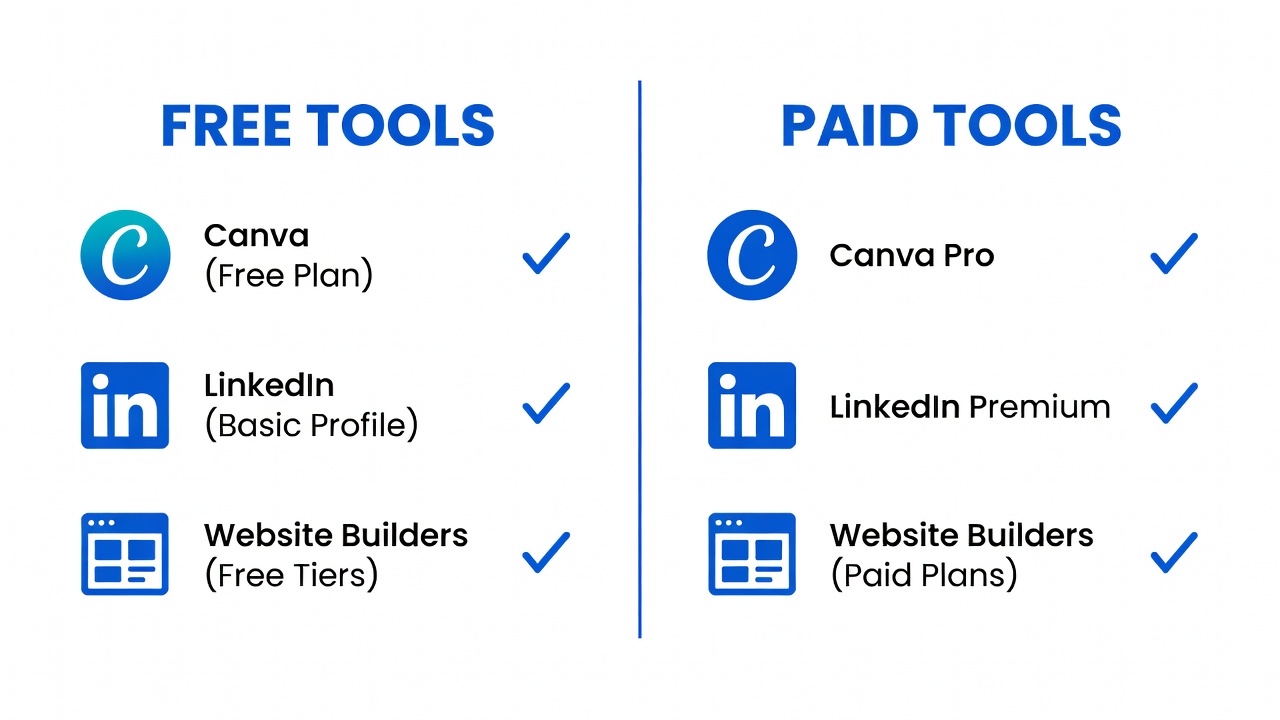
Evaluate options for efficiency. Free tools like basic Canva templates or Google Sites suffice for beginners. Paid alternatives offer advanced features like custom domains and analytics. Choose based on your budget and growth stage—start free to test, then upgrade for professional polish. Real-world example: A copywriter used free social schedulers initially before investing in premium website builders for better client conversion. Compare ease of use, export quality, and collaboration features side by side. Free tiers often limit file exports or remove branding credits, while paid plans provide white-label options and priority support. Many freelancers begin with free versions of scheduling tools and design software, then migrate to paid plans once monthly revenue supports the expense. The key is matching tool investment to current business stage rather than overcommitting early.
Building a Consistent Online Presence
Maintain activity across channels with a content calendar. Engage in niche communities, comment thoughtfully, and collaborate on projects. Track metrics like profile views to refine efforts. This sustained presence reinforces your brand and opens doors to remote opportunities. Set recurring reminders to post three times weekly and respond to comments within 24 hours. Join industry-specific groups on professional networks and contribute value before promoting services. Cross-promote content between your website blog and LinkedIn to create a cohesive narrative. Monitor analytics dashboards monthly to identify peak engagement times and adjust posting schedules accordingly. Consistent visibility signals reliability to potential clients who may review months of activity before reaching out.
Practical Steps and Real-World Examples
- Audit your current online profiles for consistency in tone, visuals, and messaging.
- Define a unique value proposition in one sentence that speaks directly to your target client pain points.
- Create and share one piece of content weekly focused on digital nomad or side hustle themes.
- Network with other digital nomads on relevant forums and offer helpful feedback before asking for referrals.
- Review analytics every 30 days and adjust your strategy based on what drives inquiries.
One freelancer in tech consulting grew her income substantially after implementing these steps over six months by focusing on niche content and profile optimization.
Mistakes to Avoid
Many freelancers fail by trying to appeal to everyone instead of narrowing their niche. Another common error is inconsistent posting that confuses audiences. Avoid neglecting mobile optimization on your website or using outdated profile photos. Do not ignore engagement; responding promptly to comments builds relationships that convert into clients. Finally, resist the temptation to copy competitors exactly—authenticity is what makes your brand memorable and trustworthy.
FAQ
How do I manage time while building a brand remotely?
Block 30 minutes daily for branding tasks and use productivity tools to stay organized. Batch content creation on weekends and schedule posts in advance to maintain consistency without daily pressure.
What if I lack technical skills for a website?
Begin with no-code platforms and outsource complex elements as your brand grows. Many freelancers start with simple drag-and-drop builders and gradually add custom features once revenue increases.
Is personal branding worth it for beginners?
Yes, even entry-level freelancers see improved client quality within months of consistent effort. Early branding work compounds over time and reduces reliance on cold pitching.
How long until I see results from branding efforts?
Most freelancers notice increased profile views and inquiries within 8–12 weeks when posting consistently and optimizing profiles. Patience and steady execution are essential.
Conclusion
Building a personal brand as a remote freelancer requires strategy and persistence. By focusing on niche expertise, optimized profiles, and regular content, you position yourself for success in 2026 and beyond. Start with one actionable step today and build momentum from there.

No comments yet. Be the first!