 Jobboy

Introduction: Why Freelancers Should Create Online Courses in 2026
Remote freelancers often hit an income ceiling when trading time for money through client gigs. Creating an online course offers a scalable revenue stream that generates passive income while you focus on high-value work or travel. In the evolving gig economy, where online work and freelancing dominate career paths for digital nomads, courses allow you to package expertise once and sell it repeatedly. This 2026 guide walks aspiring digital nomads and side hustlers through every stage of launching a first course aligned with existing freelance expertise, helping you build sustainable income beyond hourly client work.
Identifying Profitable Course Topics from Your Freelance Skills
Start by auditing your freelance services and client interactions. List the skills you use most frequently, such as project management for designers or SEO optimization for writers. Topics that solve specific pain points for your target audience perform best because they address immediate needs. For example, a freelance graphic designer could teach brand identity systems that help small businesses stand out, while a copywriter might cover email marketing sequences that boost conversion rates. Validate demand by checking search volume trends on platforms and surveying past clients about recurring challenges they face. Consider niche angles like industry-specific applications to reduce competition and increase perceived value. Real-world freelancers report higher engagement when topics tie directly to problems they have solved repeatedly for clients.
Selecting the Right Platform: Teachable vs Udemy
Choose between self-hosted platforms like Teachable and marketplaces such as Udemy. Teachable gives full branding control, customizable course funnels, and higher margins on sales, making it ideal for freelancers building a personal brand. In contrast, Udemy provides built-in traffic from millions of users but takes a larger revenue share and limits pricing flexibility. Evaluate based on your current marketing reach and long-term goals. Many beginners start on Udemy to gain visibility, then migrate successful courses to their own site. Additional options like Skillshare can supplement if your content fits a subscription model, but focus on one primary platform initially to avoid spreading efforts too thin.
Structuring Content for Maximum Engagement
Organize lessons into logical modules that deliver quick wins early to build momentum and encourage completion. Include a mix of video tutorials, downloadable templates, interactive quizzes, and community discussion prompts to cater to different learning styles. Aim for 4–6 hours of total content broken into 10–15 minute segments to match modern attention spans and improve completion rates. Incorporate storytelling from your freelance experiences to make lessons relatable, and end each module with action steps students can apply immediately. This approach not only boosts satisfaction but also leads to better reviews and word-of-mouth referrals.
Pricing Strategies for Sustainable Income
Price courses based on the transformation value they provide rather than the hours of content created. Consider offering tiered access levels with bonuses like private community invites or one-on-one feedback calls. Many successful freelancers begin with accessible entry points and adjust based on feedback from early students. Include options such as payment plans to reduce buyer friction and lifetime access to encourage purchases. Test different positioning messages during pre-launch to see what resonates most with your audience.
Marketing via Social Media and Email Lists
Leverage existing freelance profiles on LinkedIn and Instagram to share free value that funnels viewers toward a waitlist or lead magnet. Create consistent content such as tips, behind-the-scenes process breakdowns, and student success stories to build trust. Build an email sequence that nurtures leads with course previews, case studies, and limited-time incentives. Collaborate with other remote workers for cross-promotions and guest appearances to expand reach without large ad budgets. Tools for email automation help maintain engagement even when you are focused on client projects.
Integrating Courses into Remote Workflows
Batch-record lessons during focused work blocks when your energy is highest, then schedule releases over several weeks. Use automation tools for enrollment confirmations, progress tracking, and basic student support to minimize ongoing time investment. Schedule occasional live Q&A sessions that double as networking opportunities with your audience. This approach keeps client deliverables on track while the course generates income in the background. Many freelancers report that dedicating just a few hours per week to course maintenance allows them to maintain or even grow their overall earnings.
Real-World Examples of Successful Freelancer-Course Creators
One web developer transitioned from hourly contracts to a course on no-code tools that now supports multiple income streams and attracts corporate clients. A virtual assistant created a client onboarding system course, allowing her to reduce client hours while maintaining revenue through course sales and upsells. Another example is a freelance photographer who packaged her editing workflow into a course, leading to brand partnerships and speaking invitations. These stories highlight how courses complement rather than replace freelance work, providing diversification in uncertain economic times.
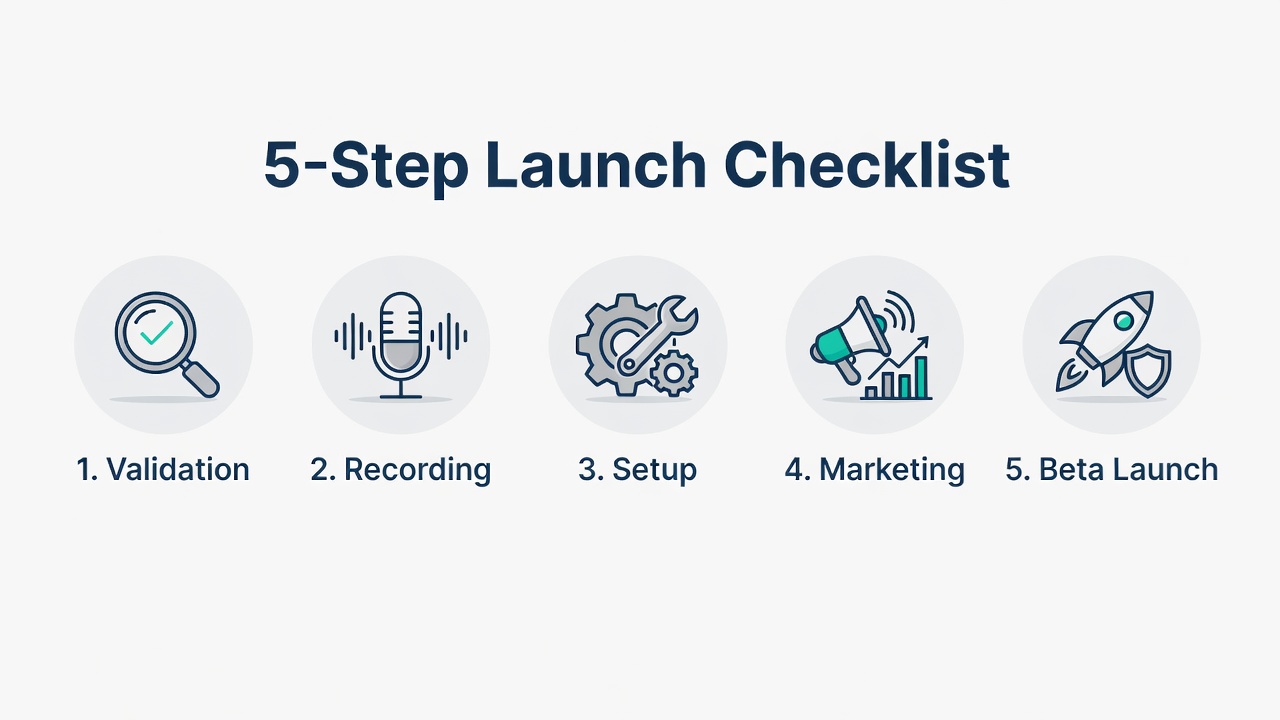
5-Step Launch Checklist
- Validate topic with at least 20 potential students through surveys or beta interest forms.
- Record and edit core lessons using professional yet accessible tools, focusing on clear audio and visuals.
- Set up sales page, payment processing, and basic email automation to streamline the buyer journey.
- Build a pre-launch audience through consistent social content and value-driven posts.
- Host a beta launch with early access to gather testimonials and refine based on feedback.
FAQ: Common Pitfalls and How to Avoid Them
How do I handle tech setup without overwhelm?
Begin with one platform’s built-in templates and add advanced features gradually. Many creators start recording on their phones or basic webcams before investing in dedicated equipment. Focus first on content quality rather than production polish.
What if my audience is too small to sell courses?
Grow your list by offering a free mini-course or webinar that showcases your teaching style. Focus on quality engagement over vanity metrics to convert a smaller but dedicated audience effectively into paying students.
How long should I expect the launch process to take?
Most first-time course creators spend two to four months from idea validation to live launch, depending on available time alongside client work. Breaking tasks into weekly milestones prevents burnout.
Conclusion
Launching an online course empowers remote freelancers to build scalable income beyond client work. By following the structured steps in this guide, you can create a product that aligns with your expertise and supports the flexible lifestyle you value. Start small, iterate based on feedback, and watch your online course become a cornerstone of your freelance business in 2026 and beyond.

No comments yet. Be the first!