 Jobboy

Introduction
In the crowded remote freelance market of 2026, standing out requires more than general skills. Building niche expertise allows freelancers to command higher rates, secure consistent clients, and differentiate from the competition on platforms like Upwork and Fiverr. This guide provides a complete roadmap for identifying profitable niches, establishing authority, and executing a successful pivot. The gig economy continues to grow, with millions of professionals competing for projects daily, making specialization essential for long-term success and sustainable income.
Identifying High-Demand Niches Aligned with 2026 Trends
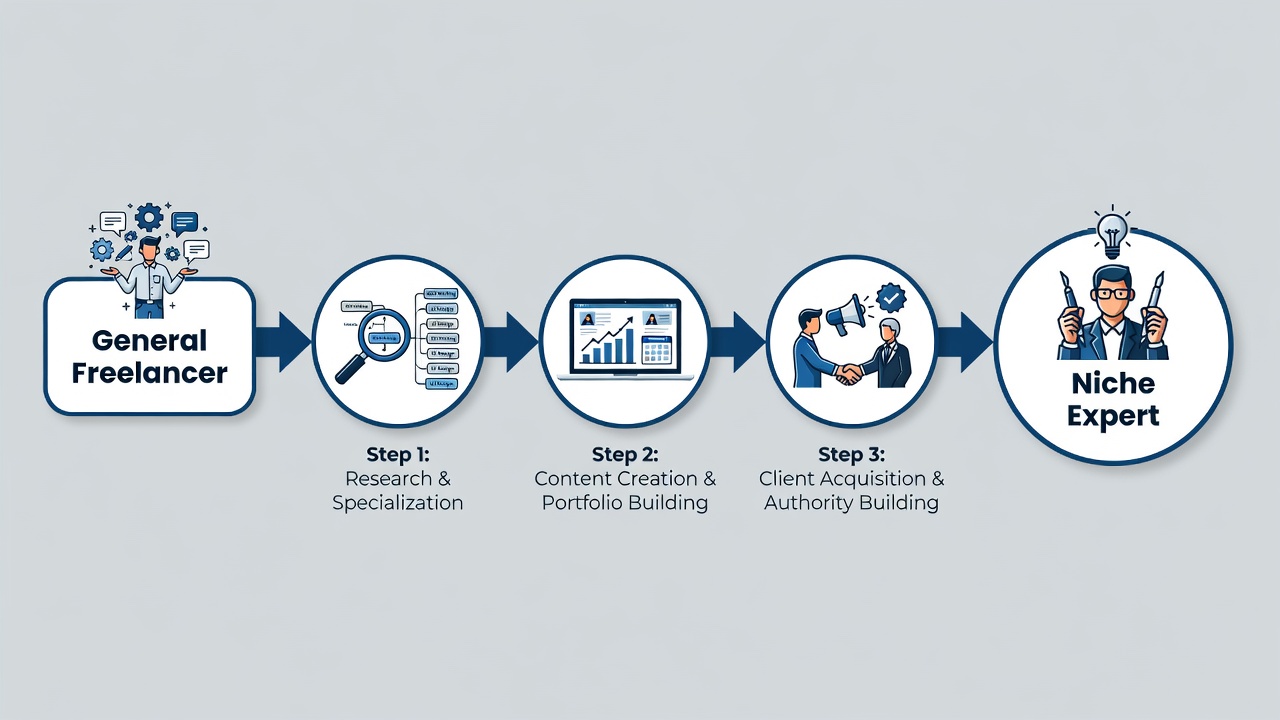
Successful specialization starts with thorough research. Focus on emerging remote work trends such as AI integration, sustainable business practices, and specialized digital marketing. Analyze freelance platforms for keywords with steady demand but lower competition. Combine your existing skills with market needs—for instance, pairing copywriting with e-commerce compliance for regulated industries. Use tools like Google Trends and platform search data to spot opportunities in areas like healthcare tech writing, renewable energy consulting, or AI prompt engineering for small businesses.
Consider factors such as your background, passion, and the potential for recurring work. High-demand niches often intersect with technological advancements and societal shifts. For example, remote freelancers specializing in cybersecurity for startups or inclusive design for global brands are seeing increased inquiries. Validate ideas by reviewing job postings and competitor profiles to ensure the niche has real client pain points that need solving.
Establishing Authority Through Content and Credentials
Once a niche is selected, create targeted content like in-depth blog posts, LinkedIn articles, and video tutorials. Earn relevant credentials through short online courses or certifications. Share case studies that demonstrate measurable results for past clients. This approach builds trust and positions you as the go-to expert. Consistency is key—publish weekly content that addresses specific challenges within your niche, such as tutorials on using new software or analyses of industry regulations.
Network in niche-specific communities, participate in webinars, and collaborate with complementary experts. Guest posting on established sites and creating downloadable resources like templates or guides further amplify your visibility. Over time, these efforts compound, leading to inbound leads rather than constant pitching.
Real-World Examples of Niche Success
Many freelancers have thrived by niching down. One example is a graphic designer who specialized in healthcare branding and saw client acquisition increase dramatically after focusing on compliance with medical advertising standards. Another is a developer focusing solely on no-code tools for small nonprofits, leading to recurring contracts and referrals through targeted outreach in sector-specific forums. A third case involves a marketing consultant who narrowed to e-commerce SEO for sustainable fashion brands, resulting in long-term retainers and speaking opportunities at industry events.
These stories highlight the power of depth over breadth. By solving narrow problems exceptionally well, freelancers reduce competition and increase perceived value, often attracting clients willing to pay more for specialized knowledge.
Step-by-Step Plan to Pivot Your Freelance Career
- Assess your current skills and interests through a personal inventory of past projects and feedback received.
- Research demand using platform analytics and industry reports from sources like Bureau of Labor Statistics.
- Test the niche with small projects or pro bono work to gather testimonials and refine your offerings.
- Update your profiles and portfolio on major platforms to reflect the specialization, including keywords and examples.
- Network in niche-specific communities and forums, such as LinkedIn groups or Reddit communities dedicated to the topic.
- Iterate based on client feedback and market shifts, adjusting services every quarter to stay relevant.
Tools and Resources for Building Expertise
Leverage free and paid resources to accelerate your journey. Online learning platforms offer targeted courses, while analytics tools help track content performance. Join professional associations related to your niche for access to exclusive research and events. Experiment with productivity software to manage client work efficiently as your business scales.
Common Mistakes to Avoid When Niching Down
- Choosing a niche based solely on trends without personal alignment, leading to burnout.
- Neglecting to update marketing materials, which confuses potential clients.
- Overlooking market validation and jumping in too quickly without testing demand.
- Spreading efforts across too many platforms instead of focusing on 2-3 high-traffic ones.
Earnings Comparisons: Generalists vs. Specialists
Specialists typically secure more stable income streams and premium opportunities compared to generalists. While exact figures fluctuate, specialists in targeted remote niches consistently outperform broader service providers through repeat business and referrals. This stems from reduced competition and higher perceived expertise, allowing for stronger positioning in proposals and negotiations.
Frequently Asked Questions
How do I validate a niche before committing?
Start with small paid gigs and track inquiry volume over 4-6 weeks. Use surveys in relevant online communities to gauge interest and refine your positioning based on responses.
What if the market shifts quickly?
Build adaptable skills within your niche and monitor trends quarterly to adjust offerings without starting over. Subscribe to industry newsletters and follow thought leaders on LinkedIn for timely insights.
Can I maintain multiple niches?
Focus on one primary niche initially. Once established, you can expand to adjacent areas for diversification while maintaining core expertise.
How long does it take to see results from niching?
Most freelancers notice increased inbound leads within three to six months of consistent effort in content creation and networking.
Should I raise my rates immediately after specializing?
Gradually increase rates as you accumulate niche-specific case studies and testimonials to justify the premium positioning.
Conclusion
Building niche expertise transforms remote freelancing from a race for low-paying gigs into a sustainable, high-value career. By following the steps outlined above, you can achieve greater client satisfaction and long-term growth in 2026 and beyond. Start today by selecting one actionable step from this guide and implementing it this week.

No comments yet. Be the first!