 Jobboy

Introduction: Why Cross-Cultural Skills Matter for Remote Workers
In today's interconnected economy, digital nomads and freelancers rely on strong cross-cultural communication to build lasting relationships with clients across continents. Mastering these skills helps you navigate time-zone etiquette, differing feedback styles, and holiday sensitivities while excelling in remote work environments. Whether you're collaborating with teams in Asia, Europe, or Latin America, effective communication prevents misunderstandings and fosters trust. This comprehensive guide provides actionable steps drawn from real-world scenarios, enabling you to adapt your approach for success in online work. As remote work continues to grow, understanding cultural nuances becomes essential for standing out in a competitive freelance marketplace.
Many freelancers report that cultural missteps lead to lost opportunities, while those who invest in learning these skills often secure repeat business and referrals. The following sections break down key challenges and offer detailed solutions tailored to global remote interactions.
Common Pitfalls in Cross-Cultural Remote Interactions
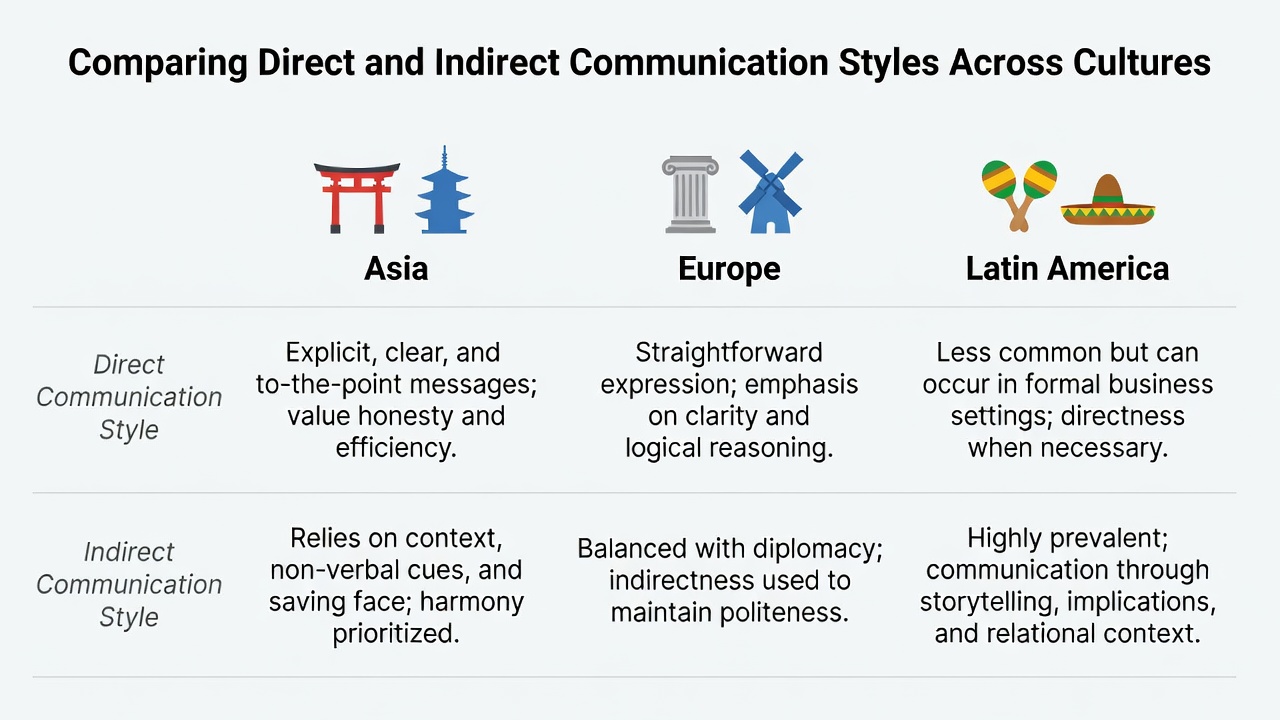
Many remote workers stumble over time-zone etiquette by scheduling calls at inconvenient hours for clients. Indirect versus direct feedback styles also create friction—some cultures value subtlety while others prefer blunt honesty. Holiday awareness is another frequent oversight; ignoring local observances can signal disrespect. Real examples include a freelancer in the U.S. who lost a Japanese client by pushing for immediate responses during Golden Week, or a European consultant who misinterpreted Latin American indirect refusals as agreement. Another common mistake involves assuming universal work norms, such as expecting quick replies during evenings or weekends in regions where family time takes priority. Digital nomads often overlook how language barriers compound these issues, leading to frustration on both sides. By recognizing these pitfalls early, you can proactively adjust your remote freelance strategies to build stronger international partnerships.
Practical Steps for Adapting Your Writing Tone
Adjust your email and chat tone based on cultural context. Start with research on your client's background using reliable resources like the Britannica encyclopedia. For high-context cultures in Asia, use polite, relationship-focused language that emphasizes harmony and long-term collaboration. In direct European styles, be concise and factual to respect efficiency preferences. Latin American clients often appreciate warmth and personal touches that build rapport before diving into business details. Always reread messages for unintended bluntness and consider cultural nuances before hitting send. Practice by rewriting sample emails for different regions and seek feedback from peers experienced in global remote work. Over time, this adaptation becomes second nature and significantly improves client retention rates.
Time-Zone Etiquette and Scheduling Best Practices
Respect client availability by using shared calendars and proposing multiple time options. Tools like World Time Buddy help identify overlaps. For instance, a 9 AM call for you might be midnight for an Australian client—always confirm preferences upfront. Build buffers around major holidays and rotate meeting times fairly to demonstrate equity in remote freelance work. Consider asynchronous communication options such as recorded video updates when live meetings prove challenging across time zones. This approach shows respect for your client's schedule and reduces burnout for everyone involved in the project.
Handling Feedback Styles Across Regions
Direct feedback dominates in Germany and the Netherlands, where criticism focuses on tasks without personal implications. In contrast, Thai or Mexican clients may soften negatives with praise to preserve harmony and avoid loss of face. Respond by mirroring their style: thank them explicitly for direct input and probe gently for clarity in indirect cases. This adaptability strengthens client retention in global remote work. To deepen your understanding, review case studies of successful cross-border projects and note how feedback was exchanged. Mistakes to avoid include over-apologizing in direct cultures or appearing too confrontational in indirect ones.
Holiday Awareness with Examples from Key Regions
Research major holidays before projects begin. In Asia, avoid scheduling around Chinese New Year or Diwali. Europe requires attention to extended August vacations in France and Italy. Latin America's Carnival and local independence days demand flexibility. Send thoughtful messages acknowledging these periods to build rapport. Maintain a shared calendar with client holidays marked in advance and set automatic reminders. This proactive habit prevents last-minute disruptions and positions you as a thoughtful partner in the digital nomad community.
Using Translation Tools Ethically
Employ tools like Google Translate for initial drafts but always review for context and nuance. Never rely solely on machine output for client communications—edit for cultural appropriateness. Ethical use means disclosing assistance when needed and prioritizing human review to maintain authenticity in freelance interactions. Combine these tools with language learning apps to gradually improve your own multilingual capabilities, which clients appreciate as a sign of commitment to their culture.
Running Inclusive Virtual Meetings
Begin meetings with brief cultural acknowledgments and allow time for relationship-building. Rotate agendas to accommodate different communication preferences and use clear agendas shared in advance. Record sessions for those in distant time zones and follow up with summaries. Incorporate icebreakers that invite participants to share brief cultural insights, fostering mutual respect. Ensure accessibility by providing materials in multiple languages when possible and confirming technical setups work across regions. These practices promote inclusivity for digital nomads managing diverse portfolios.
Comparing Successful vs. Failed Client Scenarios
Successful case: A freelancer researched Korean hierarchy norms, addressed the senior team member first, and scheduled around Chuseok, leading to a long-term contract. Failed case: Ignoring siesta customs in Spain resulted in missed deadlines and project cancellation. Analyze these to refine your strategy. Another success story involved a freelancer who adapted proposals to include relationship-building elements for a Brazilian client, securing extensions, while a failed project in India collapsed due to unacknowledged festival periods. Learning from both outcomes equips you to handle varied situations in remote work.
Checklists for Cross-Cultural Excellence
- Research client holidays and time zones before outreach.
- Adapt tone: relationship-focused for Asia, direct for Northern Europe, warm for Latin America.
- Confirm meeting times with multiple options.
- Review feedback delivery styles and respond accordingly.
- Use translation tools only as aids, followed by personal edits.
- Include cultural sensitivity in meeting agendas.
- Document lessons learned after each major client interaction for future reference.
FAQ on Handling Sensitive Cultural Topics
How do I address religion without offending?
Keep discussions professional and let clients lead if they choose to share personal details.
What if a client uses humor I don't understand?
Ask clarifying questions politely to avoid misinterpretation and maintain positive dialogue.
Should I discuss politics in remote work chats?
Avoid unless the client initiates, and remain neutral to preserve the professional relationship.
How can I recover from a cultural misstep?
Apologize sincerely, demonstrate willingness to learn, and adjust future behavior accordingly.
Building Long-Term Relationships Through Cultural Awareness
Beyond individual interactions, consistent cultural sensitivity leads to referrals and expanded networks. Digital nomads who invest time in learning about client backgrounds often find themselves recommended within tight-knit international communities. Track relationship milestones and celebrate client successes in culturally appropriate ways to deepen connections over time.
Conclusion
Mastering cross-cultural communication elevates your remote work and digital nomad career by turning potential barriers into opportunities for deeper client connections. Apply these strategies consistently to thrive in the global freelance landscape and achieve sustained success.

No comments yet. Be the first!