 Jobboy

Introduction
In today's dynamic employment landscape, volunteer work has emerged as a strategic tool for job seekers aiming to enhance their 2026 applications. Beyond traditional paid roles, volunteering allows individuals to develop targeted skills, forge meaningful professional connections, and demonstrate a proactive approach that resonates with hiring managers. This article explores how to select aligned opportunities, showcase experiences effectively, and measure their impact on application success rates, providing practical checklists and real examples to optimize your efforts.
Why Volunteer Work Matters for Job Seekers in 2026
Employers increasingly seek candidates who exhibit initiative, adaptability, and community orientation. Volunteer positions fill employment gaps while cultivating competencies such as leadership, project management, and cross-functional collaboration. According to resources from USA.gov, sustained community involvement builds transferable professional skills that stand out in applicant tracking systems. In 2026, with evolving workplace demands, these experiences signal reliability and a growth mindset, often leading to higher interview invitation rates when integrated thoughtfully into applications.
Identifying and Selecting the Right Volunteer Opportunities
Alignment is critical. Begin by mapping your target career path to available roles. Aspiring data analysts might volunteer to manage databases for local nonprofits, while those pursuing human resources could coordinate volunteer teams at community events. Evaluate options using criteria like skill development potential, time commitment, and networking value. Platforms such as VolunteerMatch facilitate discovery, but always verify organizational reputation through reviews and direct outreach. Prioritize roles offering measurable responsibilities over passive participation to maximize resume impact.
- Assess weekly availability and commit to at least three months for depth.
- Seek positions involving leadership or specialized tasks relevant to your field.
- Explore hybrid or remote volunteering to accommodate job search schedules.
- Network during shifts to connect with professionals in your industry.
Building Transferable Skills Through Strategic Volunteering
Volunteer roles often mirror workplace challenges. Coordinating a fundraising campaign hones budgeting and stakeholder communication, while tutoring programs develop training and mentorship abilities. Track these developments in a personal journal, noting specific tools used or outcomes achieved. This documentation becomes invaluable when tailoring applications, allowing you to draw direct parallels between volunteer tasks and job descriptions.
Documenting Volunteer Impact for Maximum Effect
Quantification transforms vague experiences into compelling evidence. Record hours served, projects completed, and results generated, such as "Organized logistics for 200 attendees, improving event efficiency by 30%." Use spreadsheets or apps to log weekly progress. This data supports both resume bullets and interview narratives, helping recruiters quickly grasp your contributions.
Integrating Volunteer Experience into Resumes and Cover Letters
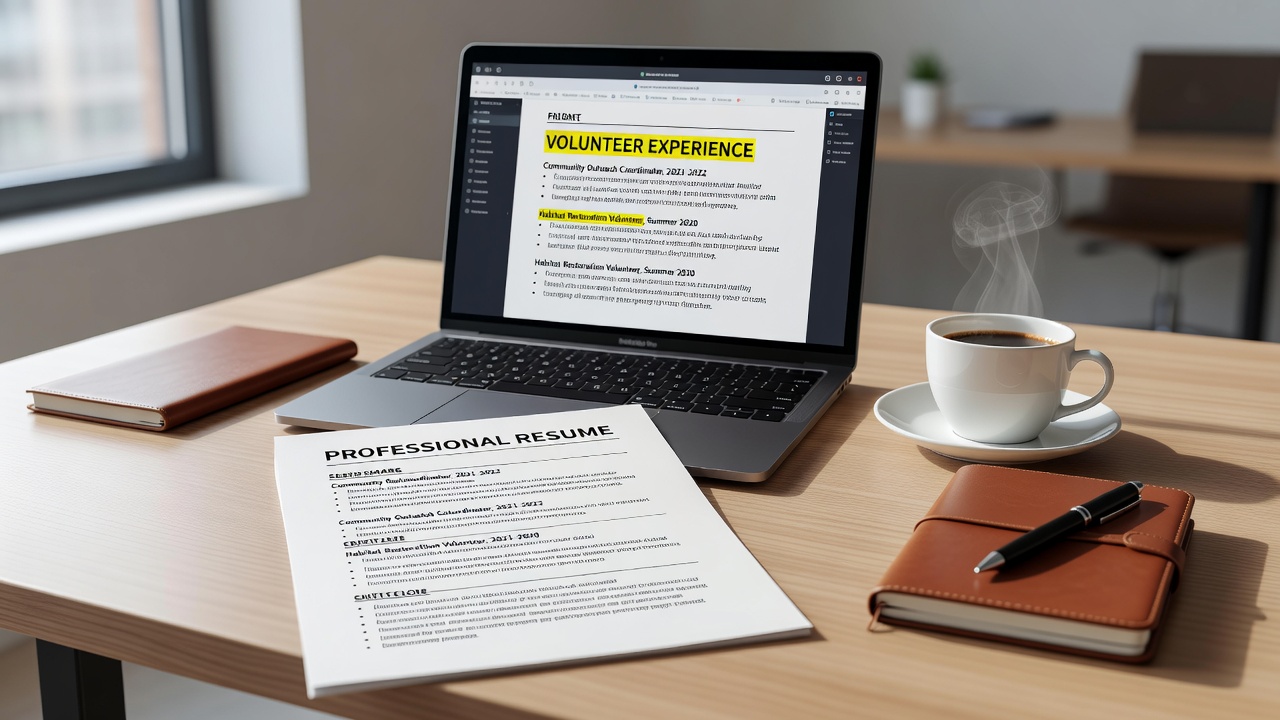
Position volunteer work prominently if it fills skill gaps or demonstrates career progression. Create a dedicated section titled "Volunteer Experience" or blend it with professional history for highly relevant roles. Employ strong action verbs and metrics in descriptions. In cover letters, weave in brief stories showing how volunteering prepared you for the target position, emphasizing enthusiasm and results orientation.
Leveraging Volunteer Roles Effectively in Interviews
Prepare STAR-method responses linking volunteer scenarios to job requirements. For behavioral questions about teamwork, reference a group project where you facilitated collaboration among diverse participants. Practice articulating challenges overcome and lessons learned. This approach turns volunteering into proof of practical expertise rather than mere goodwill.
Real-World Examples of Volunteer-to-Hire Success Stories
Consider Sarah, a recent graduate who volunteered as a social media coordinator for a health nonprofit. Her campaign increased engagement by 45%, which she highlighted on LinkedIn and in applications, resulting in a marketing coordinator offer within four months. Similarly, Michael, transitioning careers, coordinated logistics for a youth mentorship program; this experience provided concrete examples of process improvement that impressed hiring panels at logistics firms. These cases illustrate how targeted volunteering creates direct bridges to employment.
Volunteer Work Compared to Internships and Other Experiences
While internships often provide structured environments and possible stipends, volunteering offers greater scheduling flexibility and accessibility across age groups. Internships may focus on specific industry exposure, whereas volunteer roles emphasize broader impact and relationship building. For career changers or those with limited time, volunteering serves as an effective alternative or complement, especially when paired with freelance projects or online courses.
Time Management Strategies for Balancing Volunteering and Job Searching
Effective integration requires discipline. Allocate fixed weekly blocks, such as Saturday mornings, and use digital calendars with reminders. Set boundaries to prevent burnout, ensuring volunteering enhances rather than detracts from application quality. Many successful job seekers report dedicating 5-8 hours weekly while maintaining momentum in their search.
Frequently Asked Questions on Volunteer Work and Job Applications
How long should I volunteer before seeing results? Consistent involvement of three to six months typically yields noticeable network growth and skill documentation. Can short-term roles be included? Yes, if they produced clear achievements. Does remote volunteering count equally? Absolutely, especially in 2026 when hybrid work is standard. What if my volunteer role doesn't match my field exactly? Focus on transferable skills like communication or organization in your descriptions.
Creating a Measurable Action Plan and Checklist
Develop a personalized plan with these steps: Research three aligned organizations this week. Commit to one role and log activities daily. Update your resume within 30 days. Apply to five positions incorporating volunteer highlights. Review response rates monthly and adjust. This checklist ensures systematic progress and accountability.
- Identify career-aligned volunteer opportunities via reputable platforms.
- Establish a tracking system for hours, skills, and outcomes.
- Revise application materials to feature quantifiable volunteer achievements.
- Prepare interview stories that connect volunteering to job needs.
- Monitor application metrics and refine strategy accordingly.
Conclusion
Strategic volunteer work serves as a catalyst for stronger 2026 job applications by delivering relevant experience, authentic connections, and demonstrable results. By following the outlined methods, including careful selection, thorough documentation, and consistent tracking, job seekers can transform community involvement into a competitive advantage that accelerates hiring success.


No comments yet. Be the first!