 Jobboy

Introduction to Cold Outreach in 2026
In today's competitive job market, traditional applications often get lost in the shuffle of applicant tracking systems. Cold outreach allows job seekers to connect directly with hiring managers and bypass those barriers entirely. This comprehensive guide provides actionable steps for identifying targets, writing compelling messages, optimizing timing, and measuring results to accelerate your job search in 2026. By focusing on personalization and strategic follow-up, professionals can dramatically increase their chances of landing interviews without relying solely on job boards.
Identifying Decision-Makers Through Research
Start by targeting the right people at companies where your skills align with open needs. Use LinkedIn's advanced search filters to find hiring managers, team leads, and department heads. Cross-reference findings with company websites, recent press releases, and industry news to pinpoint individuals involved in relevant projects. Build a weekly target list of 20-30 high-potential contacts by reviewing org charts, LinkedIn company pages, and earnings calls. Tools such as Boolean search strings on LinkedIn help narrow results by title, location, and keywords like "hiring" or "team expansion." This research phase prevents wasted effort on generic blasts and ensures every message reaches someone who can influence hiring decisions.
Building and Organizing Your Outreach List
Once you have initial names, organize them in a simple spreadsheet with columns for name, title, company, LinkedIn URL, email if found, and notes on specific projects or pain points. Verify contact details through public sources only. This structured approach allows you to track progress and avoid duplicate outreach. For deeper insights, explore recent company blog posts or conference talks by your targets to uncover timely references that demonstrate genuine interest.
Crafting Personalized Messages That Convert
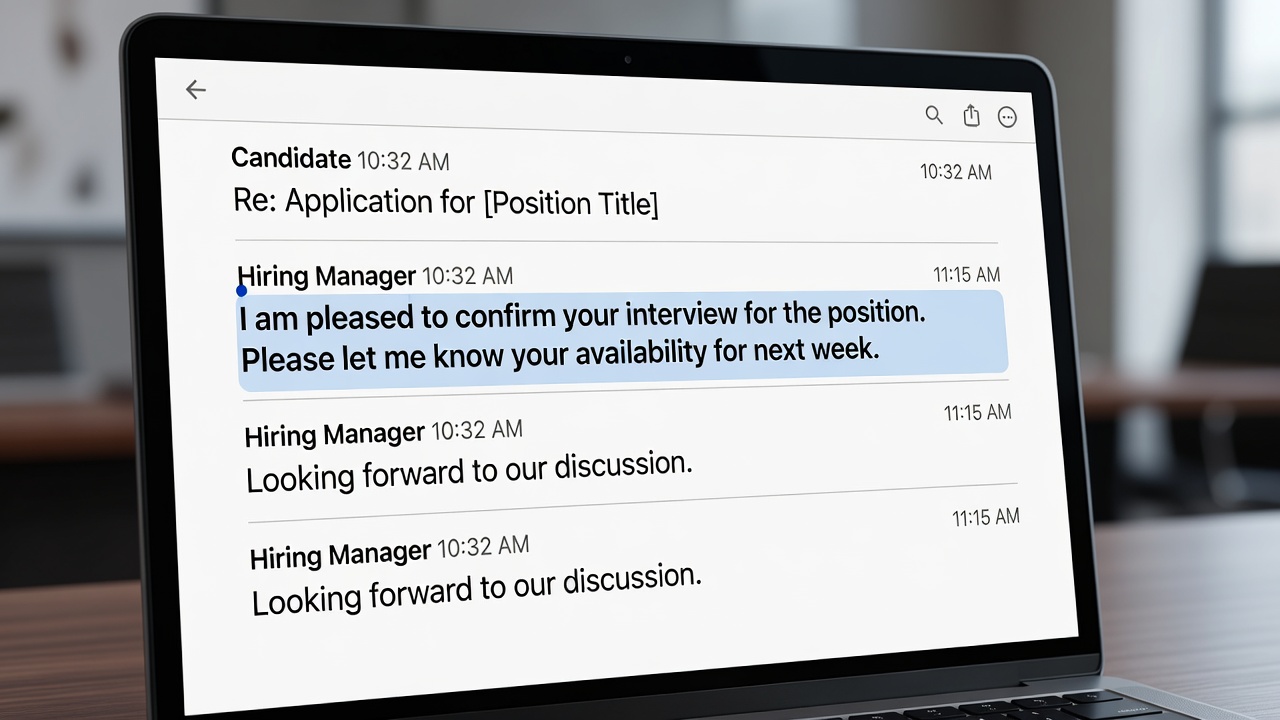
Generic messages fail to capture attention. Instead, reference specific company projects, recent achievements, or pain points mentioned in their posts or interviews. For example: "I noticed your team's expansion into AI-driven analytics mentioned in the Q3 update—my experience optimizing similar models at [Previous Company] could help streamline your rollout." Keep messages under 150 words, end with a clear call-to-action such as requesting a 15-minute call, and always customize at least three elements including the recipient's name, a unique detail, and a relevant connection to your background. This level of personalization dramatically improves open and reply rates.
Timing Strategies for Higher Response Rates
Send messages Tuesday through Thursday between 8-10 AM in the recipient's timezone for optimal open rates. Avoid Mondays and Fridays when inboxes are flooded or attention is low. Follow up after 5-7 business days with a brief value-add, such as sharing a relevant industry article or insight. Limit sequences to three touches maximum to respect busy schedules while maintaining persistence. Testing different send times within your own campaigns can reveal patterns specific to your target industries.
Email Templates and LinkedIn Message Scripts
Here is a proven cold email template: Subject line: Quick question on [Specific Project or Initiative]. Body: Hi [Name], I came across your work on [Project] and was impressed by [Specific Detail]. My background in [Your Expertise] helped achieve [Quantifiable Result] at [Company]. Would you be open to a quick 15-minute chat next week? Best regards, [Your Name]. Adapt similarly for LinkedIn with a shorter, more conversational tone that fits the platform's style. Always include a signature with your LinkedIn profile link and a one-line professional summary.
Cold Email vs. LinkedIn Messaging: Which Works Better?
Cold email often yields higher response rates for detailed outreach because recipients check dedicated inboxes more consistently. LinkedIn excels for initial relationship-building and increasing visibility through profile views. Test both channels: begin with LinkedIn for warm intros or connection requests, then follow with email for deeper conversations. Track which channel converts more interviews for your specific industry and role level to refine your mix over time. Many successful job seekers combine the two for a multi-touch approach.
Tracking Outreach Metrics and Follow-Up Sequences
Use a simple spreadsheet or free CRM template to log every sent message, open rates if available, response rates, and interview conversions. Aim for a 5-10% response rate as a realistic benchmark in 2026. Review metrics weekly to identify winning subject lines, optimal personalization tactics, and industries with higher engagement. Adjust your approach based on data rather than assumptions for continuous improvement.
Real-World Examples of Successful Outreach
One mid-level marketing professional referenced a hiring manager's recent podcast appearance about content strategy challenges and secured an interview within a week, ultimately landing a role at a growing tech startup. Another candidate used data from the company's annual report to propose a targeted solution in their message, resulting in three separate interviews across departments. These examples illustrate how relevance and research outperform sheer volume in generating meaningful responses.
Common Mistakes to Avoid in Cold Outreach
Many job seekers make avoidable errors such as sending overly long messages, failing to research the recipient, using generic templates without customization, or following up too aggressively. Another frequent issue is neglecting mobile optimization, as many professionals read messages on phones. Always proofread for typos and ensure your LinkedIn profile is up to date before reaching out, since recipients will check it immediately.
Compliance With Data Privacy Rules: FAQs
- Is cold outreach legal? Yes, when messages are professional, you use only publicly available information, and you respect any opt-out requests, in line with regulations like GDPR and CAN-SPAM.
- How do I handle personal data? Stick exclusively to information from LinkedIn profiles and company websites; never scrape or purchase lists.
- What if they don't respond? One polite follow-up after a week is acceptable; cease contact after that to remain compliant and professional.
For official guidance on data protection practices, review resources from European Commission and Federal Trade Commission.
Conclusion
Implementing these advanced cold outreach tactics can transform your job search results in 2026. Focus on thorough research, deep personalization, consistent tracking, and strict compliance to build genuine connections that lead directly to interviews. Begin with a small batch of 10 targeted messages this week, analyze responses, and iterate based on what works for sustained success and faster career advancement.


No comments yet. Be the first!