 Jobboy

Introduction to the 2026 Creator Economy
The creator economy continues to evolve rapidly, offering remote freelancers unprecedented opportunities to build sustainable income streams. In 2026, niches such as affiliate content, niche newsletters, and community management stand out as particularly viable for location-independent professionals. This playbook examines proven strategies, platform options, and real-world applications to help freelancers select and monetize the right niche. As remote work becomes the norm, freelancers are increasingly turning to these models to replace or supplement traditional client-based work. The flexibility allows individuals to operate from anywhere while building assets that generate passive and recurring revenue.
Successful digital nomads leverage these niches by combining audience building with diversified revenue. Whether you are transitioning from traditional freelance gigs or scaling an existing online presence, understanding selection criteria and execution tactics is essential. Market data shows steady growth in creator-driven platforms, making now an ideal time to enter with a structured approach.
Criteria for Choosing a Profitable Niche
Selecting the right niche requires evaluating market demand, personal expertise, competition levels, and monetization potential. Freelancers should prioritize topics with engaged audiences that support recurring revenue models. Key factors include evergreen appeal, willingness of audiences to pay for premium content, and compatibility with remote work tools. Begin by auditing your own skills and interests to ensure long-term sustainability, then cross-reference against search volume and social engagement metrics on major platforms.
Additional considerations involve alignment with your skills in content creation or moderation. Niches tied to emerging trends like sustainable living or AI-assisted productivity often yield stronger results in 2026. Consider audience demographics, such as whether the group prefers video, text, or interactive formats. Test small content experiments before committing fully to avoid wasted effort on low-engagement topics.
Top 2026 Creator Economy Niches for Freelancers
Affiliate Content Creation
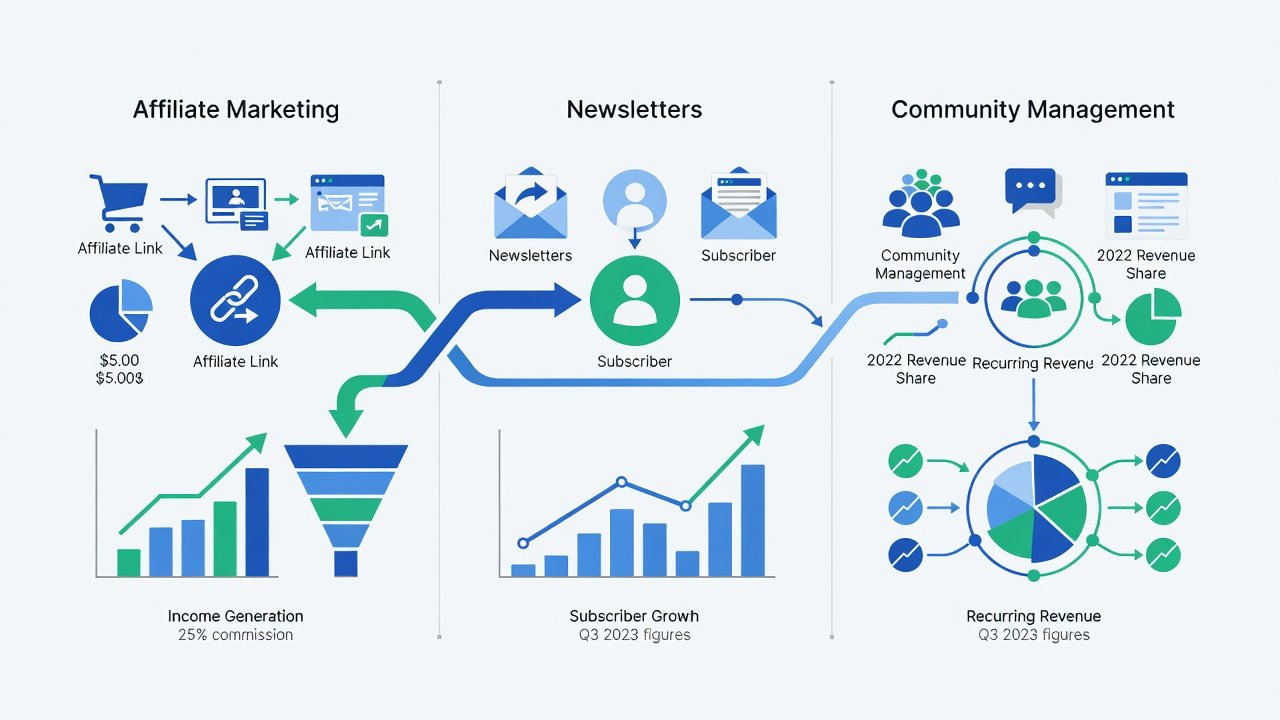
Affiliate marketing remains a cornerstone niche. Freelancers produce reviews, tutorials, and comparison guides that drive sales through commission links. This model excels in categories such as software tools, travel gear, and wellness products. For example, a remote freelancer specializing in productivity apps can create in-depth comparison posts that rank well in search engines and earn commissions on referred sign-ups.
Niche Newsletters
Subscription-based newsletters thrive on exclusivity. Writers curate specialized insights for industries like remote work technology or freelance finance. Platforms enable direct monetization through paid tiers. A well-executed newsletter on sustainable remote living might attract professionals seeking curated resources and advice, fostering loyalty through consistent delivery.
Community Management
Managing online communities for brands or independent creators provides steady freelance income. Roles involve moderation, event hosting, and engagement strategies that foster loyal member bases. Freelancers in this space often handle Discord servers or private forums, turning moderation into a full remote role with opportunities for upsells like premium events.
Other emerging areas include personalized learning content and sustainability consulting delivered through creator channels. Each niche benefits from cross-pollination, such as using newsletter subscribers to populate a paid community.
Platform Comparisons: Patreon Versus Substack
Patreon offers robust membership tiers and community features ideal for community management and exclusive content. It supports multiple revenue streams including digital downloads. Creators appreciate its flexible reward system that encourages ongoing supporter relationships.
Substack specializes in newsletter delivery with built-in subscription tools and strong discoverability. Freelancers often combine both platforms for maximum reach. Substack's recommendation network can accelerate growth for writers, while Patreon shines for interactive and multimedia creators.
Patreon tends to favor visual and interactive creators, while Substack excels for written analysis. Revenue models differ in fee structures and audience analytics depth. Evaluating your primary content format helps determine the best starting point, with many freelancers maintaining presence on both for diversified distribution.
Real Monetization Examples and Revenue Breakdowns
Many freelancers achieve diversified income through a mix of subscriptions, sponsorships, and product sales. A typical breakdown might allocate portions to recurring memberships, affiliate commissions, and one-time digital products, though results vary by audience size and engagement. For instance, a freelancer in the affiliate niche might see the majority of earnings from high-converting product reviews, supplemented by sponsored posts from aligned brands.
Step-by-Step Tactics for Audience Building
- Identify target platforms where your audience already gathers, such as LinkedIn or niche forums, and optimize profiles for discoverability.
- Publish consistent, high-value content on a weekly schedule, incorporating SEO best practices to improve visibility over time.
- Engage actively in comments and collaborations to grow organically, responding thoughtfully to build trust and encourage shares.
- Leverage cross-promotion with complementary creators through guest posts or joint sessions to tap into new audiences efficiently.
- Analyze performance data to refine topics and formats, using insights to double down on high-performing content types.
- Offer lead magnets like free guides to capture emails and nurture subscribers toward paid offerings.
Pricing Strategies and Diversification into Digital Products
Effective pricing starts with tiered options that deliver increasing value. Begin with accessible entry points before introducing premium offerings. Diversification involves creating ebooks, templates, or courses that complement core content. For example, a newsletter creator might bundle exclusive templates with paid subscriptions to increase perceived value. This approach reduces reliance on any single income source and builds long-term asset value for remote freelancers. Test different price points with small audience segments to identify optimal thresholds that balance accessibility and profitability.
Case Studies of Successful Digital Nomads
One freelancer transitioned from copywriting to niche newsletter curation focused on remote tools, achieving location independence within 18 months by starting with free issues and gradually introducing paid tiers. Another built a Patreon community around freelance productivity, expanding into digital product sales for additional stability after reaching a critical mass of engaged members. These examples highlight the importance of patience and iterative improvement in scaling remote income.
Common Pitfalls to Avoid
- Neglecting audience engagement in favor of pure content output, which can lead to stagnant growth and low conversion rates.
- Overlooking platform policy changes that affect visibility, such as algorithm updates impacting reach.
- Failing to diversify beyond one monetization method, leaving income vulnerable to single-point disruptions.
- Underestimating the time required for consistent growth and burning out from inconsistent effort.
- Ignoring legal considerations like disclosure requirements for affiliate links or data privacy in communities.
FAQ: Scaling These Niches into Full Remote Income Streams
How long does it typically take to generate meaningful income? Most freelancers report initial traction within three to six months with consistent effort and strategic content planning.
Which niche suits beginners best? Affiliate content often provides the quickest entry due to lower barriers compared to community building, allowing quick testing of audience interest.
Can these niches be combined? Yes, many successful creators integrate newsletters with community features for compounded results and multiple revenue layers.
What tools help with remote execution? Standard productivity suites and analytics dashboards support efficient management across time zones, enabling seamless operations from any location.
How should freelancers handle platform dependency? Diversify across multiple channels and build owned assets like email lists to maintain control over audience relationships.

No comments yet. Be the first!