 Jobboy

Introduction to Green Job Hunting in 2026
The shift toward sustainability is accelerating in 2026, creating abundant opportunities for job seekers focused on environmental impact. Whether you're pivoting from a traditional career or starting fresh, targeted strategies can help you stand out in roles like renewable energy, conservation, and sustainable supply chain management. The green economy continues to expand as companies and governments prioritize climate action, creating demand for professionals who combine technical expertise with environmental awareness.
This guide covers identifying high-growth sectors, tailoring applications with industry keywords, and using specialized platforms. We'll also compare career paths, provide networking steps, checklists, pitfalls to avoid, and answers to common questions about salaries and skills. By the end, you'll have actionable steps to launch or advance your green career effectively.
Identifying Emerging Green Sectors in 2026
Green sectors are evolving rapidly due to policy changes and technological advances. Key areas include renewable energy installation, climate adaptation consulting, electric vehicle infrastructure, and circular economy initiatives. Research reports from authoritative sources highlight growth in these fields, driven by corporate ESG commitments and government incentives. For instance, roles in solar and wind energy project management are proliferating as nations meet renewable targets, while urban planning positions increasingly require expertise in green infrastructure and biodiversity preservation.
Focus on sectors aligned with your interests and location. For example, coastal regions may emphasize marine conservation and offshore wind, while urban areas prioritize green building, waste reduction, and sustainable transportation. Emerging niches like carbon capture technology and regenerative agriculture also present entry points for those with backgrounds in science or engineering. Staying informed through industry reports helps identify where demand is highest and competition is manageable.
Optimizing Your Profile with Relevant Keywords
Job listings in sustainability often use specific terms like "carbon footprint reduction," "ESG compliance," "renewable energy systems," and "sustainable procurement." Incorporate these naturally into your resume, LinkedIn profile, and cover letters. Tools like job aggregator searches can reveal trending phrases from current postings. Applicant tracking systems scan for these terms, so strategic placement improves visibility without keyword stuffing.
Quantify achievements where possible, such as "Led a team that reduced organizational emissions by 25% through process improvements." This demonstrates real impact to recruiters. Additionally, highlight transferable skills from previous roles, like data analysis or project management, and map them explicitly to environmental outcomes. Regularly review and update your profile as new keywords emerge in 2026 job descriptions.
Leveraging Specialized Job Boards
Beyond general sites, use eco-focused boards such as those run by environmental nonprofits or platforms dedicated to green careers. Combine these with mainstream searches filtered by "sustainability" or "green jobs." Regularly update alerts to catch new postings early. Examples include boards specializing in clean tech, conservation, and corporate responsibility roles, which often list opportunities not found elsewhere.
Bureau of Labor Statistics provides data on green job trends that can inform your search strategy. Cross-reference listings with company career pages for direct applications, and consider niche networks that connect candidates with mission-driven employers in the nonprofit and startup spaces.
Building Eco-Credentials Through Targeted Applications
Gain credentials via certifications in areas like LEED for buildings or GRI for reporting. Apply to roles that value hands-on experience, even if entry-level. Volunteer with local environmental groups to build a portfolio of projects that showcase your commitment. Targeted applications mean customizing each submission rather than mass applying. Research company sustainability reports to align your materials with their goals, referencing specific initiatives in cover letters.
Develop a personal brand around sustainability by creating content, such as blog posts or LinkedIn articles, on topics like climate solutions. This positions you as knowledgeable and proactive. Track your applications systematically, noting which credentials resonate most with hiring managers in different sectors.
Comparing Traditional vs. Green Career Paths
Traditional paths in finance or manufacturing often offer stability but may lack purpose alignment for eco-conscious individuals. Green paths, such as environmental engineering versus conventional engineering, provide similar technical demands but with added focus on impact. Real examples include transitioning from corporate accounting to ESG auditing roles, where skills transfer directly while contributing to climate goals. Another case involves moving from retail management to sustainable supply chain coordination, leveraging logistics experience in a field that emphasizes ethical sourcing and waste minimization.
Many find green careers offer greater long-term fulfillment, though they require adaptability to emerging regulations. Weigh factors like work culture, growth potential, and alignment with personal values when deciding. Hybrid roles that blend traditional skills with green responsibilities are increasingly common, easing the transition for many professionals.
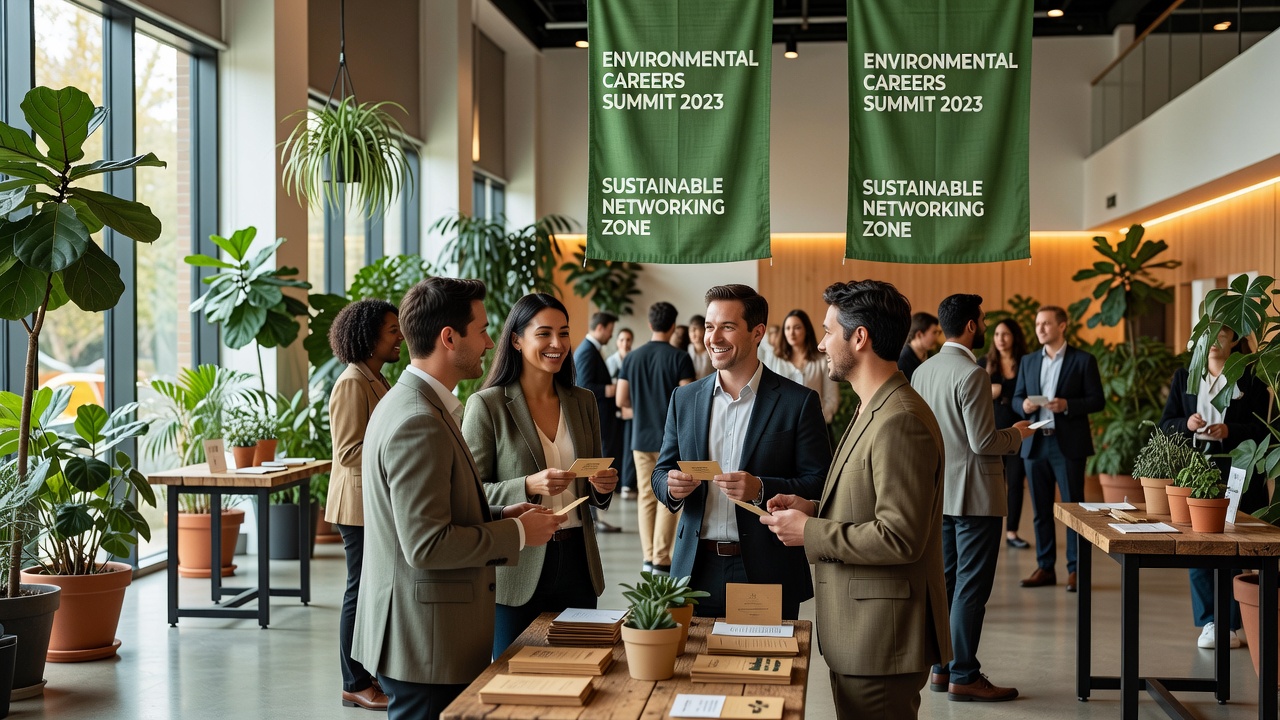
Steps for Networking in Environmental Organizations
1. Join professional groups like local chapters of environmental associations to access events and mentorship opportunities.
2. Attend virtual webinars and conferences on sustainability topics, preparing thoughtful questions to engage speakers.
3. Engage on LinkedIn by commenting thoughtfully on industry posts and sharing relevant articles.
4. Volunteer for events hosted by groups focused on conservation or clean tech to meet like-minded professionals.
5. Follow up with personalized messages to new contacts, referencing specific conversations to build lasting connections.
Consistent networking builds relationships that lead to unadvertised opportunities. Consider informational interviews with professionals already working in target roles to gain insider perspectives on day-to-day realities and advancement paths.
Practical Checklists for Job Seekers
- Update LinkedIn with green keywords and recent projects, including quantifiable results.
- Research at least five target companies weekly, reviewing their latest sustainability reports.
- Prepare examples of sustainability achievements for interviews, using the STAR method.
- Track applications in a spreadsheet with follow-up dates and key contacts.
- Review salary benchmarks qualitatively across roles and regions.
- Schedule monthly skill-building activities, such as webinars or online courses.
Common Pitfalls to Avoid
Avoid generic applications that ignore specific eco-requirements, as they signal a lack of genuine interest. Don't overlook skill gaps in emerging tech like AI for environmental modeling or data analytics for emissions tracking. Steer clear of unverified claims on your resume, as employers verify sustainability experience through references and portfolios. Finally, don't ignore work-life balance in high-demand green fields, where passion can lead to burnout without boundaries. Another common mistake is neglecting to demonstrate cultural fit with organizations' values during interviews.
FAQ Section
What are typical salary expectations in green jobs?
Compensation varies by role, experience, and region, often reflecting competitive market rates compared to traditional sectors as of 2026-08-25. Factors like specialized skills in renewables can influence offers positively, with many roles offering additional benefits tied to impact metrics.
How can I address skill gaps for sustainability roles?
Identify gaps through job descriptions, then pursue online courses, certifications, or mentorship. Hands-on projects and volunteering help bridge practical experience quickly. Focus on both hard skills like GIS mapping and soft skills such as stakeholder communication for well-rounded readiness.
Environmental Protection Agency offers resources on green skills development. United Nations Environment Programme provides insights into global sustainability career trends.
Conclusion
Entering green jobs in 2026 requires strategic preparation, from sector research to persistent networking. By following these approaches, eco-conscious seekers can secure meaningful roles that align with both career growth and environmental values. Start implementing one tactic today to build momentum and contribute to a more sustainable future.


No comments yet. Be the first!