 Jobboy
Introduction: Turning Data into Job Offers
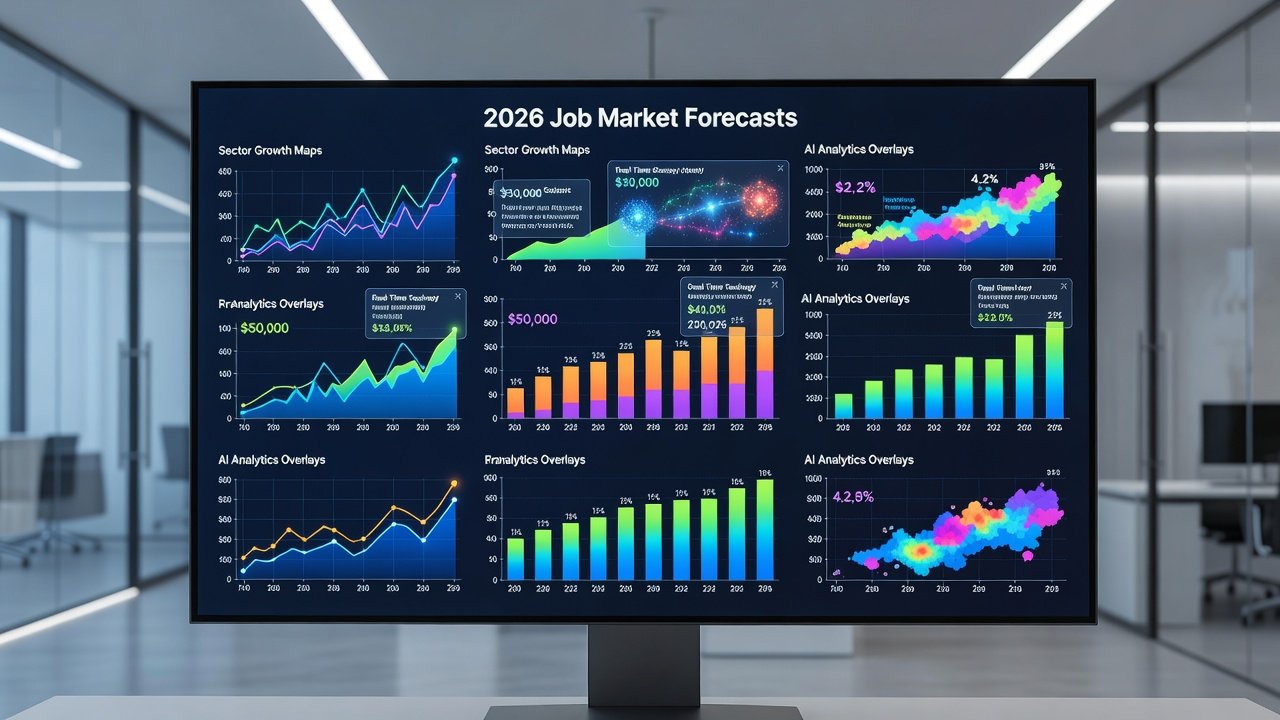
In today's competitive job market, guessing where opportunities will emerge in 2026 is no longer enough. Job seekers who leverage big data tactics can build accurate forecasts, prioritize applications, and land roles faster than those relying on intuition alone. This comprehensive guide explores practical workflows using public labor datasets, AI analytics tools, and industry reports to identify high-growth sectors and predict openings across fields like technology, healthcare, renewable energy, and advanced manufacturing. By integrating keyword data from job boards and focusing on predictive signals, you can transform raw information into targeted strategies that directly support effective job search and job hunting practices. Whether you are an experienced professional or recent graduate, these methods help align your skills with emerging demand, reducing application volume while increasing response rates. The 2026 landscape will favor candidates who anticipate shifts driven by automation, sustainability goals, and digital transformation.
Key Public Labor Datasets for 2026 Forecasting
Begin with authoritative sources such as the Bureau of Labor Statistics for detailed employment projections. Their Occupational Outlook Handbook provides data through 2032, enabling extrapolation of 2026 trends in high-growth areas including data science, cybersecurity, and green jobs. Supplement this with Census Bureau statistics on regional population and industry expansion to identify geographic hotspots where hiring will accelerate. Another valuable resource is the OECD labor market indicators, offering international comparisons useful for professionals considering global opportunities. Download raw CSV files from these portals and apply filters in spreadsheet software to isolate occupations with projected annual growth exceeding eight percent. Cross-reference multiple datasets to account for economic variables like inflation or policy changes that could alter trajectories by mid-decade.
Step-by-Step: Building Your Opportunity Forecast
Creating a reliable forecast requires a structured approach. First, collect baseline data from government portals on projected openings by sector and occupation. Second, apply filters for high-growth areas such as artificial intelligence, sustainable manufacturing, and telehealth services. Third, cross-reference historical hiring patterns from the past five years to identify seasonal spikes and recurring demand cycles. Fourth, validate forecasts against recent quarterly economic reports and adjust for unexpected shifts like supply chain disruptions. Fifth, document your assumptions in a tracking spreadsheet so you can refine the model monthly. This workflow typically requires four to six hours on the initial pass but becomes faster once templates are established. Many job seekers automate portions using free scripts to pull updated data feeds automatically.
Integrating AI Analytics Tools into Daily Job Hunting
Free tools like Google Trends reveal rising search interest in specific job-related terms, while platforms such as LinkedIn analytics provide deeper sentiment insights from professional networks. Compare outputs across sources to spot emerging roles before they appear on public boards. For instance, sustained spikes in queries for "remote data analyst" or "sustainability consultant" often precede actual postings by two to three months. Paid AI solutions add predictive modeling that factors in macroeconomic indicators and competitor hiring activity. When evaluating tools, test both free tiers and trial versions to determine which features justify ongoing investment for your target sectors. Combining these insights with traditional labor statistics creates a layered view that improves forecast precision.

Using Job Board Keyword Data to Refine Searches
Export or scrape listings from major job boards and analyze keyword frequency with accessible tools such as spreadsheet functions or open-source libraries like pandas. Focus on phrases indicating demand, such as "entry-level machine learning engineer" or "cloud security specialist," to gauge real-time interest. Prioritize applications where your existing skills match at least seventy percent of trending requirements, then identify quick upskilling opportunities for gaps. Track changes in keyword volume weekly to detect emerging sub-specialties. This data-driven filtering prevents wasted effort on saturated roles and directs energy toward openings with higher predicted success rates. Over time, maintain a personal keyword database that evolves alongside market signals.
Free Versus Paid Tools: Detailed Comparison
Free options deliver solid foundations for basic trend identification and keyword tracking but often lack advanced forecasting algorithms or real-time alerts. Paid platforms typically include customized dashboards, automated reporting, and integration with multiple data sources, proving valuable for candidates conducting intensive searches in competitive industries. Evaluate based on your application volume, desired speed of results, and budget constraints. Many professionals begin with free resources to build initial forecasts before upgrading for refinement during active application phases. The decision ultimately depends on how quickly you need to convert insights into interviews.
Real-World Examples of Data-Backed Job Searches
One mid-career professional tracked Bureau of Labor Statistics healthcare projections and submitted early applications to telehealth coordination roles, securing interviews three months ahead of peers who waited for postings. Another candidate analyzed keyword clusters from multiple boards to refine LinkedIn outreach messaging, resulting in a thirty percent higher response rate within the technology sector. A recent graduate combined OECD international data with regional Census figures to target sustainable energy positions in growing metropolitan areas, landing a role within eight weeks. These cases demonstrate how systematic data use shortens timelines and improves outcomes compared with generic application strategies.
Prioritizing Applications with Predictive Signals
Rank opportunities by combining growth projections, keyword alignment scores, and historical application-to-interview ratios from your own records. Apply earliest to roles exhibiting consistent upward trends and lower competition metrics derived from posting frequency analysis. Revisit your ranking model every two weeks to incorporate fresh data. This disciplined prioritization ensures limited time and energy focus on the highest-probability targets, turning broad market intelligence into concrete job search advantages.
Common Mistakes to Avoid When Forecasting
Many job seekers over-rely on a single dataset without cross-validation, leading to outdated conclusions. Others neglect to update models frequently enough, missing rapid shifts caused by technological breakthroughs. Avoid treating projections as guarantees; always maintain flexibility to pivot when new quarterly reports emerge. Finally, do not ignore privacy considerations when testing analytics platforms—stick exclusively to anonymized public sources until comfortable with terms of service.
FAQ on Accuracy and Privacy
How accurate are these forecasts?
Public datasets achieve roughly eighty to eighty-five percent accuracy for broad occupational categories when refreshed quarterly, though specific roles fluctuate with sudden economic events or policy announcements.
What privacy protections should I observe?
Use only anonymized public data sources and review platform privacy policies before uploading any personal information. Never share sensitive details when experimenting with new analytics tools.
Can small changes in data inputs significantly alter predictions?
Yes, minor adjustments to growth thresholds or geographic filters can shift priority sectors, which is why monthly validation against fresh reports remains essential.
Is combining multiple tools necessary for reliable results?
Layering government statistics with AI trend tools and keyword analysis produces the most robust forecasts, reducing blind spots that single-source approaches often create.
Conclusion
Mastering big data tactics equips you to forecast 2026 job openings with greater confidence and precision. Implement these expanded workflows today to streamline your job search, minimize wasted applications, and secure offers in high-growth sectors aligned with your skills and career goals.

No comments yet. Be the first!