 Jobboy

Introduction
In the competitive 2026 job market, traditional networking on platforms like LinkedIn often feels saturated. Podcasts offer a fresh, direct channel to reach industry leaders and hiring managers who actively seek insightful conversations. This comprehensive guide walks job seekers through identifying the right shows, crafting compelling pitch emails for guest spots or listener questions, preparing thoroughly for interviews, and leveraging appearances to showcase expertise. You will also learn how to repurpose content effectively and measure success through follow-up job leads. By the end, you will have actionable strategies to stand out in an unconventional yet powerful way.
Why Podcasts Excel as a Networking Tool
Podcasts allow authentic, in-depth conversations that showcase expertise far beyond a static resume or LinkedIn profile. Listeners, including decision-makers and hiring managers, tune in specifically for valuable insights, creating a high-trust environment for building relationships. Unlike fleeting social media messages, a podcast appearance generates ongoing visibility through episode replays, shares, and clips that continue circulating long after recording. This format fosters genuine connections because hosts often become advocates for their guests within their professional circles.
Identifying the Right Podcasts
Begin by searching major directories using targeted keywords such as your industry niche combined with terms like "career growth" or "industry insights." Prioritize mid-sized podcasts with engaged, niche audiences rather than massive mainstream shows, as these hosts are more accessible and their listeners are often highly relevant decision-makers. Review recent episode topics to ensure alignment with your expertise, and note hosts who frequently welcome guests or answer listener questions. Tools like podcast apps and search engines help narrow options quickly. Cross-reference guest lists on show websites to avoid overlaps and confirm openness to new voices.
Crafting Effective Pitch Emails
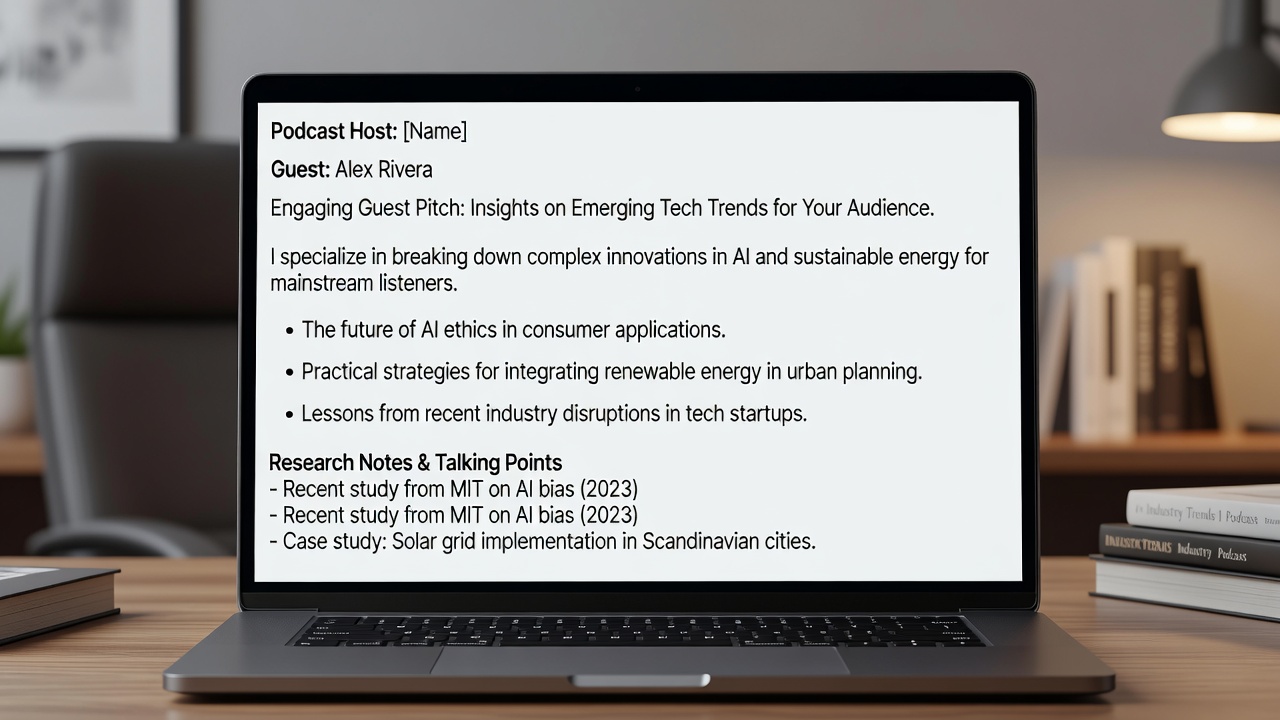
A strong pitch email must be concise yet packed with value. Start with a personalized hook that references a specific recent episode to demonstrate genuine interest. Clearly explain your unique angle and the concrete value you bring to the audience, followed by two or three bullet points outlining discussable topics. Include a brief professional bio and attach a one-page media kit summarizing your background. Test subject lines such as "Guest Idea: Practical Strategies for [Industry Topic]" to boost open rates. Always follow up politely after seven to ten days if no response arrives. Real-world success often comes from tailoring each pitch rather than using generic templates.
Step-by-Step Interview Preparation
Thorough preparation separates memorable appearances from forgettable ones. First, research the host’s background, previous episodes, and listener demographics in detail. Prepare five to seven key stories that illustrate problem-solving, results, and lessons learned, keeping each answer under sixty seconds. Practice aloud with a timer to refine pacing and eliminate filler words. Test your recording setup, including microphone quality, internet stability, and a quiet environment free from distractions. Prepare three backup questions in case the conversation slows. Finally, rehearse handling curveball questions by staying calm and redirecting to your strengths.
Audio vs Video Podcast Formats Compared
Audio-only podcasts emphasize voice, storytelling, and ideas, making them ideal for introverts who prefer focusing purely on content without visual pressure. Video formats on platforms like YouTube add body language and facial expressions but demand higher production values such as lighting and on-camera presence. Choose audio when your goal is deep expertise sharing with less logistical hassle; opt for video if you want broader reach and are comfortable on camera. Many successful job seekers start with audio to build confidence before expanding.
Repurposing Podcast Content for Maximum Reach
Transform each appearance into multiple assets by clipping standout quotes or lessons into short LinkedIn posts with captions that highlight your expertise. Create portfolio case studies based on projects discussed during the episode. Share audio snippets across professional networks, adding context that positions you as a thought leader. This multiplies the networking impact, turning one conversation into weeks of visibility and new connection requests from recruiters and peers.
Measuring Success and Securing Job Leads
Track both quantitative metrics like episode downloads and qualitative signals such as direct messages or social shares. Follow up with hosts and engaged listeners via personalized emails within forty-eight hours, referencing specific discussion points. Monitor job applications or interviews that trace back to podcast connections, with many candidates reporting at least one tangible lead per well-executed appearance. Use simple spreadsheets to log outreach and outcomes for continuous improvement.
Real-World Examples of Podcast-Driven Career Moves
A marketing specialist secured a senior role at a growing tech company after appearing on a niche growth-hacking podcast; the host later personally recommended her to a hiring manager. In another case, a data analyst repurposed three episode clips into LinkedIn content that attracted recruiter attention, leading to three interviews within a month. These stories illustrate how consistent, value-driven participation converts into concrete opportunities.
Common Mistakes to Avoid
Many job seekers fail by pitching too broadly without researching the show or by treating the appearance as a sales pitch rather than a conversation. Avoid poor audio quality, rambling answers, or neglecting follow-up. Another frequent error is failing to repurpose content, which leaves potential networking value untapped. Always prioritize relevance and professionalism to prevent damaging your personal brand.
FAQ: Common Concerns for Job Seekers
- How much time does this require? Plan on five to ten hours per pitch and appearance, covering research, preparation, recording, and follow-up outreach.
- Are podcasts suitable for introverts? Yes. Begin with written pitches and audio-only formats, then use scripted talking points to manage anxiety while still delivering authentic value.
- What if pitches receive no responses? Treat silence as normal in outreach; refine your angle, personalize further, and continue sending targeted pitches to new shows.
- How do I handle nerves during recording? Practice breathing exercises beforehand and remember the host wants a great episode, so focus on helping the audience rather than perfection.
Conclusion
Podcasts represent an underutilized yet highly effective path to meaningful professional connections in 2026. By systematically targeting relevant shows, delivering genuine value during appearances, and repurposing content strategically, job seekers can transform conversations into lasting relationships and career opportunities. Start with one well-researched pitch this week to begin building momentum and differentiating yourself from the crowd.


No comments yet. Be the first!