 Jobboy
Introduction to Metaverse Job Hunting in 2026
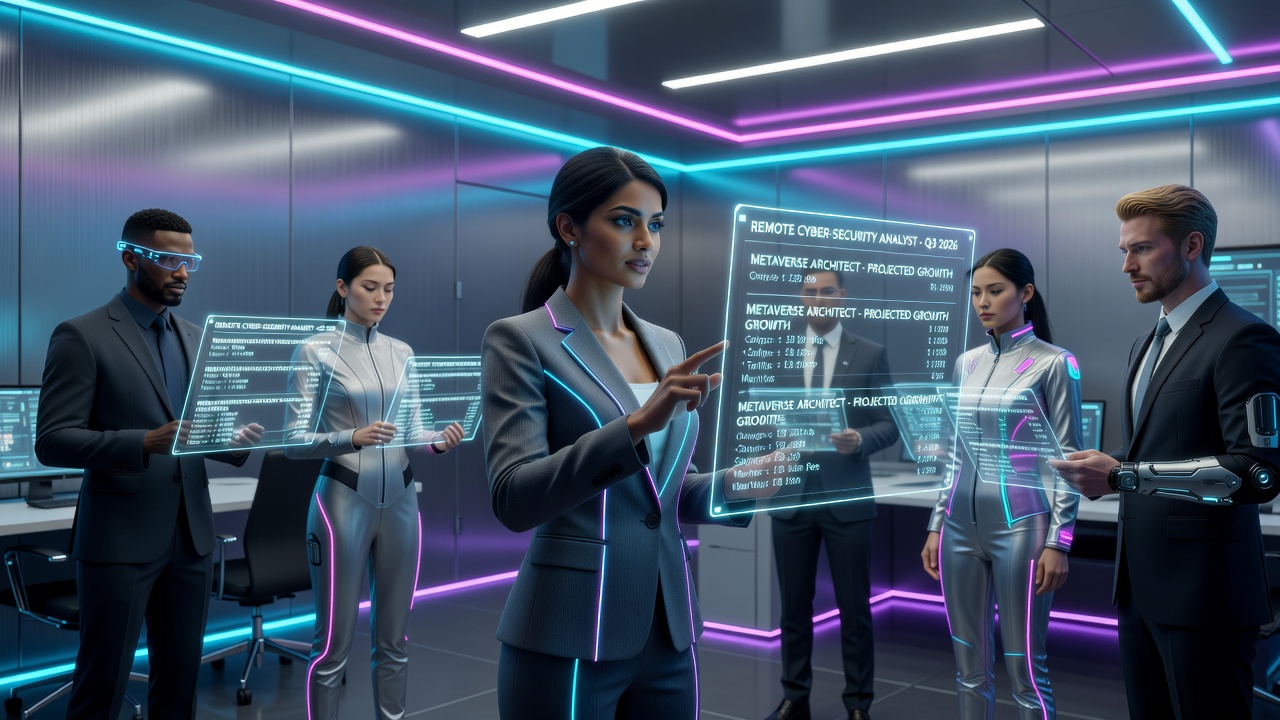
The metaverse continues to evolve as a major employment frontier in 2026, offering job seekers new opportunities beyond traditional office settings. Virtual roles span design, event management, education, and technical support within immersive environments. This guide provides actionable steps for identifying roles, developing necessary skills, and navigating specialized platforms to land positions in VR and AR spaces. As more organizations invest in persistent virtual worlds, the demand for professionals who can operate effectively inside these spaces grows steadily. Job hunters who understand how to position themselves in this ecosystem gain a competitive edge over those limited to conventional search methods.
Identifying Virtual Roles on VR Platforms
Virtual roles appear across platforms like Meta Horizon Worlds, Roblox, and Decentraland. Job seekers should monitor these environments for openings in avatar moderation, spatial design, and virtual event coordination. Many companies post listings directly in-world or through integrated job boards that connect to VR headsets. Focus on keywords such as "immersive experience designer" or "metaverse community manager" when searching. Additional opportunities exist in virtual real estate development, immersive training simulation creation, and digital asset curation. Exploring platform-specific forums and attending regular in-world meetups reveals unadvertised positions that recruiters fill through direct referrals. Monitoring announcements from major technology firms expanding their metaverse presence also uncovers emerging openings before they reach general job sites.
Required Digital Skills for Success
Core competencies include avatar creation using tools like Blender or Unity, alongside spatial computing knowledge for building interactive 3D environments. Proficiency in platforms such as Unreal Engine helps candidates stand out. Additional skills involve understanding blockchain for virtual asset management and basic scripting for interactive experiences. Job hunters benefit from certifications in VR development offered by recognized tech providers. Learning pathways often start with free tutorials on modeling fundamentals before progressing to advanced topics like real-time rendering optimization and user interaction design. Mastering cross-platform compatibility ensures candidates can contribute to projects spanning multiple virtual ecosystems. Practical experience through personal projects or open-source contributions demonstrates capability more effectively than theoretical knowledge alone.
Step-by-Step Application Processes on Metaverse Job Boards
Start by creating profiles on dedicated metaverse job boards that integrate with VR. Upload a digital resume optimized for spatial viewing, then apply through in-platform portals. Follow up with virtual networking events hosted in the metaverse. Track applications using spreadsheets that note platform, role, and response timelines for efficient management. After submitting an application, prepare a short spatial demo that highlights relevant work, as many hiring managers request live walkthroughs rather than static documents. Customize each submission to reference specific features of the target virtual environment. Set calendar reminders to revisit older listings, since some roles remain open for extended periods while companies evaluate multiple candidates in immersive settings.
Building a Metaverse Portfolio
A strong portfolio showcases 3D projects, virtual world builds, and interactive demos hosted on accessible links. Include case studies demonstrating problem-solving in immersive settings, such as designing accessible virtual spaces. Host your portfolio in a personal metaverse gallery for recruiters to explore interactively. Organize sections by skill type, starting with foundational modeling work and advancing to complex multi-user experiences. Add annotations explaining technical decisions and user feedback received during testing phases. Update the portfolio regularly with new projects that reflect current platform updates and emerging design standards. Recruiters frequently spend extended time inside well-constructed galleries, making visual polish and navigation ease critical success factors.

Comparing Traditional vs Virtual Interviews
Traditional interviews focus on verbal responses in physical or video settings, while virtual metaverse interviews emphasize avatar presence, spatial navigation, and real-time collaboration in 3D. Prepare by testing headset compatibility and practicing gestures that convey professionalism. Virtual formats often include live demonstrations of skills within the environment itself. Candidates should rehearse entering and exiting shared spaces smoothly while maintaining eye-level avatar positioning. Traditional interviews rarely test technical execution on the spot, whereas metaverse versions may require immediate creation of simple objects or navigation of complex terrain. Understanding these differences allows applicants to allocate preparation time effectively across both formats when pursuing hybrid opportunities.
Practical Checklists for Metaverse Job Seekers
- Update avatar to reflect professional branding with appropriate attire and accessories.
- Research company virtual headquarters before applying.
- Test spatial computing tools and ensure hardware compatibility.
- Prepare examples of past immersive projects for interviews.
- Network in metaverse events at least twice weekly.
- Review platform terms of service for each environment where roles are sought.
- Backup portfolio files in multiple cloud locations for quick access during demonstrations.
- Practice voice modulation and body language within VR to appear confident and approachable.
Real-World Examples from Companies Hiring in Immersive Environments
Tech firms like those building on Meta platforms actively recruit for virtual roles in content moderation and world-building. Educational institutions use metaverse spaces for remote teaching positions, while brands hire event coordinators for virtual product launches. These examples highlight the shift toward immersive hiring as companies expand digital footprints. Entertainment studios frequently seek talent for live virtual concerts and interactive storytelling experiences. Retail organizations experiment with virtual showrooms, creating demand for specialists who can merge commerce with spatial design. Observing hiring patterns on Roblox reveals consistent needs for community managers and experience creators who understand younger user demographics.
Salary Comparisons and 2026 Trends
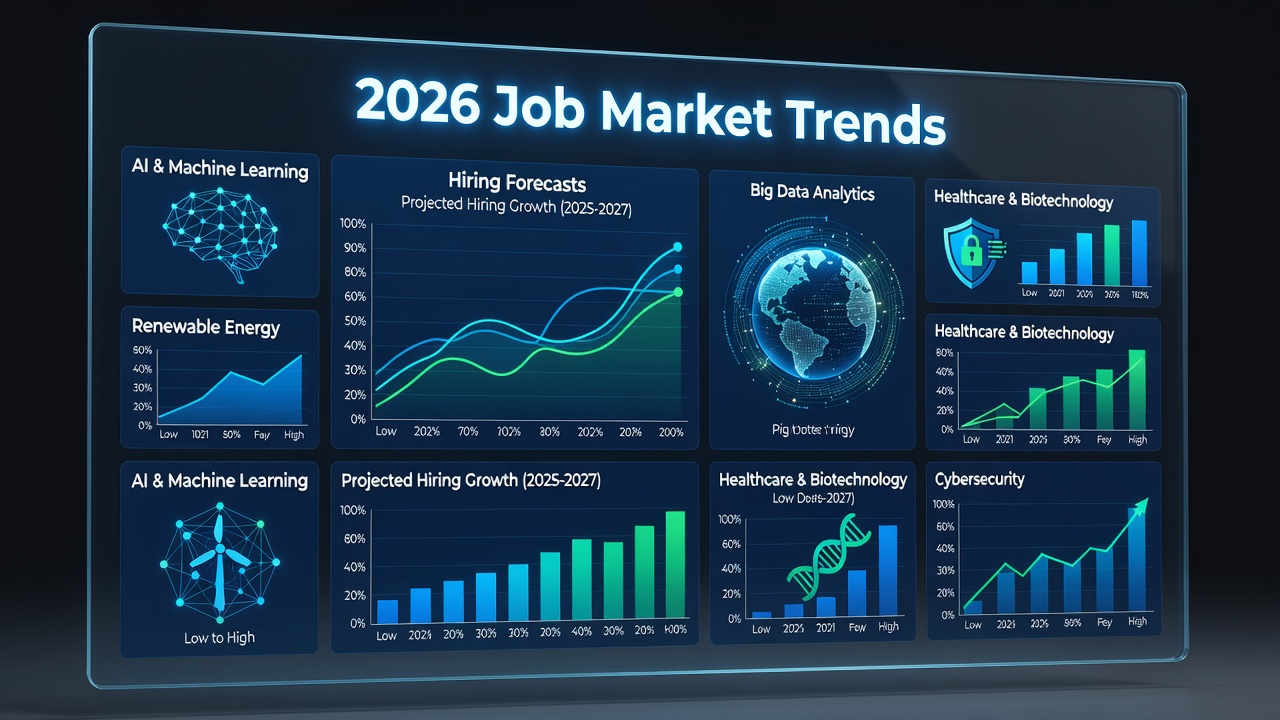
Virtual roles in the metaverse often provide competitive compensation packages relative to traditional remote positions, reflecting demand for specialized spatial skills as of 2026-09-02. Trends indicate growth in hybrid models combining virtual and physical elements, with emphasis on work-life balance through flexible scheduling in immersive settings. Organizations increasingly value candidates who can bridge physical and digital workflows, leading to roles that combine occasional in-person collaboration with daily metaverse responsibilities. Monitoring industry reports helps job seekers anticipate which skill combinations will command premium interest over the coming months.
Overcoming Common Challenges in Virtual Job Searches
Technical glitches during applications or interviews represent frequent obstacles. Maintaining backup hardware and stable internet connections mitigates these risks. Another challenge involves building credibility without physical presence; consistent participation in community events and transparent sharing of work samples addresses this gap. Time zone differences across global virtual teams require clear communication protocols from the outset. Candidates who document their availability and preferred collaboration hours early in the process reduce scheduling friction significantly.
Networking Strategies Within Metaverse Communities
Active engagement in regular virtual conferences, workshops, and casual meetups accelerates relationship building. Joining specialized groups focused on particular platforms or skill areas provides targeted visibility. Offering to assist with small volunteer tasks inside existing projects often leads to paid opportunities. Following up promptly after initial conversations with personalized messages referencing shared experiences strengthens connections. Long-term networking yields referrals that bypass formal application channels entirely.
FAQ: Common Concerns About Metaverse Employment
What equipment costs should I expect?
Entry into metaverse roles typically requires a quality VR headset and computer capable of handling 3D rendering. Costs vary by setup but remain accessible with mid-range options available for most users.
How does work-life balance differ in virtual settings?
Virtual work allows seamless transitions between environments but requires boundaries to prevent burnout from constant connectivity. Many professionals report improved flexibility when managing time across digital and physical spaces.
Are there age or location restrictions for these roles?
Most positions welcome applicants from diverse geographic regions provided they meet technical requirements. Age considerations align with standard labor laws rather than platform-specific limits in most cases.
Conclusion
Metaverse job hunting opens doors to innovative careers in 2026. By mastering key skills, leveraging specialized boards, and preparing targeted portfolios, job seekers can successfully transition into virtual roles. Apply these strategies consistently to maximize opportunities in this expanding field. Continued learning and active community involvement remain essential for sustained success as the metaverse landscape matures.

No comments yet. Be the first!