 Jobboy

In today's competitive job market, a strong resume is just the starting point. Employers increasingly want tangible proof of your abilities through portfolios and work samples. This guide provides in-depth strategies for preparing and presenting these materials effectively during interviews in 2026. Candidates who invest time in curating compelling evidence of their work consistently outperform those who rely solely on verbal descriptions or bullet points on a resume. By showcasing tangible results, you transform abstract claims into concrete demonstrations that interviewers can evaluate directly.
Why Portfolios Matter More Than Ever
Resumes summarize experience, but portfolios demonstrate real outcomes. They allow candidates to show problem-solving, creativity, and technical proficiency in action. Whether you're in design, software development, marketing, or project management, a well-curated portfolio sets you apart from applicants who present identical credentials on paper. In 2026, hiring managers report spending less time scanning resumes and more time requesting visual or interactive proof of skills, making portfolios essential differentiators in crowded applicant pools. A portfolio also signals professionalism and attention to detail, qualities that extend beyond any single project.
Selecting Relevant Samples Aligned with Job Descriptions
Begin by analyzing the job posting. Identify key skills and responsibilities, then choose 4-6 samples that directly map to them. For a UX designer role, prioritize user research case studies over general graphic work. Avoid including every project you've completed; relevance trumps quantity. Consider the company's industry and pain points mentioned in the description. If the role emphasizes data-driven decisions, select samples that include metrics and before-after comparisons rather than purely aesthetic work. Tailor selections across multiple applications instead of using a generic set for every opportunity.
Examples Across Fields
In creative industries like graphic design, include branding campaigns with client testimonials. Technical candidates might feature code repositories showing iterative improvements. Marketing professionals can highlight campaign performance dashboards that illustrate ROI improvements.
Organizing Digital or Physical Formats for Easy Sharing
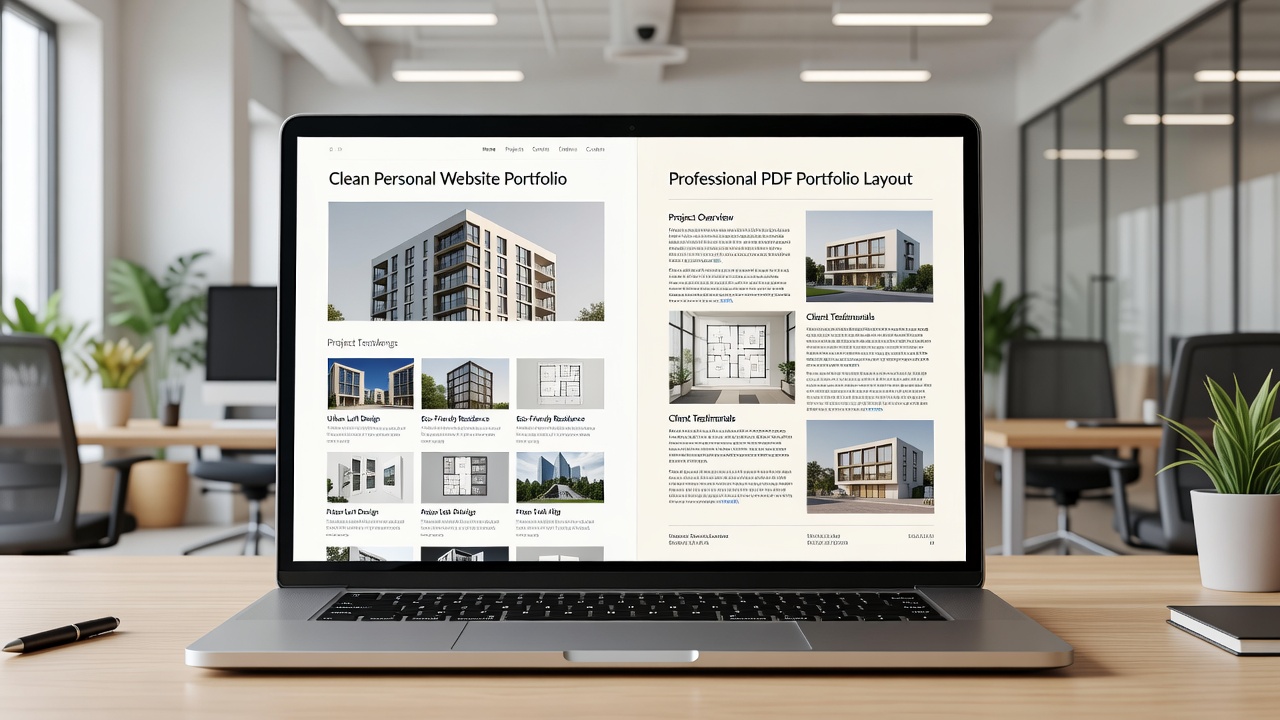
Digital formats offer flexibility. Compare options carefully: a personal website provides interactive navigation and multimedia, while a PDF ensures consistent viewing across devices. Websites excel for ongoing updates but require reliable internet; PDFs are offline-friendly yet static. Many professionals also maintain cloud-based folders for quick sharing during virtual meetings. Physical portfolios remain valuable for in-person interviews in fields like architecture or industrial design, where tactile review adds impact.
Behance serves as an excellent platform for hosting digital portfolios in creative fields, while LinkedIn allows integration of work samples directly into professional profiles for broader visibility.
Step-by-Step Preparation Checklist
- Review the job description and list required competencies in a spreadsheet for easy reference.
- Select samples and write concise descriptions for each covering context, your specific role, challenges faced, and measurable results.
- Organize materials in logical order, starting with your strongest example that best matches the role's top requirement.
- Prepare both digital and printed versions for flexibility, ensuring all files are compressed for quick loading.
- Practice explaining each sample in under two minutes using clear, jargon-free language.
- Test all links, files, and embedded media on multiple devices 48 hours before the interview.
- Prepare backup copies on a USB drive and cloud storage in case of technical issues.
- Anticipate follow-up questions about your decision-making process and rehearse thoughtful responses.
Common Pitfalls to Avoid
Overwhelming interviewers with too much content is a frequent mistake. Limit your presentation to the most impactful pieces and allow time for discussion. Another error is failing to explain your specific contributions—always clarify your role in team projects using phrases like "I led the research phase while collaborating on design implementation." Neglecting to update older samples can make your work seem outdated, so refresh at least one project quarterly. Finally, skipping a narrative arc leaves interviewers without context on how each sample fits your overall career progression.
Tailoring Presentations to Highlight Achievements
Frame each sample around the STAR method: Situation, Task, Action, Result. Quantify outcomes where possible, such as increased user engagement or reduced processing time. Customize your narrative to the company's challenges mentioned during the interview. Begin with a brief overview slide or page that connects your portfolio directly to the job requirements. End each example with a short reflection on lessons learned and how those insights would apply to the target role.
Real-World Examples from Creative and Technical Fields
A graphic designer might showcase a rebrand project with before-and-after visuals, client feedback, and timeline breakdowns. In software engineering, include GitHub repositories or live demos of apps that solved specific business problems, accompanied by commit histories showing your contributions. Marketing professionals often highlight campaign metrics from analytics platforms, explaining strategy adjustments that led to improved conversion rates. Project managers can present case studies featuring Gantt charts and stakeholder communications that resolved scope creep.
Virtual Versus In-Person Delivery
For virtual interviews, use screen sharing effectively and have backup files ready on a second device. Ensure your background is professional and lighting highlights any physical samples if shown on camera. Test video quality and audio levels beforehand. In-person settings allow for tactile materials like printed booklets, which can create memorable interactions when handed across the table. Bring duplicates so multiple interviewers can review simultaneously without passing a single copy.
Additional Tools and Platform Comparisons
Beyond basic websites and PDFs, consider specialized tools like Figma for interactive prototypes or Notion for organized case study libraries. Each platform has trade-offs in accessibility, customization, and loading speed. Evaluate based on your field's norms and the interview format expected.
FAQs on Handling Non-Traditional Roles
How do I build a portfolio without client work? Use personal projects, open-source contributions, or volunteer efforts. Document the process thoroughly with research notes and iterations.
What if my role is highly confidential? Create anonymized case studies that focus on processes and results without revealing sensitive data.
Should I include unsuccessful projects? Selectively yes, if you can articulate what you learned and how you improved afterward, demonstrating growth mindset.
Conclusion
Effectively showcasing portfolios requires thoughtful selection, clear organization, and confident delivery. By following these strategies, candidates can transform interviews into compelling demonstrations of their value. Start preparing your materials today to stand out in 2026's job market and increase your chances of securing the role you want.


No comments yet. Be the first!