 Jobboy
Introduction
Securing an internship in 2026 demands preparation that sets you apart from other students and recent graduates. Unlike full-time roles, internship interviews prioritize potential, adaptability, and enthusiasm over years of professional experience. This comprehensive guide delivers practical, in-depth strategies to help you excel. You will learn how to research company projects thoroughly, build a compelling portfolio from academic work, craft concise behavioral responses, navigate group interviews, and negotiate stipends or remote arrangements effectively. By following these steps, you can transform limited experience into a powerful narrative that resonates with recruiters.
Understanding the Key Differences from Full-Time Roles
Internship interviews differ significantly from those for permanent positions. Recruiters focus on your capacity to learn quickly, contribute to team projects, and fit into company culture. They value academic achievements, extracurricular leadership, and demonstrated curiosity. Rather than probing deep work history, interviewers often explore how your coursework aligns with their current initiatives. Prepare by reframing every experience as evidence of growth potential. This mindset shift allows you to stand out even with minimal professional background.
Researching Company Projects Effectively
Thorough research forms the foundation of standout interview performance. Begin with the company’s official website, recent press releases, and social media channels. Identify two to three specific projects or initiatives from the past year and note how interns might contribute. For example, if a tech firm launched an AI ethics program, prepare questions about data annotation tasks or ethical review processes. Cross-reference findings with industry reports from sources like the U.S. Bureau of Labor Statistics to understand broader trends. This preparation enables you to ask insightful questions and connect your background directly to their needs during the conversation.
Building a Simple Portfolio of Coursework
A well-organized portfolio showcases tangible evidence of your skills when professional experience is limited. Use accessible platforms such as Google Sites, Notion, or a personal website to compile three to five academic projects. For each project, include a brief description, your specific role, tools utilized, challenges overcome, and measurable outcomes. One strong example might detail a semester-long market analysis project where you led data collection using free survey tools, resulting in actionable recommendations presented to faculty. Update the portfolio regularly and include links to code repositories or design files when relevant. This resource becomes invaluable during interviews when you need concrete examples.

Practicing Concise Responses to Behavioral Questions
Behavioral questions remain central to internship interviews. Apply the STAR method—Situation, Task, Action, Result—but keep responses between 60 and 90 seconds. Prepare multiple 2026-relevant examples in advance. One sample answer: “During a group economics project, our team encountered conflicting data sources (Situation). I was responsible for reconciling the datasets (Task). I implemented a standardized verification process using spreadsheet functions (Action), which allowed the team to complete the analysis two days early and earn top marks (Result).” Practice aloud and record yourself to refine clarity and pacing. Anticipate questions about teamwork, problem-solving, and leadership, then adapt your stories accordingly.
Handling Group Interviews Common in Internships
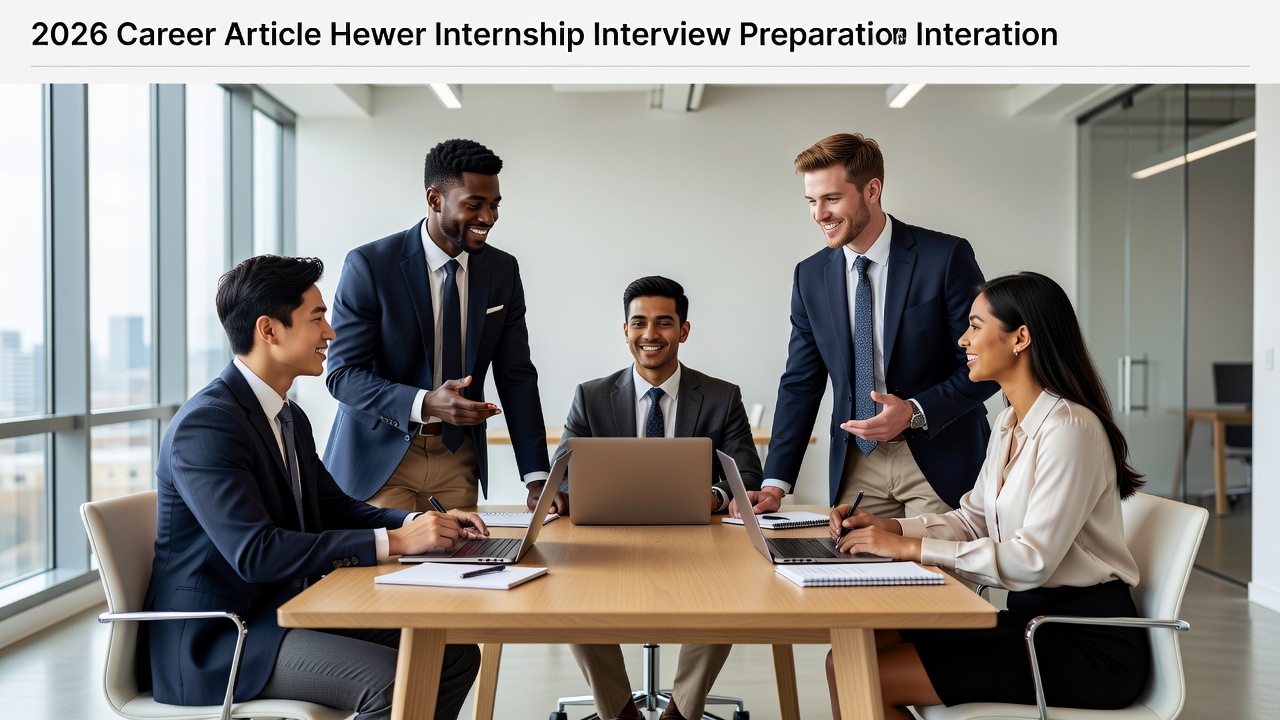
Many internship programs incorporate group interviews to evaluate collaboration skills. These sessions often include case discussions or collaborative problem-solving exercises. Success depends on active listening, building on others’ ideas, and contributing thoughtfully without dominating. Prepare by joining study groups to simulate these environments and practicing timed responses. A useful checklist includes reviewing common case prompts, preparing one distinctive insight per topic, and following up on peers’ comments to demonstrate teamwork. Employers notice candidates who balance individual contribution with group dynamics.
Step-by-Step Checklist for Group Interview Preparation
- Research the company’s recent projects and prepare two discussion points
- Practice active listening techniques with classmates
- Develop concise ways to introduce your ideas
- Prepare follow-up questions that invite input from others
- Review virtual meeting etiquette if the session is remote
Negotiating Stipends or Remote Options
Compensation discussions require preparation and professionalism. Research typical internship stipends through government resources such as the U.S. Department of Labor. Approach the topic by first expressing strong interest in the role, then asking about available support structures. Frame requests around mutual benefit, such as how remote flexibility could enhance your productivity. If the organization offers only unpaid opportunities, explore alternatives like academic credit or flexible scheduling. Always maintain a positive tone and confirm details in writing after verbal agreements.
Additional Preparation Areas
Beyond core topics, tailor your resume to highlight relevant coursework and leadership roles. Optimize your LinkedIn profile with a professional photo and summary that emphasizes internship goals. For virtual interviews, test technology in advance, choose a quiet background, and maintain eye contact with the camera. After each interview, send personalized thank-you emails within 24 hours referencing specific discussion points.
Common Mistakes to Avoid
Students often underestimate the value of preparation or provide overly general answers. Avoid vague statements by always backing claims with specific examples. Another frequent pitfall is neglecting to ask questions, which signals lack of interest. Finally, do not overstate experience; authenticity builds trust more effectively than exaggeration.
FAQ on Common Student Pitfalls
How do I address limited experience?
Emphasize transferable skills from academics, clubs, and volunteer work while expressing strong willingness to learn. Provide concrete examples of quick adaptation in past projects.
What if I freeze during an interview?
Pause briefly, restate the question to buy thinking time, and structure your response using STAR. Interviewers expect some nervousness and appreciate composed recovery.
Should I mention salary expectations early?
Defer compensation talks until an offer is extended unless the interviewer raises the topic first. Focus initially on demonstrating fit and value.
Conclusion
Consistent application of these tailored strategies positions you strongly for 2026 internship opportunities. Dedicate time to research, portfolio development, and practice to convert academic experiences into compelling interview narratives. Additional guidance is available from authoritative sources including the U.S. Department of Labor, the U.S. Bureau of Labor Statistics, and the U.S. Department of Education. Start preparing today to maximize your chances of success.


No comments yet. Be the first!