 Jobboy
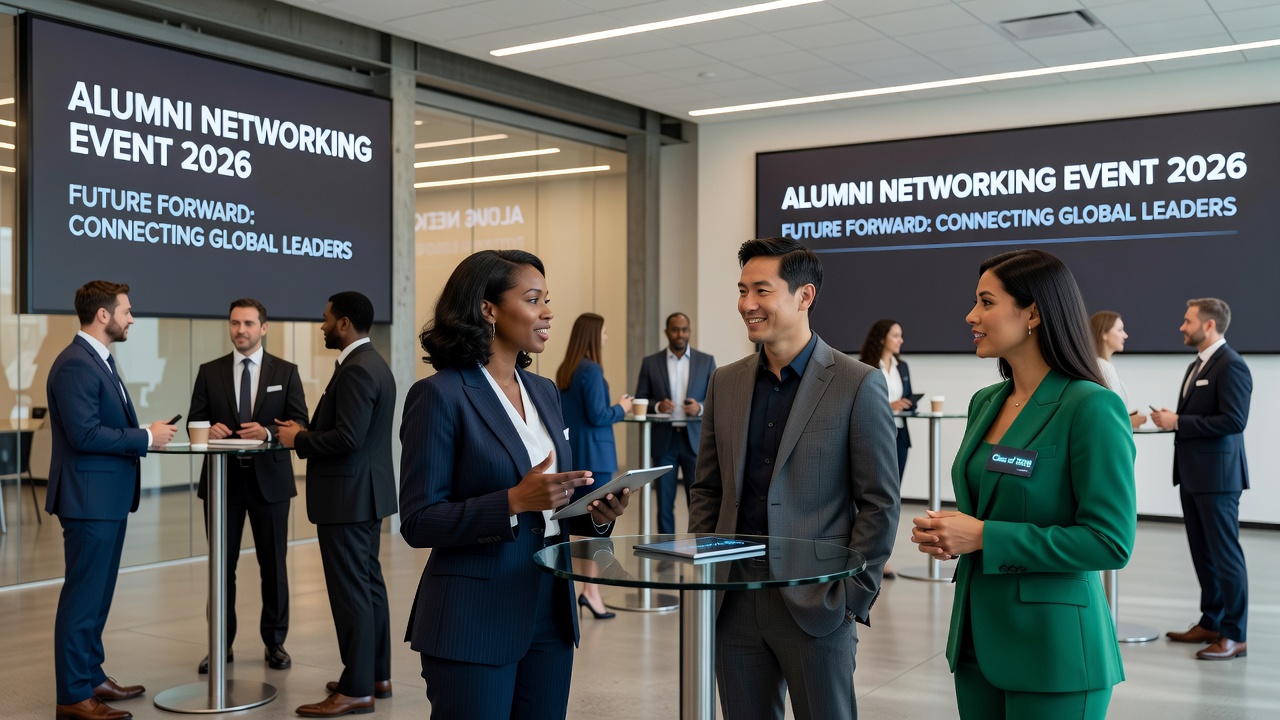
Alumni networks represent one of the most underutilized yet powerful channels for recruiting passive talent in 2026. As traditional job boards grow more expensive and candidates become harder to reach, organizations are turning to former employees and university graduates to build stronger, more cost-effective pipelines. In today’s competitive landscape, where skilled professionals often receive multiple inbound messages weekly, alumni already possess familiarity with company culture, processes, and values. This familiarity translates into faster ramp-up times and stronger long-term performance compared with external hires who must learn everything from scratch.
Why Alumni Networks Excel for Passive Talent Sourcing
Passive candidates rarely apply to postings, yet they often possess the exact skills companies need. Alumni already understand your culture, products, and values, which dramatically shortens onboarding. Research from SHRM shows alumni referrals convert at higher rates than general employee referrals because of shared institutional knowledge. Beyond speed, these candidates tend to stay longer because they rejoin with realistic expectations rather than idealized perceptions formed during the hiring process.
Another advantage lies in reduced sourcing costs. Instead of paying for sponsored job ads or agency fees, companies invest in relationship-building activities that yield ongoing returns. Alumni who feel connected are also more likely to refer other high-caliber professionals, creating a compounding effect that extends the network’s reach far beyond the original employee base.
Building and Nurturing Alumni Relationships
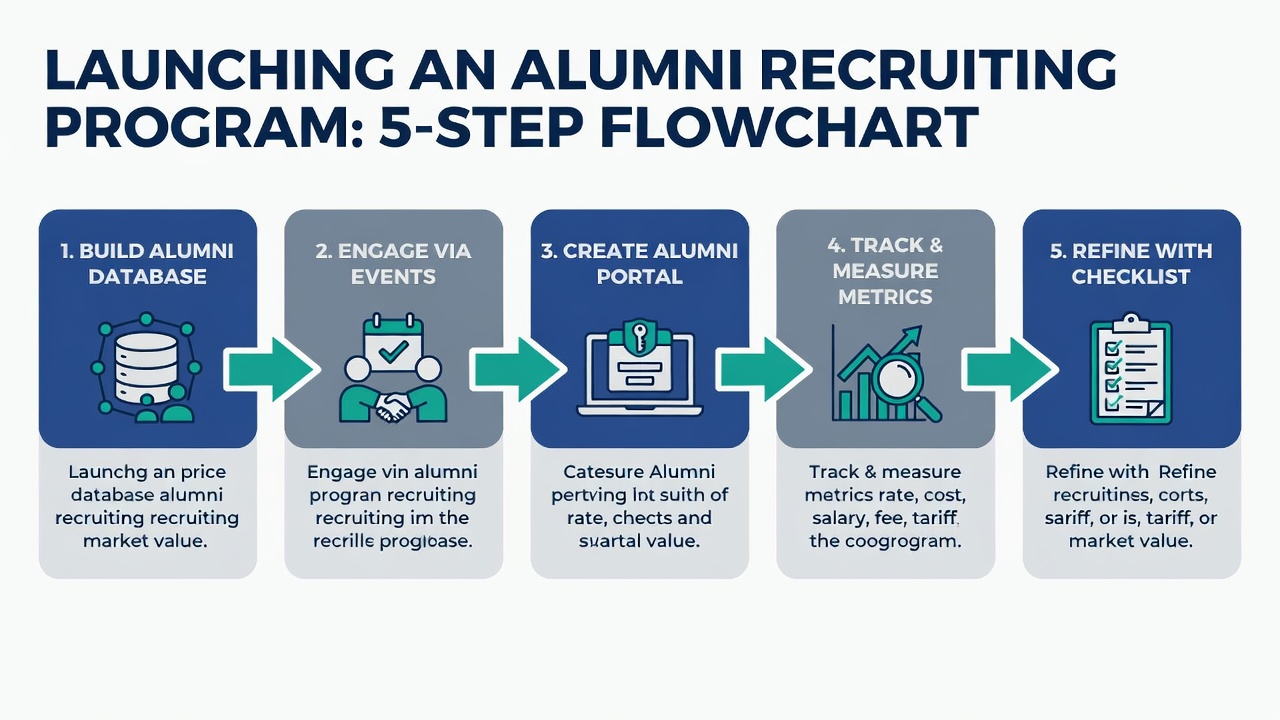
Successful programs start with a centralized database that tracks contact information, career milestones, and engagement history. Companies host annual alumni events, both in-person and virtual, to keep connections warm. Digital platforms such as LinkedIn alumni groups and dedicated portals allow ongoing communication without heavy resource investment. Regular newsletters featuring company updates, job openings, and alumni spotlights maintain visibility. Personalized outreach, such as congratulating members on promotions, strengthens loyalty and increases the likelihood they will consider returning or recommend others.
Segmentation is essential for effective nurturing. Divide alumni by industry, location, skill set, and tenure level so messaging remains relevant. For example, engineering alumni may appreciate technical webinars, while sales alumni respond better to leadership roundtables. Automation tools can trigger these touchpoints, but human personalization remains the differentiator that turns casual contacts into active advocates.
Integrating Alumni Networks with Employer Branding
Employer branding amplifies alumni efforts. Share authentic stories from alumni who rejoined the company on social channels and your careers site. These testimonials carry more weight than generic recruitment marketing because they come from credible insiders. Harvard Business Review notes that alumni who feel proud of their former employer become powerful brand ambassadors. When integrated thoughtfully, alumni content can improve Glassdoor ratings and social proof, indirectly attracting both alumni and non-alumni candidates who value transparent workplace cultures.
Step-by-Step Implementation Guide
Implementation should follow a phased approach rather than a big-bang launch. Begin by auditing existing alumni data and cleaning contact records to ensure accuracy. Next, launch a dedicated alumni portal or LinkedIn group that serves as the central hub for communication and job postings. Schedule quarterly in-person or hybrid events alongside monthly digital touchpoints such as webinars or newsletters. Train recruiters on alumni-specific sourcing techniques, including how to craft personalized InMail messages that reference shared experiences. Finally, measure engagement and tie results directly to open roles so leadership can see clear ROI.
Success Metrics and Comparison to Referrals
Key performance indicators include time-to-hire, cost-per-hire, quality-of-hire scores, and 12-month retention rates. Alumni hires often outperform standard referrals because candidates already self-select for cultural fit. In contrast to traditional referrals that rely on current employees remembering to recommend someone, alumni programs create a persistent, always-on channel. A practical checklist for launch includes defining ownership, setting a content calendar, establishing data privacy protocols, and creating feedback loops with hiring managers. Tracking these metrics monthly allows teams to refine messaging and event formats based on what actually drives applications and acceptances.
Real-World Company Examples
Consulting firms like Deloitte maintain robust alumni programs that consistently yield senior-level talent. Technology companies such as Microsoft leverage university alumni networks to source specialized engineering roles faster than open market searches. These programs demonstrate measurable reductions in time-to-hire while improving long-term retention. Financial services organizations have also reported success by inviting alumni to exclusive industry briefings that double as quiet recruitment opportunities. Across industries, the common thread is consistent investment in the relationship rather than transactional outreach only when roles open.
Practical Checklists for HR Leaders
- Map all touchpoints from graduation or departure through re-engagement.
- Segment alumni by skill set, location, and seniority for targeted campaigns.
- Automate personalized communications using CRM tools while preserving human tone.
- Run A/B tests on messaging to optimize response rates over time.
- Review metrics monthly and adjust tactics quarterly based on performance data.
- Establish clear data governance policies to maintain trust and comply with privacy regulations.
- Train internal teams on how to re-engage alumni respectfully without appearing desperate.
Common Pitfalls to Avoid
Many organizations launch alumni initiatives without clear ownership or measurement frameworks, leading to sporadic activity that fails to build momentum. Others treat the network as a one-way street, only reaching out when roles open. Sustainable success requires consistent value delivery to alumni, whether through career resources, networking opportunities, or recognition programs. Neglecting data hygiene can also damage credibility when messages bounce or reach the wrong person. Finally, avoid over-automating to the point that communications feel impersonal; the most effective programs balance technology with genuine relationship management.
Technology Tools That Support Alumni Programs
Modern alumni recruiting benefits from integrated platforms that combine CRM capabilities with event management and job distribution. Tools that sync with LinkedIn allow seamless updates when alumni change jobs or post achievements. Analytics dashboards help quantify engagement lift after each newsletter or event. When selecting technology, prioritize solutions that integrate with existing ATS and HRIS systems to avoid creating data silos that complicate reporting.
Legal and Ethical Considerations
Any alumni program must respect privacy regulations and obtain appropriate consent for communications. Maintain transparent opt-out processes and avoid sharing personal data without permission. Ethical outreach also means never pressuring alumni to return or refer others. Clear policies protect both the company’s reputation and the trust alumni place in the relationship.
Conclusion
Alumni networks deliver a high-ROI recruiting channel that improves both speed and quality of hires. By investing in structured relationship management, integrating branding efforts, and tracking the right metrics, HR leaders can build a sustainable advantage in the competitive 2026 talent market. Organizations that treat alumni as lifelong partners rather than one-time employees position themselves for continuous access to proven, culturally aligned talent.


No comments yet. Be the first!