 Jobboy

Introduction: Why ERGs Matter for Talent Acquisition in 2026
Employee resource groups (ERGs) have evolved from internal support networks into powerful drivers of talent acquisition. For HR professionals focused on diversity and employer branding, integrating ERGs into recruiting funnels offers authentic representation that resonates with candidates. This guide provides actionable strategies to leverage ERGs effectively in 2026, helping organizations attract top talent while fostering inclusive workplaces that improve long-term retention.
Understanding ERG Roles in Candidate Sourcing
ERGs can identify passive candidates through professional networks, alumni groups, and community events. Members often belong to targeted demographics, enabling more precise outreach than generic job boards. Start by mapping ERG expertise to open roles and creating referral programs that incentivize participation without creating conflicts of interest. Effective sourcing involves ERG members attending industry conferences, moderating virtual panels, and contributing to job descriptions that highlight inclusive culture. This approach builds genuine connections that traditional recruiters may miss.
Building an ERG Talent Acquisition Strategy
Developing a formal strategy begins with aligning ERG goals to broader recruiting objectives. HR leaders should conduct internal audits to identify which ERGs align with high-priority hiring areas such as engineering or sales. Next, establish clear governance that defines participation expectations and protects member time. Integrate ERG input into employer value propositions and create shared dashboards for tracking candidate engagement. Regular strategy reviews ensure the program adapts to market shifts and internal feedback.
Steps to Train ERG Members as Brand Ambassadors
Effective training transforms ERG participants into credible spokespeople. Begin with workshops on storytelling and company values. Provide talking points about career growth and inclusive culture. Role-play scenarios help members handle candidate questions confidently. Schedule regular refreshers to keep messaging current and aligned with business goals. Advanced training can include media coaching and data interpretation so members can discuss workforce demographics accurately.
Key training elements include:
- Communication skills focused on authenticity and active listening
- Legal boundaries around promises made during recruitment conversations
- Use of social media and professional platforms like LinkedIn
- Feedback loops for continuous improvement and scenario debriefs
- Cultural competency modules to handle diverse candidate backgrounds
Organizations that invest in quarterly training sessions see higher engagement from ERG ambassadors and more consistent messaging across events.
Integrating ERGs into the Hiring Funnel
Successful integration places ERGs at multiple touchpoints. During sourcing, members review resumes for cultural signals and participate in initial outreach. In screening, they join panel interviews or host informal coffee chats. Post-offer, ERGs support onboarding by pairing new hires with mentors. This seamless involvement creates a candidate journey that feels supportive rather than transactional.
Real-World Examples from Successful Companies
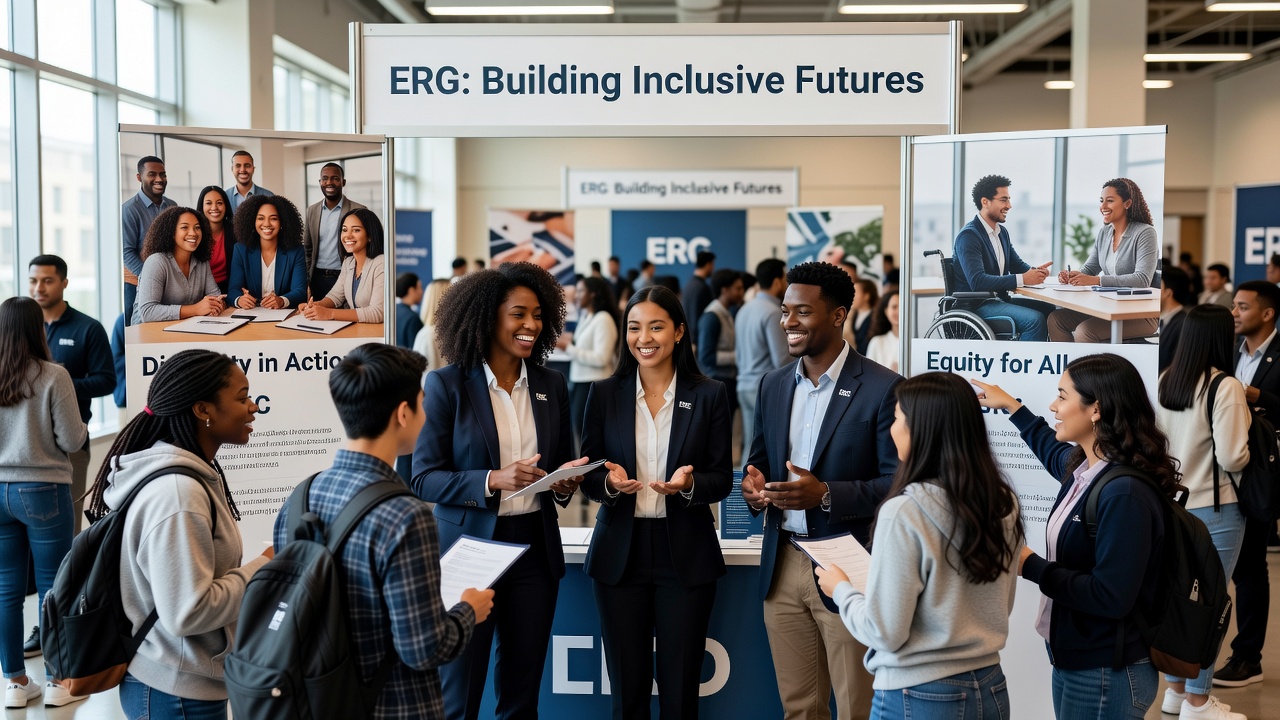
Tech giants like Google have long used ERGs to host targeted recruiting events that attract underrepresented talent. Similarly, financial services firms report higher application rates when ERG members participate in campus visits. Consumer goods companies have implemented ERG-led virtual open houses that resulted in measurable increases in diverse applicant pools. These approaches build trust by showcasing real employee experiences rather than polished marketing alone. One healthcare organization credited its ERG program with a 25 percent rise in qualified applications from specific communities after two years of consistent involvement.
ERG-Driven vs Traditional Recruiting Approaches
Traditional methods rely on job postings and recruiter outreach. ERG-driven recruiting adds peer-to-peer connections that improve candidate experience and conversion rates. While traditional approaches scale easily, ERG integration often yields stronger long-term cultural fit and reduced time-to-hire for specialized positions. Companies comparing both methods frequently discover that ERG-supported hires demonstrate higher engagement scores in the first year. The hybrid model—combining scalable postings with ERG authenticity—tends to deliver the best results across industries.
Common Pitfalls to Avoid
Many organizations rush ERG involvement without clear guidelines, leading to inconsistent messaging or legal risks. Overloading ERG members with recruiting duties can also cause burnout. Establish boundaries, track participation hours, and ensure voluntary involvement remains truly optional. Another frequent mistake is failing to measure outcomes, which leaves programs vulnerable during budget reviews. Proactive communication with leadership about both successes and challenges helps sustain momentum.
Metrics for Measuring Impact on Employee Retention
Track retention rates of hires influenced by ERG referrals versus other sources. Monitor engagement survey scores and promotion velocity within the first 18 months. Compare diversity metrics in applicant pools before and after ERG activation. Additional indicators include offer acceptance rates, time-to-productivity, and internal mobility of ERG-connected employees. These data points demonstrate ROI and guide resource allocation. Authoritative frameworks from the Society for Human Resource Management provide templates for building these measurement systems.
FAQ: Implementation Costs and Legal Considerations
What are typical startup costs for ERG recruiting programs?
Costs vary widely based on company size and scope. Most organizations allocate modest budgets for training materials, event participation, and recognition incentives rather than large capital outlays. Focus on leveraging existing resources first.
Are there legal considerations when involving ERGs in hiring?
Yes. Ensure all activities comply with equal employment opportunity guidelines. Avoid creating the impression that ERG membership influences hiring decisions. Consult legal counsel when developing referral incentives or public-facing campaigns. Authoritative guidance is available from the U.S. Equal Employment Opportunity Commission and the U.S. Department of Labor.
How can small HR teams start without dedicated resources?
Begin with one pilot ERG and focus on low-cost virtual events. Leverage existing member networks before expanding. Document early wins to secure broader support from executives.
What training frequency produces the best results?
Most successful programs conduct initial intensive workshops followed by quarterly refreshers. This cadence keeps skills sharp while respecting members' primary job responsibilities.
Conclusion
Integrating ERGs into talent acquisition creates authentic connections that strengthen employer branding and diversity outcomes. By following structured training, measuring results, and avoiding common pitfalls, HR teams position their organizations for sustained success in 2026 and beyond. Start small, iterate based on data, and maintain compliance at every step for maximum impact.


No comments yet. Be the first!