 Jobboy

Understanding Candidate Ghosting in Modern Recruiting
Candidate ghosting remains a persistent challenge for recruiters, where applicants disappear without notice during the hiring process. In 2026, this issue stems from fast-paced job markets, poor communication, and lengthy processes that frustrate candidates. Addressing it directly improves completion rates and strengthens employer reputation among SMBs and larger organizations alike. Ghosting not only wastes recruiter time but also damages long-term talent pipelines as word spreads through professional networks.
Root causes often include delayed responses, lack of transparency about timelines, and generic outreach that fails to build rapport. Recruiters who ignore these factors risk losing top talent to competitors who prioritize candidate experience. Understanding these triggers is the first step toward creating more reliable hiring funnels that retain interest from application through onboarding.
Root Causes and Their Impact on Hiring Outcomes
Poor communication tops the list of triggers. When candidates wait weeks without updates, they assume disinterest and move on. Lengthy interview stages compound the problem, especially in competitive fields where multiple offers arrive simultaneously. Data from recent industry reports shows ghosting rates can climb above 30% in poorly managed processes, leading to repeated sourcing efforts and inflated time-to-hire metrics.
Other factors include mismatched expectations during initial screening and insufficient personalization that makes candidates feel like numbers rather than valued prospects. SMBs particularly suffer when limited resources stretch thin across high-volume hiring. Additional contributors involve unclear role descriptions that attract unqualified applicants who later disengage and inconsistent follow-through from hiring managers who deprioritize candidate updates amid internal pressures.
Proactive Follow-Up Cadences That Keep Candidates Engaged
Implementing structured follow-up schedules prevents silence from creeping in. Start with an immediate thank-you message within 24 hours of any interaction. Follow this with weekly updates during active stages, adjusting frequency based on process length. Cadences should incorporate multiple channels such as email, SMS, and even LinkedIn messages for higher visibility.
- Day 1: Personalized thank-you email recapping next steps and expressing enthusiasm.
- Day 3-5: Quick check-in via preferred channel with a specific question to encourage reply.
- Week 2: Share relevant company updates or role insights tailored to the candidate's background.
- Post-interview: Detailed feedback within 48 hours, even if negative, to maintain goodwill.
- Offer stage: Daily or every-other-day touchpoints until acceptance to address concerns promptly.
This cadence demonstrates respect and keeps momentum alive. Real-world SMB examples show teams using shared calendars for automated reminders achieve higher response consistency and reduce drop-off by up to 40 percent in their tracked pipelines.
Personalized Engagement Techniques for Stronger Connections
Generic templates drive disengagement. Instead, reference specific details from the candidate's resume or conversation in every message. Video messages from hiring managers add a human touch that email alone cannot match. Incorporate elements like sharing a relevant industry article or inviting the candidate to a virtual company event to deepen the relationship.
Segment outreach by candidate type—entry-level applicants may appreciate career advice links, while senior roles benefit from market trend discussions. These small efforts signal genuine interest and reduce ghosting by fostering loyalty early. Another effective method is preemptive objection handling, where recruiters proactively address common concerns such as salary ranges or relocation requirements before they become reasons for silence.
Leveraging Tech Tools for Timely Responses
Modern recruiting platforms streamline communication without sacrificing personalization. Tools that integrate ATS with messaging apps allow instant notifications and scheduled sequences. AI-assisted drafting ensures responses stay consistent yet tailored to individual profiles. Candidate portals further empower applicants to check status independently, reducing anxiety that often leads to ghosting.
Choose platforms offering robust analytics to identify drop-off points in real time. This transparency cuts down on follow-up inquiries and builds trust. Integration with calendar tools also prevents scheduling mishaps that erode confidence. 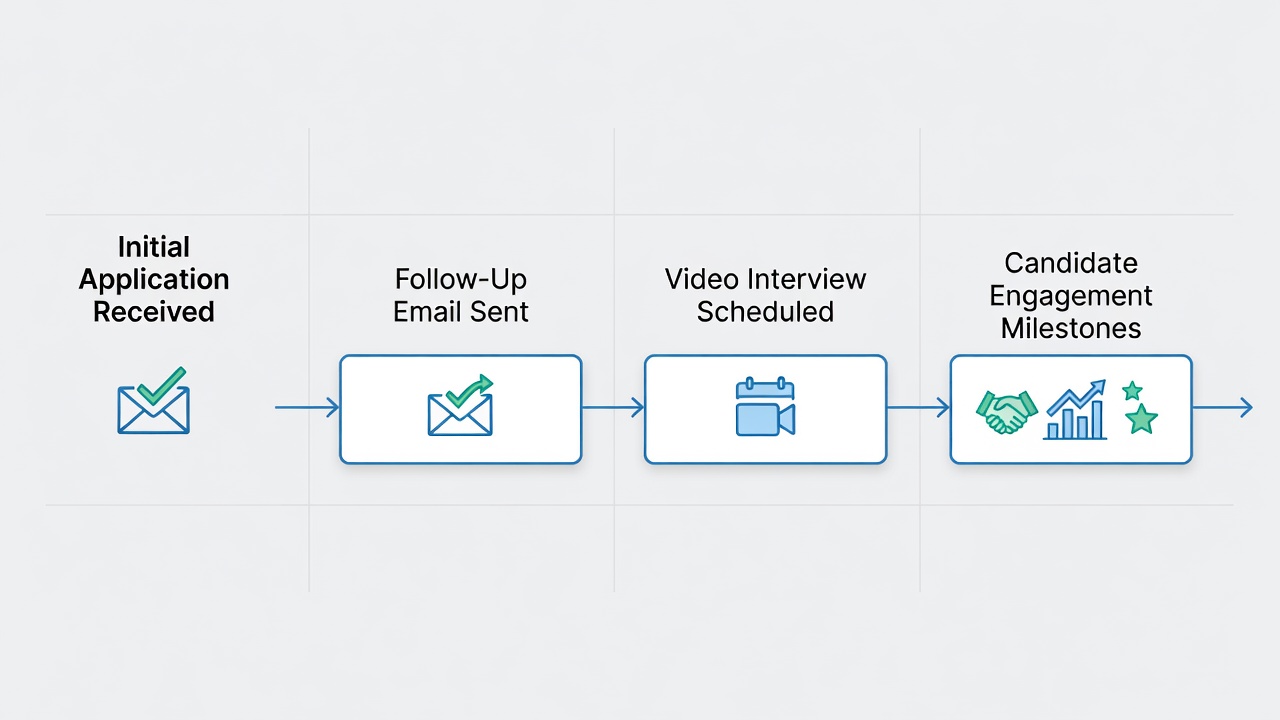
High-Touch Versus Automated Approaches: A Practical Comparison
High-touch methods involve personal calls and custom notes, excelling at senior or specialized roles where relationships matter most. They demand more recruiter time but deliver superior retention in competitive talent pools by creating memorable interactions that differentiate your process.
Automated sequences handle volume efficiently for entry-level positions, using triggers for reminders and updates. The best results come from hybrids: automation for routine touchpoints paired with human intervention at key milestones like offer stages. SMBs report success blending both, using automation to free capacity for meaningful conversations that prevent ghosting while scaling operations effectively.
When deciding between approaches, consider role complexity, candidate seniority, and available team bandwidth. Testing small cohorts helps refine the balance for optimal completion rates.
Building a Candidate-Centric Culture Across the Organization
Preventing ghosting extends beyond the recruiting team. Involve hiring managers in communication training so they understand the importance of prompt feedback. Create internal SLAs for response times and celebrate teams that maintain high engagement scores. This cultural shift ensures consistent experiences that candidates notice and appreciate.
Regular workshops on empathy in hiring can further embed these practices. When everyone from coordinators to executives prioritizes candidate respect, ghosting incidents naturally decline.
Step-by-Step Checklist for Implementation
- Audit current processes for communication gaps by mapping every touchpoint from application to offer.
- Train team on personalization best practices using real candidate scenarios for role-playing exercises.
- Select and integrate suitable tech stack with existing ATS and CRM systems for seamless workflows.
- Test cadences with a pilot group of candidates across different role types and gather qualitative feedback.
- Measure ghosting rates before and after changes using clear KPIs such as reply rates and stage completion percentages.
- Iterate based on feedback surveys sent to both ghosting and non-ghosting candidates to uncover hidden friction points.
Common Mistakes to Avoid in Anti-Ghosting Strategies
Over-automation without personalization can feel robotic and drive candidates away. Another pitfall is inconsistent application across teams, where some recruiters follow cadences diligently while others do not. Failing to close the loop after rejections also harms reputation, as candidates share experiences online. Always document processes and review them quarterly to stay adaptive.
Measuring Improvements in Completion Rates and Reputation
Track metrics such as response rates, time-to-offer, and post-process surveys. Improvements in these areas directly correlate with reduced ghosting. Positive candidate experiences also boost online reviews, enhancing long-term employer branding. For deeper insights, reference established frameworks from SHRM on talent acquisition best practices.
Consistent application of these tactics positions your organization as candidate-centric in the 2026 landscape, leading to stronger referral networks and easier future sourcing.
FAQ: Addressing Common Ghosting Scenarios
What if a candidate ghosts after receiving an offer?
Send a polite, no-pressure follow-up after 48 hours. Offer to answer remaining questions and provide a clear deadline extension if needed. Document the interaction for future reference.
How do lengthy processes contribute to ghosting?
Extended timelines without updates create uncertainty. Break stages into smaller milestones with regular check-ins to maintain engagement and provide value at each step.
Are there differences for remote versus in-office roles?
Remote candidates often value flexibility in communication channels. Use video updates and digital tools to bridge the distance effectively while ensuring all parties feel equally informed.
How can SMBs with limited staff implement these strategies?
Start with templates and basic automation, then layer in personalization as capacity allows. Partnering with external recruiting platforms can supplement internal efforts without heavy investment.
Conclusion
Preventing candidate ghosting requires intentional strategies centered on communication, personalization, and technology. By adopting these approaches, recruiters in 2026 can achieve measurable gains in hiring efficiency and reputation. Start small with one process audit and build from there for lasting results that benefit both candidates and the organization.


No comments yet. Be the first!