 Jobboy

Introduction: Why Time Management Matters More Than Ever in 2026
Professionals aiming for promotions and skill advancement in 2026 face increasing demands on their schedules. Effective time management directly supports career acceleration by freeing up hours for strategic networking, targeted upskilling, and high-value projects. This guide delivers actionable strategies that produce measurable results, such as faster promotion timelines and reduced burnout risk. In a competitive job market, those who master their calendars often outperform peers by completing key deliverables ahead of schedule while carving out dedicated time for personal growth. Many mid-level professionals report that structured approaches lead to clearer career paths and stronger professional relationships over the course of a single year.
Prioritizing High-Impact Tasks for Career Growth
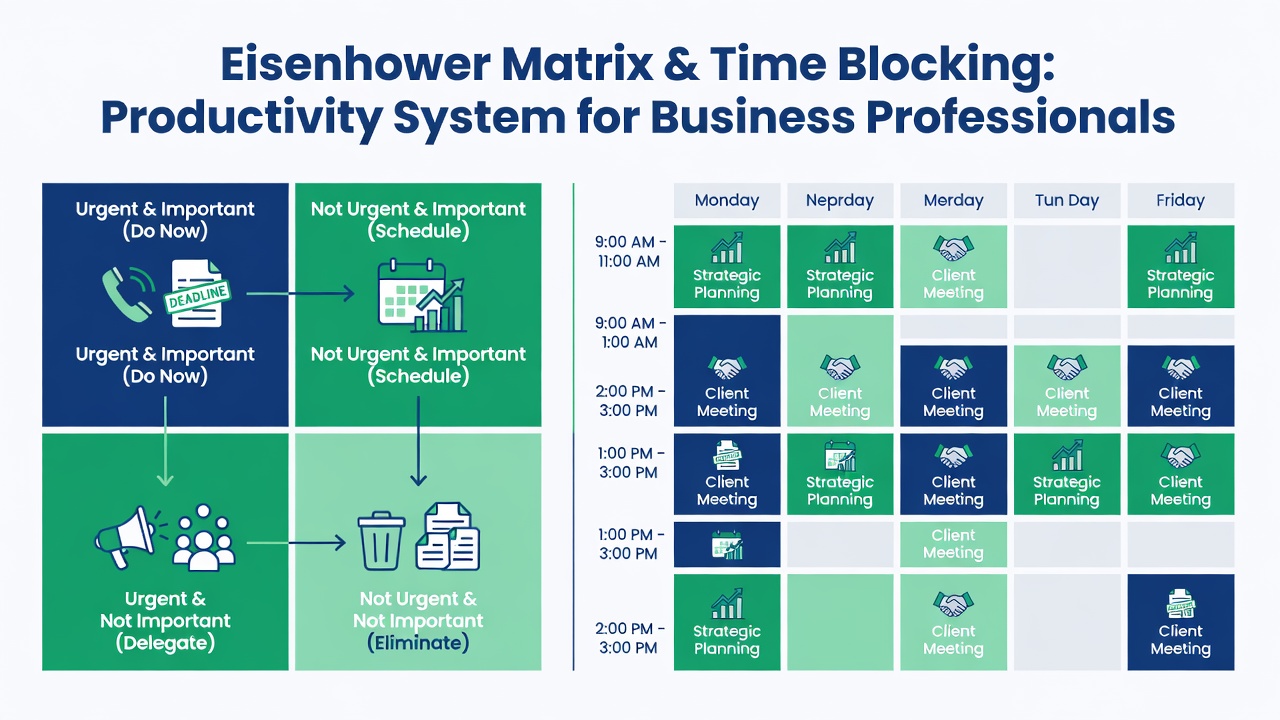
Successful mid-level managers consistently focus on tasks that drive visibility and results. Begin by identifying activities aligned with your 2026 career plan, such as leading cross-functional initiatives or contributing to revenue-generating projects. Use the Eisenhower Matrix to categorize tasks into urgent/important quadrants. This method helps eliminate low-value work that drains energy without advancing goals. High-impact tasks often include stakeholder presentations, innovation proposals, and relationship-building activities that position you for leadership roles.
Step-by-Step Implementation of the Eisenhower Matrix
- List all current tasks and deadlines in a single document or digital tool.
- Rate each as urgent or not urgent, and important or not important based on alignment with promotion criteria and skill development needs.
- Delegate or drop non-essential items immediately to free mental bandwidth.
- Schedule important but non-urgent tasks first to build long-term momentum toward career milestones.
- Review and adjust the matrix weekly to account for shifting priorities.
Real-world example: A marketing manager at a tech firm used this approach to shift 12 hours weekly from routine reporting to strategic campaign planning, resulting in a promotion within nine months. Another example involves a finance professional who reallocated time from administrative emails to industry analysis, leading to recognition at quarterly reviews and an invitation to join an executive committee.
Comparing the Eisenhower Matrix and Time Blocking
The Eisenhower Matrix excels at decision-making under pressure, while time blocking provides structure for deep work. Time blocking divides your calendar into dedicated slots for focused activity, making it ideal for professionals juggling multiple priorities. In direct comparison, the Matrix reduces decision fatigue on what to do next, whereas time blocking improves execution by protecting uninterrupted periods. Many 2026 career accelerators combine both: apply the Matrix to select tasks, then block time to complete them. Time blocking works particularly well for complex projects requiring concentration, such as preparing detailed reports or practicing presentations for networking events. The Matrix shines when daily interruptions threaten to derail long-term objectives. Professionals who integrate the two methods often achieve higher efficiency, completing both urgent client needs and forward-looking development goals in the same week.
Project Management Institute research highlights that structured scheduling correlates with higher project success rates for mid-career professionals. Additional insights from productivity frameworks show that hybrid approaches yield the best retention of new habits over six-month periods.
Leveraging Digital Tools for Scheduling and Tracking
Modern tools streamline time allocation and progress monitoring. Popular options include calendar apps with AI suggestions and project management platforms that integrate task prioritization. Set recurring blocks for career development activities such as online courses or mentorship calls. Review weekly analytics to adjust based on actual time spent versus planned outcomes. Tools like integrated calendars allow automatic reminders for networking follow-ups, while task trackers provide visual progress bars that motivate continued effort. Choose platforms that sync across devices to maintain consistency whether working from home or the office. Start simple by mastering one core feature, such as recurring events, before layering in advanced analytics.
Batching Professional Development Activities
Batching similar tasks minimizes context switching and maximizes learning retention. Group upskilling into 90-minute sessions twice weekly rather than scattered 15-minute attempts. This approach supports consistent skill-building without overwhelming your schedule. For networking efficiency, batch LinkedIn outreach and virtual events into one focused afternoon per month. Examples include preparing multiple connection requests in advance and following up with personalized notes during the same session. Mid-level managers who batch development report completing certifications faster while maintaining performance on core job responsibilities.
Setting Boundaries During Career Transitions
Clear boundaries prevent burnout while pursuing advancement. Communicate availability windows to teams and protect personal time for recovery. Mid-level managers who enforce these limits report higher sustained productivity and better promotion outcomes over time. Practical steps include defining after-hours response policies, using status indicators on communication tools, and scheduling buffer periods between meetings. During transitions such as role changes or department shifts, boundaries become even more critical to avoid overload from overlapping responsibilities.
Real-World Examples from Mid-Level Managers
One operations manager implemented time blocking combined with the Eisenhower Matrix and tracked a 25% increase in completed strategic projects over six months. Another professional batched certification study and achieved two new credentials in 2026 while maintaining a standard workweek. A third example comes from a sales leader who used digital scheduling tools to protect two hours daily for pipeline analysis, resulting in improved quarterly targets and a subsequent team leadership opportunity.
Measuring Outcomes Tied to Career Planning and Networking Efficiency
Track progress through specific metrics such as number of high-impact projects completed, new connections made, and skills acquired within set timeframes. Monthly reviews help identify what adjustments are needed. Networking efficiency improves when time is allocated deliberately, leading to more meaningful conversations and follow-through rather than scattered efforts. Professionals who measure these outcomes often see direct correlations with accelerated career moves.
FAQs: Common Pitfalls and Solutions
- How do I handle unexpected urgent tasks? Reserve 20% of your weekly schedule as flexible buffer time and reassess priorities using the Matrix at the start of each day.
- What if digital tools feel overwhelming? Start with one calendar app and master its core features before adding more, then gradually incorporate analytics reviews.
- Can these strategies work in fully remote roles? Yes—remote workers often see amplified benefits from strict time blocking due to fewer office distractions, though they must also set clear digital boundaries.
- How long until I see career results? Most professionals notice improved focus within two weeks and tangible promotion-related outcomes within three to six months of consistent application.
Conclusion: Measuring Career Outcomes
Applying these time management strategies consistently leads to accelerated promotions, efficient upskilling, and improved work-life balance in 2026. Track progress monthly through metrics such as completed high-impact projects and new skills acquired. Start today by auditing your current schedule and implementing one technique from this guide. Over time, these habits compound to create sustainable career momentum while preserving personal well-being.


No comments yet. Be the first!