 Jobboy

Introduction
Navigating compensation discussions in job interviews requires finesse, especially as economic conditions evolve in 2026. Job seekers want to evaluate total rewards fully while maintaining a collaborative tone with recruiters. This guide provides 10 carefully crafted questions, complete with context, strong versus weak phrasing examples, industry comparisons, timing tips, and real-world scenarios to help you maximize leverage on offers. Understanding total compensation goes beyond base salary. It includes variable pay structures, benefits valuation, equity, and long-term growth opportunities. Asking the right questions early can prevent surprises after accepting an offer and ensures your decision aligns with long-term career and financial goals.
Many candidates focus solely on the headline salary number, missing the broader picture of how benefits, bonuses, and advancement paths contribute to overall value. In today’s market, where hybrid work arrangements and evolving tax rules affect take-home pay, thorough preparation is essential. The following sections break down proven strategies to gather complete information without derailing the interview process or appearing overly focused on money.
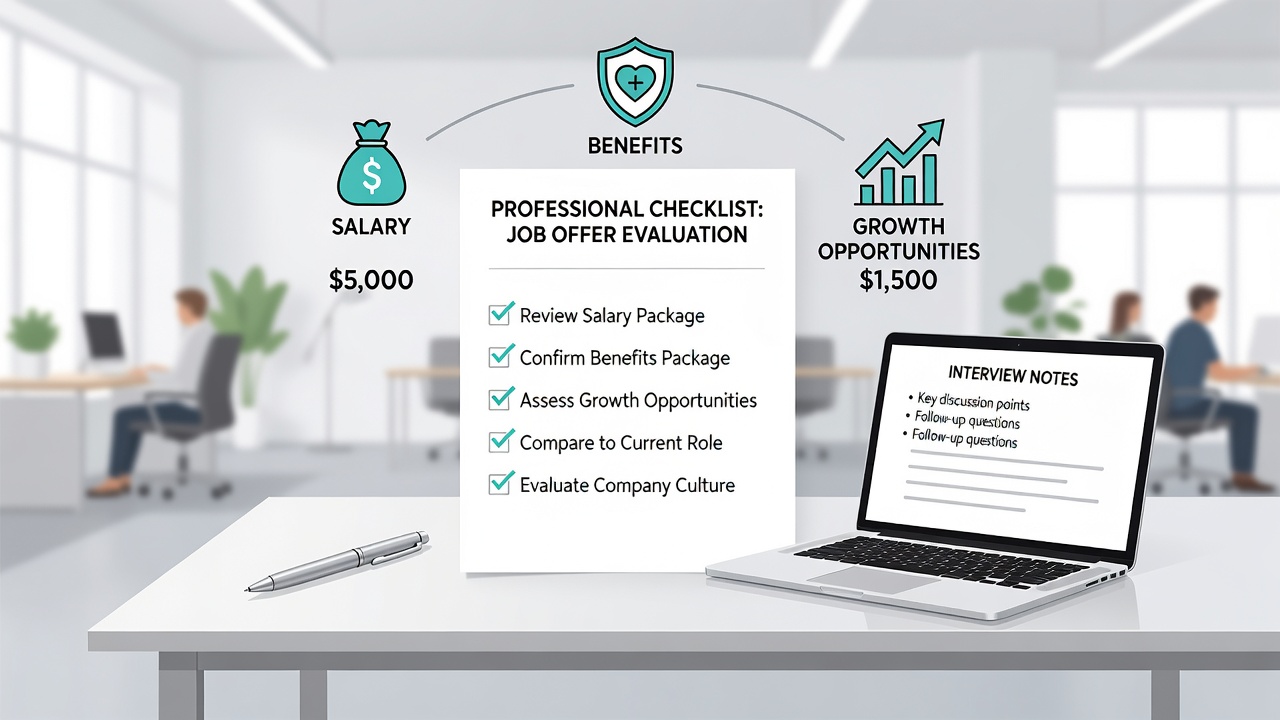
Why Compensation Questions Matter in 2026
The job market in 2026 emphasizes transparency amid shifting economic factors such as inflation adjustments and changing labor regulations. Candidates who probe thoughtfully demonstrate professionalism and strategic thinking rather than entitlement. Poorly worded questions, however, can signal that you are only interested in the paycheck and not the role itself. Preparing context for each inquiry ensures responses reveal meaningful details about pay, perks, and advancement while building rapport with the hiring team.
Research shows that candidates who ask informed questions about total rewards are viewed more favorably because they show they understand the full employment value proposition. This approach also helps you compare offers apples-to-apples across multiple employers. For example, a role with a slightly lower base salary but exceptional retirement matching and professional development support may ultimately be more valuable than a higher-paying position with minimal benefits.
Step-by-Step Pre-Interview Checklist
- Research the company’s compensation philosophy using public resources like the Bureau of Labor Statistics to understand typical pay ranges for your target role and location.
- Review your target role’s market range on authoritative sites such as the U.S. Department of Labor and note any recent trends in variable pay or benefits.
- List your non-negotiables: base pay floor, remote work flexibility, professional development budget, and health coverage priorities so you can steer conversations effectively.
- Practice responses to common follow-ups about your current package, including how you would describe your current total compensation without revealing confidential details.
- Prepare a notebook or digital document to track answers during the conversation and note follow-up questions that arise naturally.
- Schedule the discussion for the second or third interview round when mutual interest is established to avoid appearing premature.
Timing Strategies for Maximum Impact
Introduce compensation topics after the interviewer has expressed strong interest, typically mid-to-late process. Early questions should focus on role expectations and company culture; later ones address pay details once rapport exists. In fast-moving industries like technology and finance, broach the topic after the first technical screen or case study round. In traditional sectors such as healthcare, manufacturing, or government contracting, wait until the offer stage approaches to respect established protocols. Always tie your question back to how the compensation structure supports long-term performance and retention. This timing strategy prevents awkward early discussions while still giving you enough information to evaluate an eventual offer thoroughly.
The 10 Smart Questions
1. Base Salary Clarity
Strong phrasing: “Could you share the approved salary band for this position and how performance reviews influence annual adjustments?”
Weak phrasing: “How much does this job pay?”
Context and examples: This invites specifics without confrontation. In finance and consulting, bands are often rigid and tied to experience tiers, while startups may offer more flexibility in exchange for equity. Follow up by asking how cost-of-living or merit increases are applied each year so you understand future earning potential beyond the initial offer.
2. Variable Pay Components
Strong phrasing: “How is the bonus or commission structure calculated, and what percentage of the team typically achieves target payouts?”
Real-world scenario: A sales candidate discovered during the interview that only 40 percent of the team historically hit quota, prompting her to negotiate a higher base salary before accepting. In marketing roles, ask whether bonuses are tied to individual, team, or company performance metrics to gauge predictability.
3. Benefits Valuation
Strong phrasing: “Can you walk me through the total value of the benefits package, including health, retirement, and wellness stipends?”
Link to the IRS for understanding tax implications of benefits. Request a sample benefits summary so you can calculate your personal out-of-pocket costs for medical, dental, and vision coverage. In industries with high-deductible plans, ask whether the employer contributes to a health savings account.
4. Equity and Long-Term Incentives
Strong phrasing: “What equity grants or profit-sharing options are typical, and how are they vested over time?”
Compare across industries: Technology companies frequently offer restricted stock units with four-year vesting, whereas manufacturing and retail firms may emphasize annual profit-sharing pools distributed based on tenure and performance. Always request historical payout data to set realistic expectations.
5. Growth and Promotion Potential
Strong phrasing: “What is the typical timeline and compensation increase for promotion from this role?”
Scenario: A marketing professional learned that agency promotion cycles average two years with 15-20 percent increases, while corporate environments offered slower advancement but more stable benefits. Ask about internal mobility programs and whether promotions are posted publicly or filled through manager recommendations.
6. Cost-of-Living Adjustments
Strong phrasing: “Does the company provide location-based salary adjustments or remote-work stipends?”
This question is especially relevant for hybrid or fully remote roles. Some employers adjust pay by geographic tier, while others maintain a single national band with additional stipends for home office setup or internet costs.
7. Professional Development Support
Strong phrasing: “What budget or time allocation exists for conferences, certifications, and continuing education?”
Strong companies often allocate between $1,500 and $5,000 annually per employee. Ask whether unused funds roll over and whether the company covers exam fees or paid time off for study.
8. Work-Life Balance Perks
Strong phrasing: “How are parental leave, sabbaticals, and flexible scheduling valued within total compensation?”
Request details on paid parental leave duration, return-to-work support, and whether sabbaticals are available after a certain tenure. These elements can add significant long-term value, especially for candidates planning families or career breaks.
9. Severance and Transition Support
Strong phrasing: “What provisions exist for severance or outplacement services in the event of role changes?”
While sensitive, this question demonstrates forward-thinking. Many companies offer two to four weeks of severance per year of service plus career coaching, which can provide peace of mind during uncertain economic periods.
10. Total Rewards Summary
Strong phrasing: “Could you provide a total compensation breakdown that includes all cash, benefits, and equity elements?”
This final question ties everything together. Request the information in writing so you can perform a side-by-side comparison if you receive multiple offers.
Handling Vague Responses: Short FAQ
Q: The recruiter gives a wide range. What next?
A: Ask for clarification tied to your experience level and request written ranges with the midpoint clearly identified.
Q: Benefits details are deferred to HR.
A: Politely request a follow-up call with the benefits specialist before final interviews so you can evaluate the full package.
Q: Equity discussion is avoided.
A: Note the omission and factor conservative estimates into your decision; consider asking current employees anonymously about historical grants.
Q: The interviewer says compensation is not yet determined.
A: Respond by expressing enthusiasm for the role and asking when they expect to finalize the band so you can plan accordingly.
Common Mistakes to Avoid
One frequent error is leading with salary questions in the first interview, which can make candidates appear disinterested in the actual work. Another mistake is accepting verbal promises about future raises without asking for them in writing. Finally, many job seekers forget to calculate the net value of benefits after taxes and employee contributions, leading to over-optimistic total compensation estimates.
Conclusion
Mastering these questions positions you to evaluate offers holistically in 2026. Thoughtful phrasing builds rapport while delivering the data needed for informed decisions. Practice the scripts, follow the checklist, and adapt timing to your industry for the strongest results. By treating compensation conversations as a collaborative exploration rather than a negotiation battle, you increase the likelihood of receiving an offer that truly supports your financial and professional goals.

No comments yet. Be the first!