 Jobboy

Introduction: Why Preparation Matters for 2026 Salary Conversations
Annual performance reviews in 2026 present a critical window for mid-level professionals to discuss compensation. With evolving market conditions, preparing thoroughly can help you maximize outcomes without derailing the conversation. This guide covers researching your value, building a data-backed case, scripting requests, and evaluating total rewards. Effective preparation turns a standard review into a strategic discussion about your career growth and financial future.
Many professionals enter these meetings unprepared, leading to missed opportunities. By contrast, those who arrive with documented achievements and market insights often secure better results. The key is approaching the conversation collaboratively while advocating for your worth based on evidence rather than emotion.
Researching Your Contributions and Market Benchmarks
Start by documenting achievements from the past year. List specific projects, metrics improved, and skills demonstrated. Compare these against industry salary data from sources like the U.S. Bureau of Labor Statistics. This step provides the foundation for any compensation discussion because it grounds your request in objective reality rather than assumptions.
Next, review total compensation trends. Factor in base pay, bonuses, and benefits. Tools from reputable career sites provide context, but always cross-reference with your company's internal bands. Look at how roles similar to yours have evolved in 2026, paying attention to regional variations and industry shifts. Government resources such as the U.S. Department of Labor offer additional datasets that can strengthen your understanding of broader economic influences on pay.
Consider using multiple data points. Combine public statistics with internal performance metrics to create a comprehensive picture. This approach prevents over- or under-valuing your position when the discussion begins.
Building Your Case with Quantifiable Evidence
Translate accomplishments into business impact. For example, "Led a process that reduced costs by 15%" is stronger than vague statements. Gather supporting documents such as performance metrics, peer feedback, and project outcomes. Organize this information into a concise one-page summary you can reference during the meeting.
Consider external benchmarks for your role, location, and experience level. This preparation helps frame your request realistically. Include examples of how your work aligned with company goals, such as revenue growth or efficiency gains. The more specific your evidence, the harder it becomes for a manager to dismiss your request.
Scripting Your Raise Request Effectively
Practice clear, collaborative language. A sample opening: "Based on my contributions to the X project, which delivered Y results, I'd like to discuss adjusting my compensation to align with current market rates." Rehearse this several times so it feels natural rather than scripted.
Prepare for pushback by having alternatives ready, such as phased increases or professional development opportunities. Another effective phrasing example is: "I'm committed to the team's success and would like to explore how my compensation can reflect the expanded scope of responsibilities I've handled this year." Having two or three variations ready allows you to adapt based on the manager's initial response.
Quantifying the Value of Benefits and Total Compensation
Beyond base salary, evaluate health plans, retirement contributions, and flexible work options. Calculate their approximate worth to understand your full package. This perspective often reveals stronger negotiation points than salary alone. Break down each component: for instance, note the employer match on retirement accounts or the monetary value of additional vacation days.
Total compensation discussions benefit from this holistic view. Managers may have more flexibility in benefits than in base pay, so being prepared to discuss these areas can lead to creative solutions that satisfy both parties.
Comparing Base Salary Versus Equity Options
In tech and growth companies, equity can represent significant long-term value. Weigh immediate cash needs against potential upside. Ask about vesting schedules and refreshers during discussions. Understand the difference between stock options and restricted stock units, and how each might fit your personal financial timeline.
Consider asking targeted questions such as how equity grants are determined and whether there are opportunities for additional awards based on performance. This knowledge helps you evaluate offers more accurately over multiple years rather than focusing solely on the immediate paycheck.
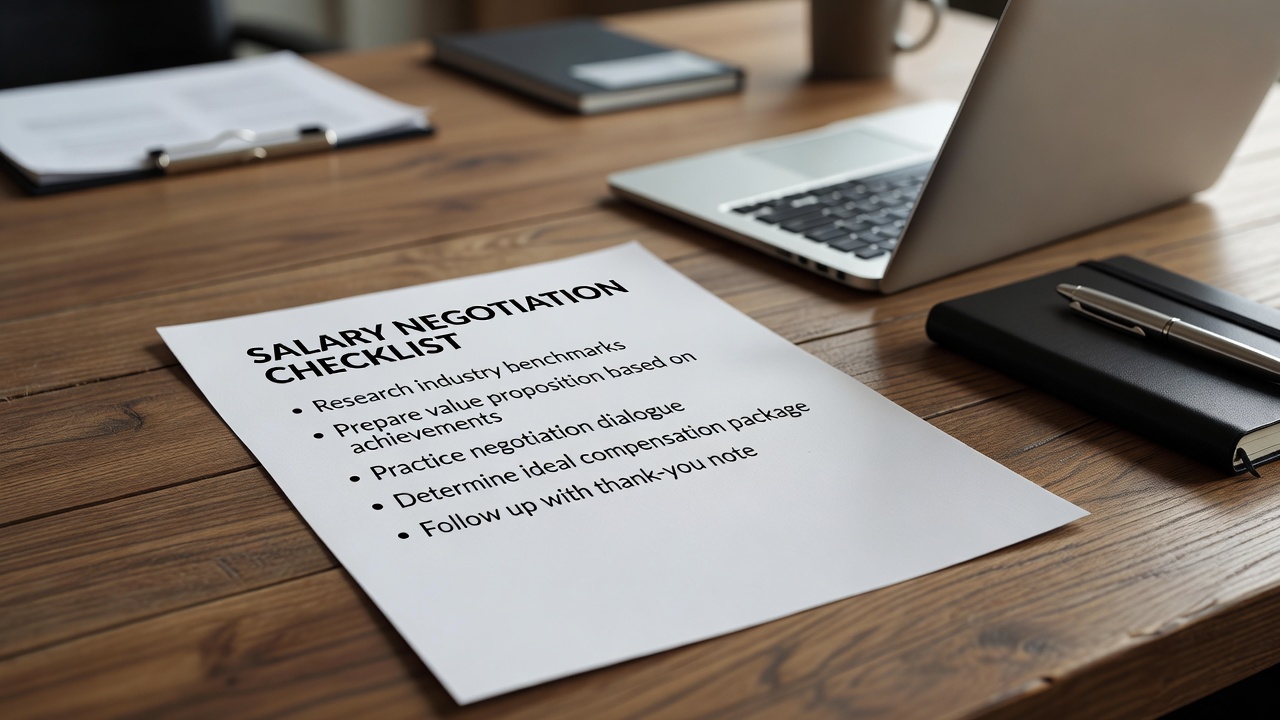
Step-by-Step Checklist for Review Preparation
- Compile achievement list with metrics and tie each item to company objectives
- Research salary ranges using multiple sources including government data and industry reports
- Prepare 2-3 specific request scenarios with supporting evidence
- Practice delivery with a trusted colleague or mentor
- Review company policies on compensation cycles and promotion criteria
- Plan follow-up questions for manager feedback and next steps
- Identify your walk-away points and acceptable alternatives in advance
- Schedule a separate meeting if the review time feels rushed for compensation topics
Real-World Phrasing Examples
Use these templates during the conversation: "I'm excited about continuing to grow here and wanted to explore how my compensation can reflect the expanded responsibilities I've taken on." Or: "Can we discuss how my total package compares to market standards for similar roles?" Another option: "What would it take for me to reach the next compensation band based on my recent performance?"
These examples keep the tone positive and solution-oriented while clearly stating your intent.
Common Mistakes to Avoid
One frequent error is focusing only on personal needs rather than business value. Another is failing to listen to the manager's perspective before pushing a specific number. Avoid bringing up colleagues' pay, as this can shift the discussion negatively. Instead, stay centered on your contributions and market data.
FAQ: Addressing Common Manager Objections
What if the budget is already set?
Explore non-monetary adjustments like additional PTO or title changes that may support future raises. Ask about the timeline for the next compensation review cycle and what milestones would position you for an increase then.
How do I handle a low initial offer?
Thank them for the feedback, then ask what specific milestones would unlock higher compensation in the next cycle. Request a follow-up meeting to revisit the topic after demonstrating additional impact.
What if my manager cites company-wide freezes?
Inquire about exceptions or alternative forms of recognition such as professional development stipends or project-based bonuses that could still provide meaningful progress.
Post-Review Actions and Follow-Up
After the meeting, send a brief thank-you email summarizing key points discussed and any agreed-upon next steps. This creates a record and demonstrates professionalism. If no immediate changes occur, schedule a check-in three to six months later to revisit your progress against the goals outlined.
Conclusion: Turning Preparation into Results
Approaching 2026 performance reviews with research and clear examples positions you for productive salary talks. Focus on mutual value to keep the dialogue collaborative and forward-looking. With consistent preparation, you can turn these annual conversations into meaningful steps toward long-term career and financial growth.


No comments yet. Be the first!