 Jobboy
Introduction: Why Location Still Matters for Pay in 2026
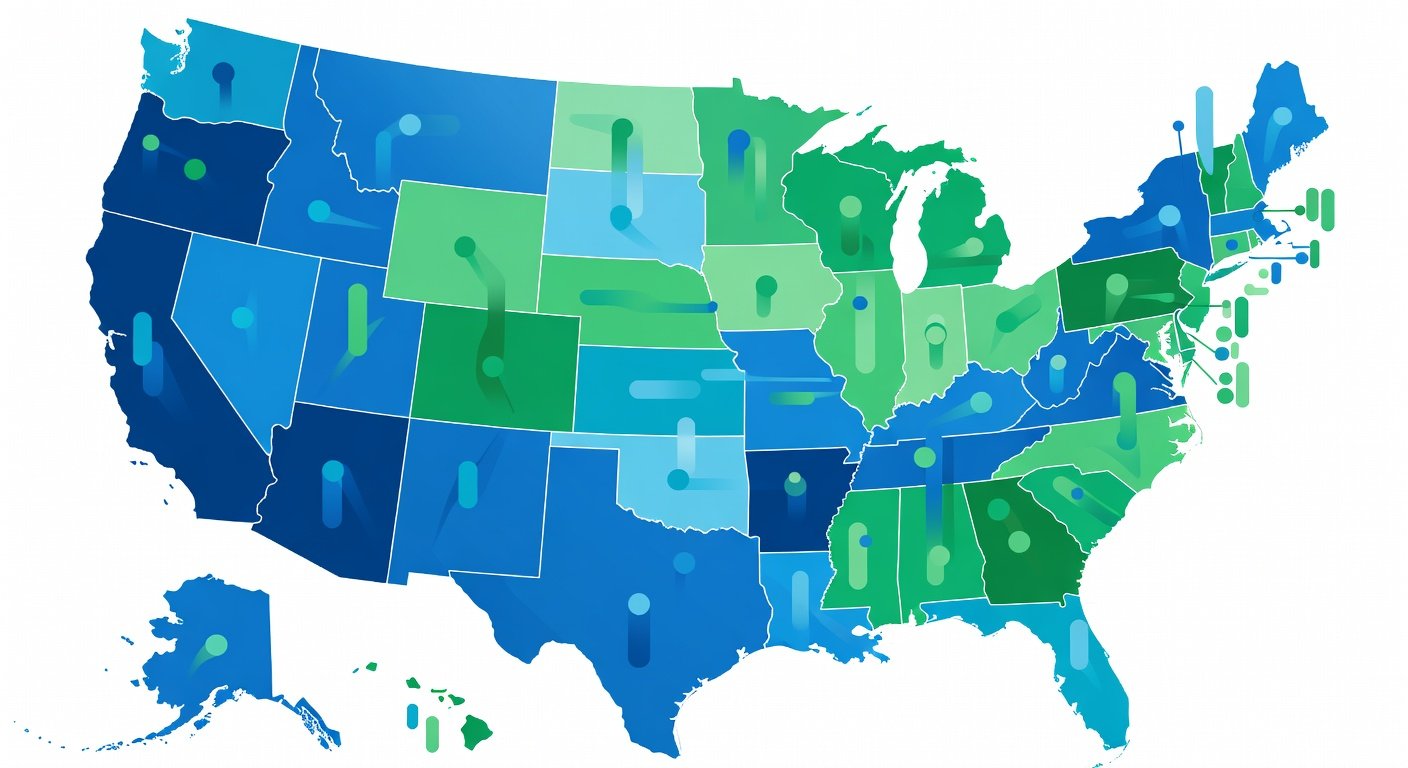
Geographic salary differences remain a critical factor in career decisions, even as remote work expands. In 2026, employers continue to adjust compensation based on regional cost of living, talent demand, and local economic conditions. This guide examines average pay variations across major US metro areas, industry-specific benchmarks, and practical strategies for negotiating location-based offers. Understanding these differences helps professionals evaluate total compensation packages, including benefits and relocation support. High-cost coastal cities often provide higher base pay to offset expenses, while lower-cost regions may offer better purchasing power despite modest salaries. The ongoing evolution of hybrid work models adds another layer of complexity, requiring employees to weigh lifestyle preferences against financial outcomes.
Many workers are reevaluating their situations due to shifting economic pressures and company policies. Location-based pay structures have become more common, prompting detailed analysis of how different regions impact long-term earnings potential. This article provides the depth needed to make informed choices, covering real examples and actionable steps throughout.
Average Pay by Major Metro Areas
Compensation levels vary significantly between regions. Tech hubs on the West Coast typically command premiums compared to Midwest or Southern cities. Factors like housing costs, taxes, and industry concentration drive these gaps. Professionals relocating should compare not only base salary but also local tax rates and everyday expenses to assess real value. For instance, roles in dense urban centers often include additional perks such as transportation subsidies, while suburban or rural positions may emphasize flexible schedules to attract talent.
Remote work trends have prompted some companies to implement location-based pay tiers, reducing offers for employees moving to lower-cost areas. This approach balances company budgets with employee needs but requires careful negotiation. Data from government agencies highlights consistent patterns where coastal metros maintain elevated compensation bands relative to inland alternatives, influencing everything from job satisfaction to retention rates.
Industry-Specific Regional Benchmarks
Industries such as technology, finance, and healthcare show pronounced regional pay patterns. Tech roles in innovation centers often include equity and bonuses that amplify total compensation. In contrast, manufacturing or education sectors may offer more consistent pay across regions but with fewer variable incentives. Healthcare professionals frequently see higher pay in underserved rural areas due to demand, while finance roles concentrate premiums in major financial districts.
Reviewing industry reports from sources like the Bureau of Labor Statistics provides reliable context for these benchmarks. Additional sectors like logistics and renewable energy demonstrate unique geographic influences, with growth in specific states creating localized salary surges. Professionals should cross-reference multiple data points to understand how their field aligns with regional opportunities and challenges.
High-Cost vs. Low-Cost Area Comparisons
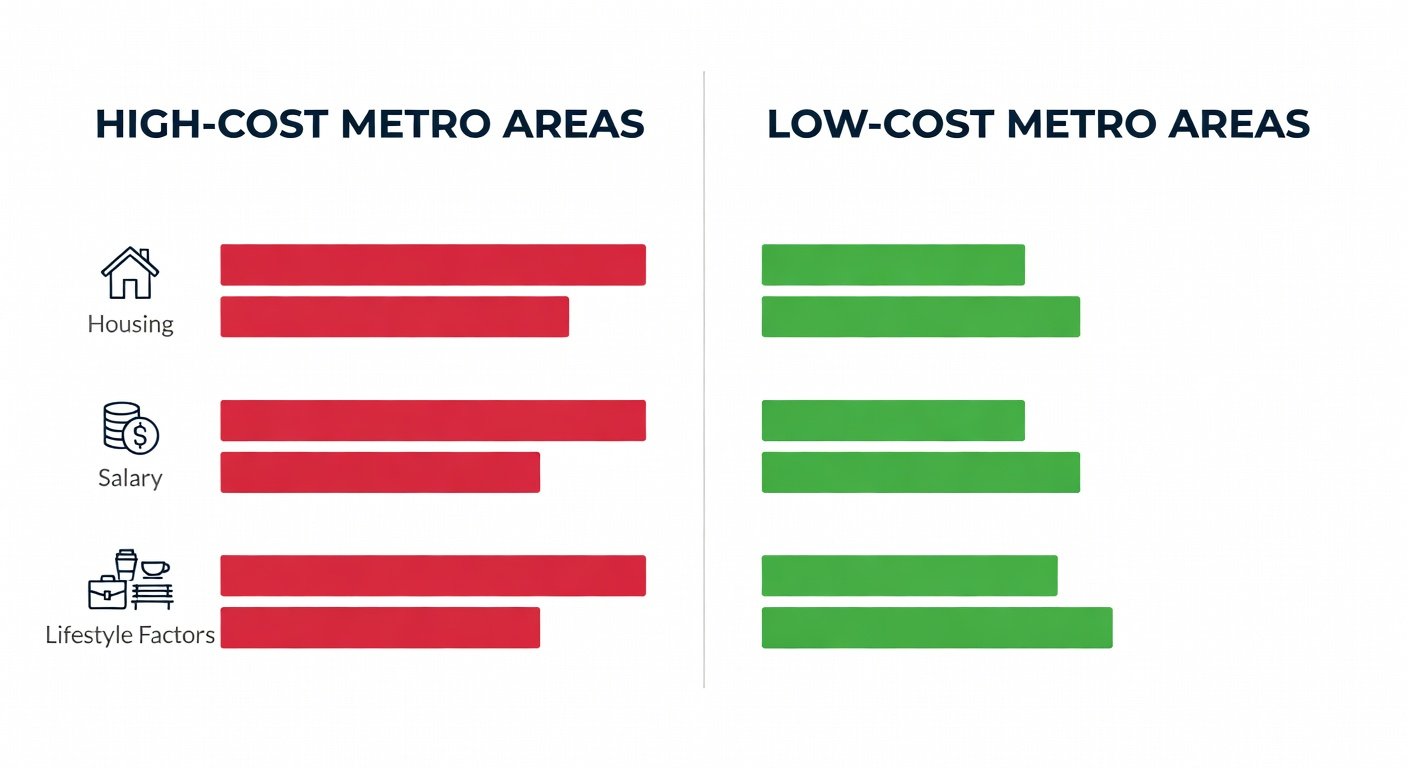
High-cost areas like New York or San Francisco feature elevated salaries that often fail to fully offset housing and taxes. Low-cost regions such as parts of Texas or the Southeast provide stronger purchasing power for similar roles. Employees must weigh lifestyle factors, including commute times and access to amenities, alongside pay. Practical comparisons reveal that high-cost living frequently demands dual-income households or longer work hours to maintain equivalent standards.
Real-world case examples illustrate these trade-offs. A software engineer moving from a coastal hub to a mid-sized Southern city might accept a reduced base pay yet experience improved savings due to lower living expenses. Conversely, staying in a high-cost area can accelerate career growth through networking opportunities and access to specialized training programs. Another example involves a marketing professional who relocated from a high-cost Northeast city to a lower-cost Midwest metro, gaining better work-life balance while maintaining career progression through remote collaboration tools.
Common mistakes to avoid include overlooking hidden costs like state income taxes or underestimating the value of established professional networks in high-cost hubs. A scannable list of key considerations includes:
- Housing affordability and long-term property values
- Access to quality education and healthcare facilities
- Local job market stability for potential future moves
- Climate and quality-of-life factors that affect overall satisfaction
Impact of Remote Work Trends on Geographic Pay
Remote work continues to reshape compensation landscapes in 2026. Companies increasingly adopt geographic pay bands that adjust salaries based on employee residence, aiming to reflect local market rates. This trend benefits workers in low-cost areas by allowing them to compete for roles previously tied to expensive cities, but it also introduces risks of pay compression over time.
Hybrid arrangements offer a middle ground, combining occasional office requirements with location flexibility. Employees should monitor how their employer's remote policy evolves, as shifts in these guidelines can directly affect future raises and bonuses. Authoritative labor resources such as the U.S. Department of Labor offer guidance on related employment standards.
Strategies for Negotiating Location-Based Offers
Effective negotiation starts with research. Gather data on local salary ranges and cost-of-living indices before discussions. Emphasize your unique skills and remote productivity to justify adjustments beyond standard location tiers. Consider total compensation elements like signing bonuses, relocation packages, and flexible work policies.
Step-by-step advice includes:
- Calculate your target salary using online COL calculators adjusted for 2026 data.
- Present a counteroffer supported by market evidence from authoritative sources.
- Discuss hybrid arrangements that blend remote flexibility with occasional office presence.
- Evaluate long-term career impact, including promotion potential tied to location.
- Request phased adjustments if full relocation is involved, allowing time to assess real costs.
Avoid common pitfalls such as accepting the first offer without countering or failing to document all verbal agreements in writing. These steps ensure negotiations lead to sustainable outcomes.
Factoring Relocation Into Pay Raises or New Roles
Relocation decisions require a structured approach. Begin by mapping personal priorities such as family needs, career goals, and financial targets. Next, model scenarios comparing current and proposed compensation after taxes and expenses. Consult resources from the U.S. Census Bureau for demographic and economic insights. Finally, secure written agreements on any location adjustments to protect future pay reviews.
Additional considerations involve timing relocations around performance review cycles to maximize raise potential and exploring employer-sponsored assistance programs for moving expenses. Professionals should also factor in spousal career impacts and community integration challenges for a holistic view.
Conclusion
Geographic salary differences in 2026 demand informed decision-making. By analyzing regional benchmarks, understanding industry patterns, and applying targeted negotiation tactics, professionals can optimize their compensation regardless of location. Remote work continues to evolve these dynamics, making proactive research essential for long-term financial and career success. This comprehensive approach ensures decisions align with both immediate needs and future aspirations.
FAQ
How do cost-of-living adjustments affect 2026 salaries?
Employers use COL data to scale offers, ensuring pay maintains purchasing power across regions while accounting for local economic variables.
Can remote workers expect location-based pay cuts?
Many companies apply tiered pay; however, strong negotiation and proven performance can mitigate reductions or secure alternative benefits.
What resources track reliable regional salary data?
Government sites such as the Bureau of Labor Statistics offer comprehensive, regularly updated statistics for various occupations.
How should families approach relocation for better pay?
Evaluate school districts, spousal employment options, and community support systems alongside salary comparisons to ensure overall family well-being.
Are there tax implications for geographic moves?
State tax differences can significantly impact net pay, making it essential to model after-tax income in potential new locations before accepting offers.


No comments yet. Be the first!