 Jobboy
Introduction
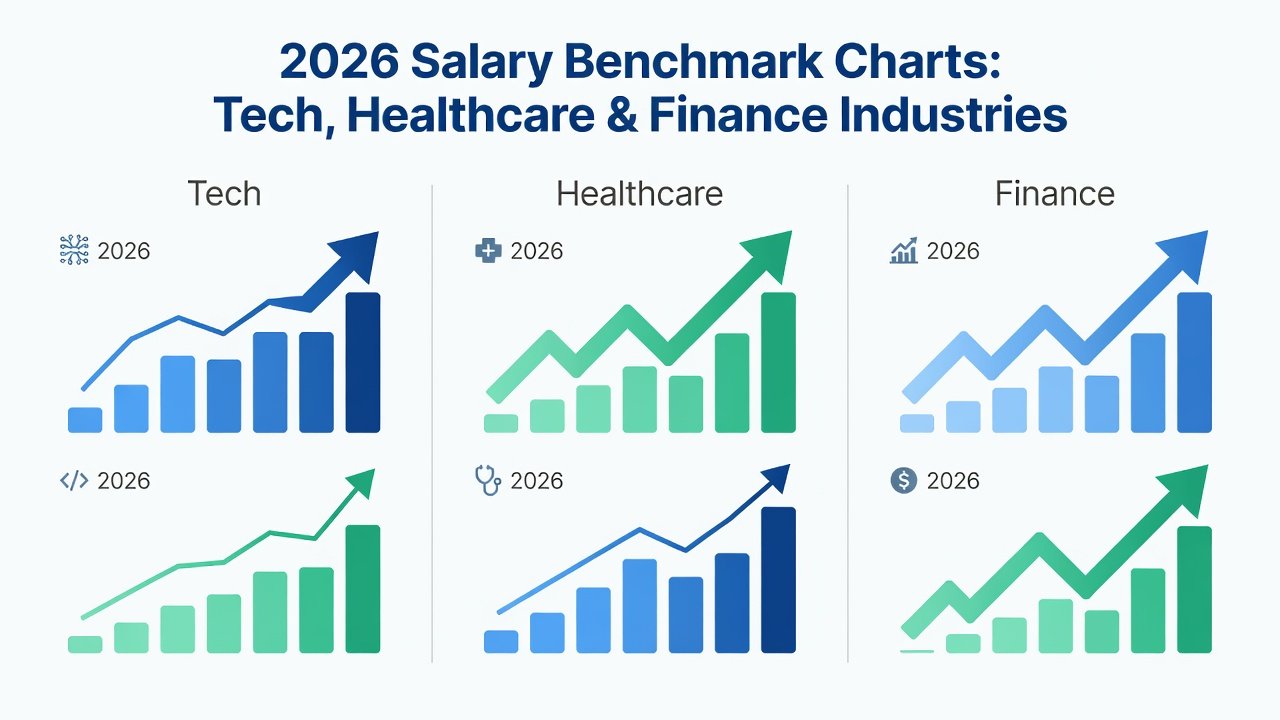
Mid-career professionals frequently encounter challenges when preparing for salary discussions. Using 2026 salary benchmarks offers a data-driven foundation for raise requests across tech, healthcare, and finance sectors. These benchmarks reveal market rates for comparable roles, helping you position your contributions effectively. This comprehensive guide explores benchmark sourcing methods, validation processes, detailed comparison techniques, total compensation analysis, negotiation scripts, real examples, common pitfalls, and practical strategies tailored for actionable results.
How Salary Benchmarks Are Sourced and Validated
Accurate 2026 benchmarks originate from diverse, reliable inputs that minimize bias and reflect current conditions. Primary sources include large-scale government surveys such as those from the Bureau of Labor Statistics, which aggregate occupational wage information from thousands of employers nationwide. Analysts further validate figures by incorporating anonymized payroll data from major consulting firms and industry associations. Cross-checks against regional economic indicators ensure adjustments account for inflation, skill demand shifts, and hybrid work policies. In tech, benchmarks often integrate startup equity trends; healthcare data emphasizes shift differentials and certification premiums; finance incorporates bonus structures tied to performance metrics. Validation involves statistical sampling to confirm representativeness, with outliers removed through rigorous quality controls. Professionals should prioritize sources updated within the past year for the most relevant 2026 insights.
Step-by-Step: Comparing Your Pay to 2026 Benchmarks
Follow this structured process to gain precise leverage during raise conversations.
- Gather your full compensation details including base pay, performance bonuses, equity grants, retirement contributions, health benefits value, and any stipends. Document your exact title, years of experience, education, and work location or remote status.
- Define your peer group by matching job functions, industry sub-sector, and company size. For instance, a mid-level data analyst in fintech differs from one in healthcare software.
- Access multiple 2026 benchmark reports from government and private providers. Filter results by experience band and geography to isolate relevant percentiles.
- Calculate your position by comparing your total package against reported medians and quartiles. Note whether you fall below the 50th percentile or align closer to top earners.
- Adjust comparisons for non-cash elements like flexible schedules or professional development allowances that add tangible value.
- Revisit the analysis quarterly using updated data releases to monitor market movements and prepare proactive discussions.
This methodical approach transforms vague feelings about underpayment into quantifiable evidence.

Base Salary Versus Total Compensation Value
Evaluating only base salary overlooks critical components that define overall earning power. In technology roles, equity and bonuses frequently comprise 30 to 50 percent of total compensation, making cash salary alone an incomplete picture. Healthcare professionals often benefit from tuition reimbursement, malpractice coverage, and pension-style retirement plans that enhance long-term security. Finance positions commonly feature variable incentives linked to revenue targets, which can fluctuate but add substantial upside. When preparing a raise request, translate these elements into annual dollar equivalents. For example, a strong 401(k) match or wellness stipend may offset a modestly lower base rate. Understanding this distinction prevents undervaluing your current role or overemphasizing headline salary figures during negotiations.
Scripts for Raise Discussions Using Benchmarks
Effective scripts blend data with personal impact stories. Start with: "Reviewing the latest 2026 industry benchmarks, professionals in my role with similar experience earn between the 60th and 80th percentiles. My recent project leadership contributed directly to a 15 percent efficiency gain, placing my contributions in that upper range. I would like to explore an adjustment to align compensation accordingly." For follow-up meetings, prepare variations such as: "If base salary adjustments are constrained, could we discuss accelerating equity vesting or adding a performance bonus tied to Q3 targets?" Practice delivering these calmly and support them with printed benchmark summaries.
Real-World Examples of Benchmark-Driven Asks
A senior product manager at a mid-sized tech firm in Seattle reviewed 2026 data showing her total compensation lagged the 65th percentile. She compiled a one-page summary highlighting three key deliverables and requested a structured review. The result was a combined base increase plus accelerated stock refresh. In healthcare, a clinical operations director in Boston referenced benchmarked nursing leadership rates to advocate for expanded continuing education funds and a title adjustment, ultimately boosting her package value without immediate base changes. A finance analyst in New York used percentile comparisons to negotiate a hybrid bonus structure after demonstrating consistent outperformance relative to peers, securing both immediate and deferred compensation improvements.
Mistakes to Avoid When Using Benchmarks
Common errors include relying on a single data source without cross-verification, ignoring location-based cost adjustments, or presenting raw numbers without tying them to individual achievements. Another frequent misstep is focusing solely on base salary while neglecting total rewards, which can weaken your overall position. Avoid timing requests during company-wide budget freezes without proposing phased implementation options. Finally, do not share confidential colleague salary information; stick to aggregated public benchmarks.
Common Data Pitfalls: FAQ
- How current is the data? Verify collection dates and prefer sources refreshed within the last twelve months to capture 2026 market realities accurately.
- Does location matter? Absolutely. National figures require metro-specific overlays for precision in high-cost areas versus remote-friendly regions.
- Should I include equity? Convert grants to annualized expected value using conservative assumptions to enable fair comparisons.
- What if my role is hybrid? Confirm whether benchmark datasets distinguish hybrid policies to prevent mismatched analysis.
- How do I handle non-standard titles? Map your responsibilities to closest standard occupational codes from government classifications before comparing.
Conclusion
Mastering 2026 salary benchmarks equips mid-career professionals with credible, industry-specific evidence for raise negotiations in tech, healthcare, and finance. By thoroughly sourcing data, performing detailed comparisons, balancing base and total compensation views, deploying targeted scripts, learning from examples, and sidestepping pitfalls, you can approach conversations with greater confidence and achieve meaningful outcomes.
No comments yet. Be the first!