 Jobboy
Introduction
Understanding how professional experience shapes compensation remains a critical skill for anyone planning career moves in 2026. Employers assess candidates through multiple lenses including years in the field, depth of specialized skills, leadership history, and measurable business impact. This comprehensive guide examines salary structures and total rewards from entry-level positions through senior leadership roles. It also details how benefits packages and equity components vary by experience tier and offers concrete steps for researching personal market value before entering salary discussions. Readers will find practical examples drawn from real professionals, decision frameworks for prioritizing compensation elements, and proven tactics that help translate experience into stronger offers without relying on generic advice.
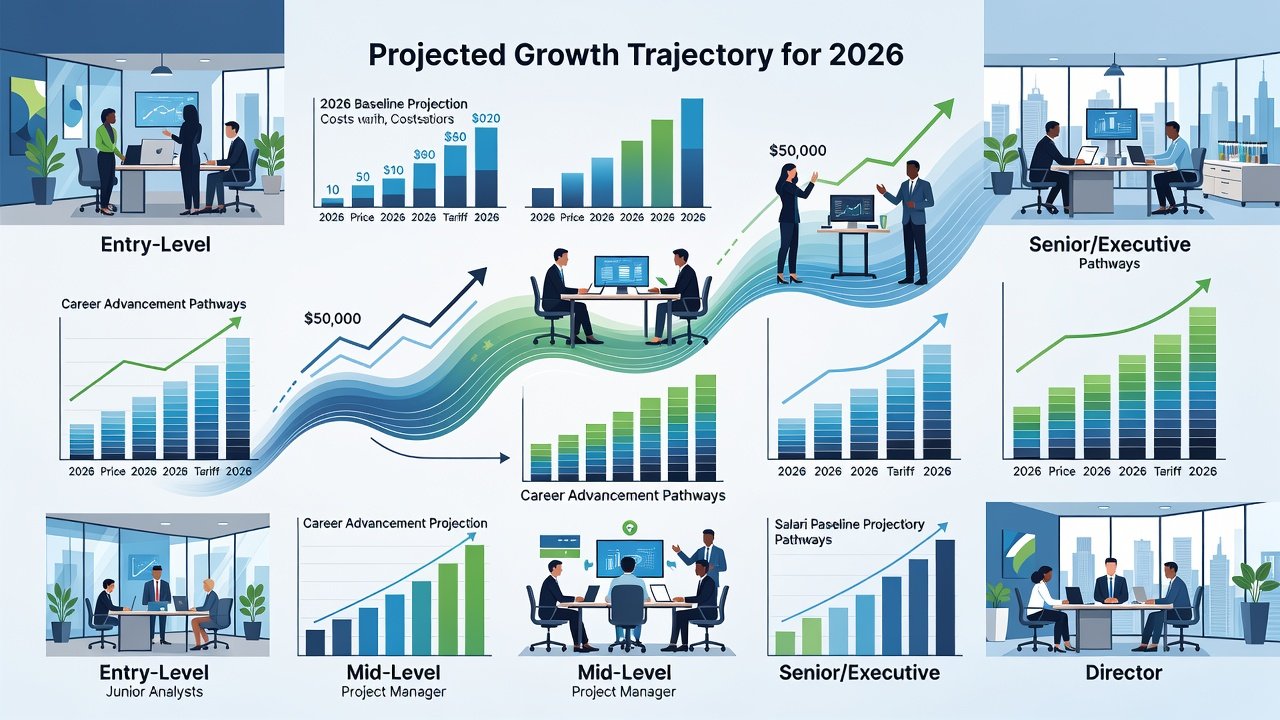
Entry-Level Benchmarks: Building Foundations
Professionals with zero to three years of experience typically enter roles that emphasize rapid learning, process adherence, and contribution under close supervision. Compensation at this stage centers on predictable base pay supported by standard benefits such as health insurance and basic retirement matching. Equity participation is uncommon except in early-stage startups where risk tolerance may be higher. Many organizations structure entry-level packages around clear progression milestones, with performance reviews occurring every six months to identify readiness for expanded duties. A marketing coordinator in consumer goods, for example, might receive structured onboarding, access to internal training platforms, and quarterly goal-setting sessions that directly feed into compensation reviews after the first year. Another illustration involves a software engineer fresh from university who joins a mid-sized technology firm; the initial offer often includes tuition reimbursement for certifications and a modest annual bonus tied to team deliverables rather than individual equity grants.
Mid-Level Benchmarks: Expanding Responsibilities
Between three and seven years of experience, professionals usually manage independent projects while beginning to mentor newer team members. Total compensation broadens to incorporate performance bonuses, flexible scheduling options, and sometimes professional development stipends. Equity grants become more common in growth-oriented companies as a retention mechanism. Organizations recognize that mid-level contributors drive day-to-day execution, so packages often balance cash elements with long-term incentives. Consider a project manager in construction who negotiates a hybrid work arrangement and an annual learning budget after demonstrating consistent delivery of multi-million-dollar initiatives. Similarly, a financial analyst at a healthcare provider may receive an enhanced 401(k) match and eligibility for a deferred compensation plan once they surpass the five-year mark. These adjustments reflect the increased strategic value individuals bring once they have moved beyond foundational tasks.
Senior Benchmarks: Leadership and Strategic Impact
At seven or more years of experience, experts shape organizational strategy, lead cross-functional teams, and influence revenue or cost outcomes. Packages at this level combine competitive base pay with substantial variable compensation, comprehensive wellness programs, and meaningful equity stakes that align personal success with company performance. Senior professionals often negotiate sign-on bonuses, relocation support, or enhanced severance terms because their departure carries higher operational risk for the employer. A director of operations in manufacturing, for instance, might structure a package that includes profit-sharing calculated on divisional results plus stock options vesting over four years. In professional services, a principal consultant could secure a sabbatical clause after ten years of service alongside continued health coverage during any unpaid leave.

Incorporating Benefits and Equity in Negotiations
Total compensation extends well beyond base salary to encompass health coverage, retirement contributions, paid time off policies, parental leave, and equity vehicles such as restricted stock units or stock options. At each career stage, individuals should evaluate which components deliver the greatest personal utility. Early-career professionals frequently prioritize student-loan repayment assistance or certification sponsorship, while those at senior levels may focus on accelerated vesting schedules or change-in-control protections. Equity negotiations require particular attention to grant size, vesting cliffs, and post-termination exercise windows. Professionals can strengthen their position by requesting written details on equity refreshers and dilution protections before accepting an offer. Resources from the Department of Labor provide guidance on retirement plan regulations that affect how equity integrates with overall rewards.
Step-by-Step Guide to Researching Market Value
- Begin with official labor statistics from the Bureau of Labor Statistics to establish baseline ranges for your occupation and geographic area.
- Cross-reference multiple job postings on reputable platforms to identify consistent requirements and compensation signals for comparable roles.
- Consult industry association reports that often segment data by years of experience and company size.
- Engage in discreet conversations with peers through professional networks or alumni groups to gather anonymized compensation insights.
- Document your own achievements using quantifiable metrics such as revenue generated, costs reduced, or processes improved to create a personalized value narrative.
- Review total rewards statements from current and past employers to understand how benefits have historically factored into your packages.
- Simulate offer scenarios by calculating the net impact of different base, bonus, and equity combinations on your personal financial goals.
Crafting Data-Backed Negotiation Asks
Effective negotiation starts with preparation of a concise yet evidence-rich presentation. Begin by summarizing your contributions with specific outcomes, then reference external market data without disclosing exact sources during the conversation. Frame requests around total compensation rather than isolated base salary to create room for creative solutions such as accelerated review cycles or additional paid time off. Practice delivering the ask in a collaborative tone that emphasizes mutual benefit. Real examples include a mid-level product designer who secured a 15 percent total package increase by highlighting portfolio impact and presenting three comparable roles with similar responsibility levels. Another case involves a senior supply chain manager who negotiated an equity refresh grant by demonstrating how their process improvements reduced lead times across two regions.
Common Mistakes to Avoid
- Concentrating exclusively on base salary while overlooking the long-term value of benefits and equity vesting schedules.
- Failing to research the target company’s compensation philosophy and typical promotion timelines before discussions begin.
- Delaying market research until an offer arrives instead of building leverage throughout the interview process.
- Using emotional appeals rather than data when justifying requests for higher compensation.
- Accepting the first counteroffer without evaluating its full impact on career trajectory and future earning potential.
FAQs on Experience-Based Negotiation
How does experience level affect equity offers?
Senior roles typically receive larger initial grants and shorter vesting periods because individuals at this stage directly influence company valuation and strategic direction, whereas entry-level packages emphasize immediate cash flow and skill development support.
What if my current experience does not align perfectly with published benchmarks?
Emphasize transferable accomplishments and recent projects that demonstrate equivalent capability; many employers adjust offers when candidates provide concrete evidence of impact that exceeds standard expectations for their tenure.
Can remote work arrangements alter compensation expectations?
Location-based adjustments remain common, yet professionals who consistently deliver high-value results can often negotiate geographic parity or location premiums by presenting data on comparable remote roles at peer organizations.
How frequently should compensation be reviewed after accepting a role?
Most professionals schedule informal market checks every 12 to 18 months and formal discussions during annual performance reviews, using updated data to support requests for adjustments tied to expanded responsibilities.
Conclusion
Leveraging accumulated experience to secure appropriate compensation requires thorough preparation, clear communication, and a holistic perspective on total rewards. By applying the benchmarks, research methods, and negotiation frameworks outlined above, professionals at every stage can construct compelling cases that reflect their true contributions and position them for sustained career advancement in the evolving 2026 landscape.

No comments yet. Be the first!