 Jobboy

Introduction to 2026 Remote Salary Negotiation
Remote work continues to evolve rapidly in 2026, allowing professionals worldwide to negotiate compensation packages that reflect their location, lifestyle, and contributions. Digital nomads and members of distributed teams now have greater leverage to secure total compensation that accounts for global benchmarks and cost-of-living variations. This comprehensive guide delivers practical strategies, detailed examples, and actionable frameworks to help you maximize your earnings while maintaining fairness across borders. Understanding these elements is essential for anyone seeking to optimize their remote career in an increasingly borderless job market.
Researching Location-Adjusted Salary Data
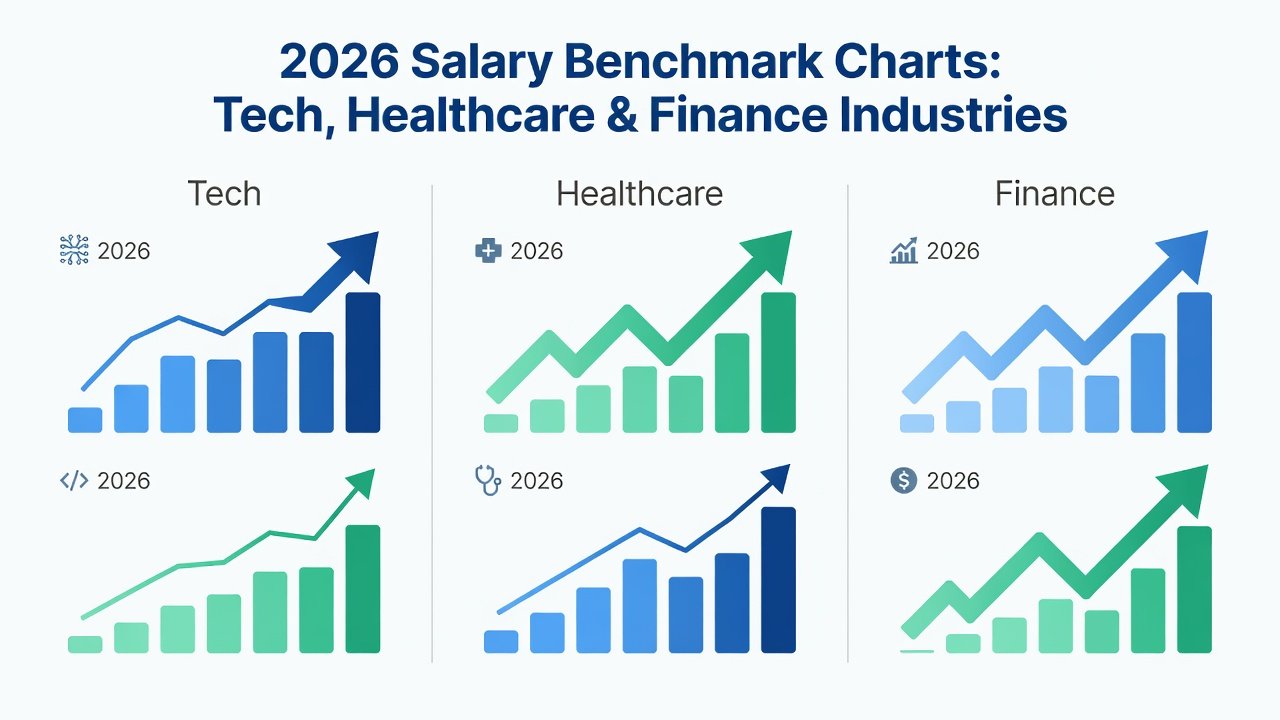
Effective negotiation begins with thorough research into location-adjusted salary benchmarks. Professionals should aggregate data from multiple authoritative sources including international labor statistics, industry-specific reports, and economic indicators from organizations focused on global development. Compare roles in technology and finance by examining how base pay differs between high-cost urban centers and emerging remote-friendly destinations. Cross-reference findings with regional economic analyses to account for currency fluctuations and purchasing power parity. This multi-source approach prevents reliance on any single dataset and builds a robust foundation for discussions with employers. Utilize tools such as salary calculators from established economic bodies to validate your figures and identify trends specific to 2026 market conditions.
Calculating Cost-of-Living Impacts
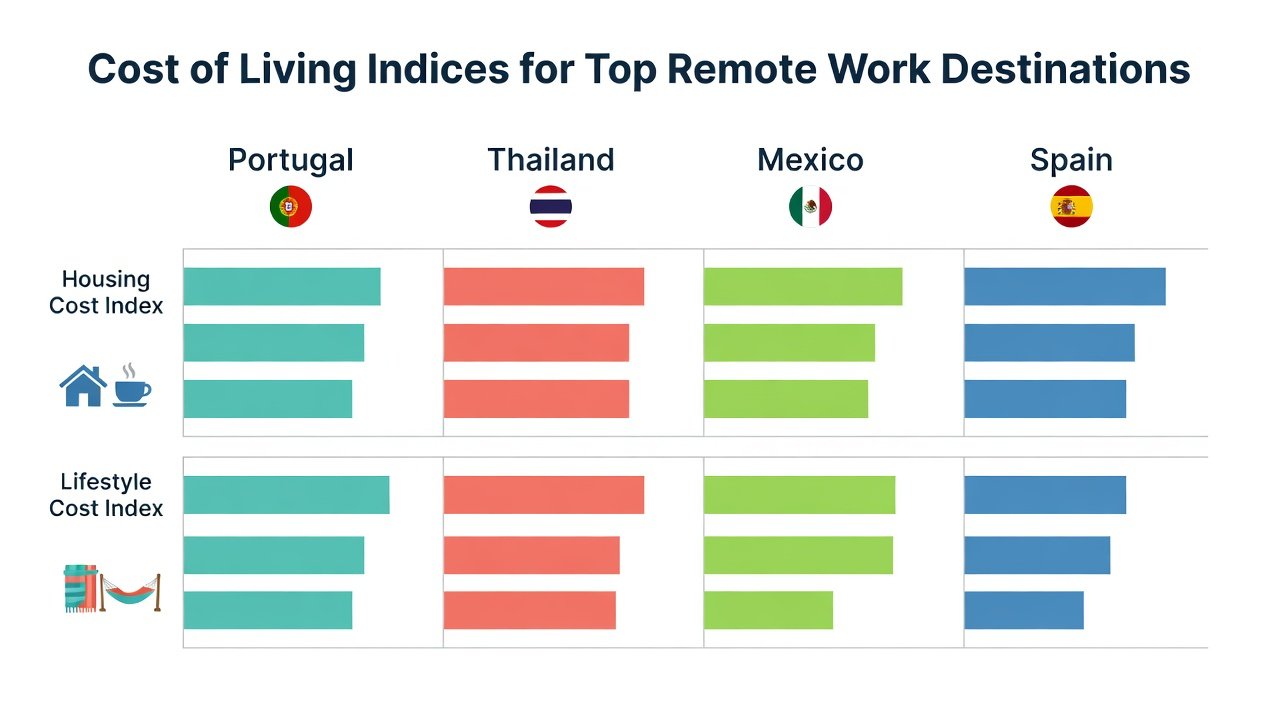
Cost-of-living adjustments form the core of equitable remote compensation. Begin by identifying key expense categories such as housing, transportation, healthcare, and groceries. Apply standardized indices to quantify differences between your current location and the company's primary market. For instance, professionals relocating from high-cost European capitals to Southeast Asian hubs can demonstrate how lower local expenses allow for adjusted base pay while preserving real income value. Document calculations with supporting evidence and present them transparently during talks. Include seasonal variations and infrastructure costs to create a complete picture that employers can easily verify. Breaking down these calculations into monthly and annual projections helps demonstrate long-term financial implications clearly.
Valuing Benefits Like Stipends and Time-Zone Differentials
Modern remote packages extend far beyond base salary. Stipends for home office equipment, high-speed internet, or professional development often represent meaningful additions. Time-zone differentials reward employees who accommodate overlapping hours with headquarters teams, typically through premium pay or flexible scheduling. Evaluate these elements by converting them into annual monetary equivalents. A comprehensive benefits review also considers health coverage portability and retirement contributions that transfer across jurisdictions. When negotiating, itemize each benefit and explain its personal and professional impact to strengthen your overall ask. Consider how these perks align with your career growth and daily productivity needs.
Step-by-Step Negotiation Scripts
Prepare a structured conversation using these proven steps. First, open by expressing enthusiasm for the role and summarizing your research on market benchmarks. Second, state your desired total compensation range while highlighting specific cost-of-living data. Third, propose adjustments with clear rationale and invite employer input. Fourth, address non-salary elements such as stipends or equity grants. Fifth, request a written revision of the offer within a defined timeframe. Sample phrasing includes: "Based on current global benchmarks, a location-adjusted package would allow me to deliver full value while managing expenses effectively." Follow up with questions that clarify employer constraints and explore creative solutions. Practice these scripts to ensure confident delivery and anticipate potential objections.
Real-World Examples from Tech and Finance Roles
Consider a senior software engineer based in Portugal negotiating with a North American technology company. By presenting detailed cost-of-living comparisons, the candidate secured an adjusted base salary plus an annual remote work stipend covering workspace upgrades. In finance, a risk analyst operating from Mexico highlighted strong time-zone alignment with US markets to obtain a modest differential premium and enhanced professional development budget. Another example involves a product manager in Spain who successfully bundled equity refreshers with COL considerations, resulting in a balanced package that accounted for both local taxes and long-term incentives. These cases illustrate how data-driven requests lead to mutually beneficial outcomes across diverse industries.
Comparison Table of Top Countries
| Country | Avg COL Index | Remote-Friendly Perks | Typical Negotiation Leverage |
|---|---|---|---|
| Portugal | Moderate | Golden Visa options, strong internet infrastructure | High for EU-based roles seeking lifestyle balance |
| Thailand | Low | Digital nomad visa programs, affordable housing | Strong for Southeast Asia distributed teams |
| Mexico | Low-Moderate | Proximity to US time zones, cultural alignment | Effective for nearshore finance positions |
| Spain | Moderate | EU market access, high quality of life | Valuable when emphasizing productivity metrics |
Common Mistakes to Avoid in Remote Negotiations
- Failing to document all research with verifiable sources.
- Overemphasizing personal lifestyle preferences instead of business value.
- Ignoring tax treaty implications until after accepting an offer.
- Accepting verbal agreements without requesting written confirmation.
- Neglecting to revisit equity vesting schedules in international contexts.
Handling Tax Implications and Equity in International Offers
FAQs
How do taxes work with remote international offers? Remote workers must navigate tax residency rules and bilateral treaties. Consult official guidance from revenue authorities and review resources available through the IRS for US-connected income and foreign earned income exclusions. Many countries require local filing even when employed by a foreign entity.
What about equity in global roles? Equity grants typically follow the granting company's vesting schedule but may trigger local tax events upon exercise. Review frameworks from institutions such as the OECD for cross-border stock option treatment and consult a tax advisor familiar with your specific jurisdictions.
Can I negotiate tax equalization clauses? Some employers offer tax equalization to prevent double taxation burdens. Request these protections early and provide sample calculations showing net impact on take-home pay.
How should currency fluctuations be addressed? Include periodic review clauses in your agreement that allow salary adjustments based on major exchange rate movements, protecting purchasing power over time. Reference economic outlooks from the World Bank when preparing these clauses.
Conclusion
Successful 2026 remote salary negotiation requires preparation, transparency, and a holistic view of compensation. By combining location-adjusted benchmarks, thoughtful cost-of-living calculations, and clear communication about benefits and equity, professionals can secure packages that reflect true value. Apply these frameworks consistently to achieve sustainable financial outcomes regardless of where you choose to work.
No comments yet. Be the first!