 Jobboy
Introduction to Skills-Based Resumes
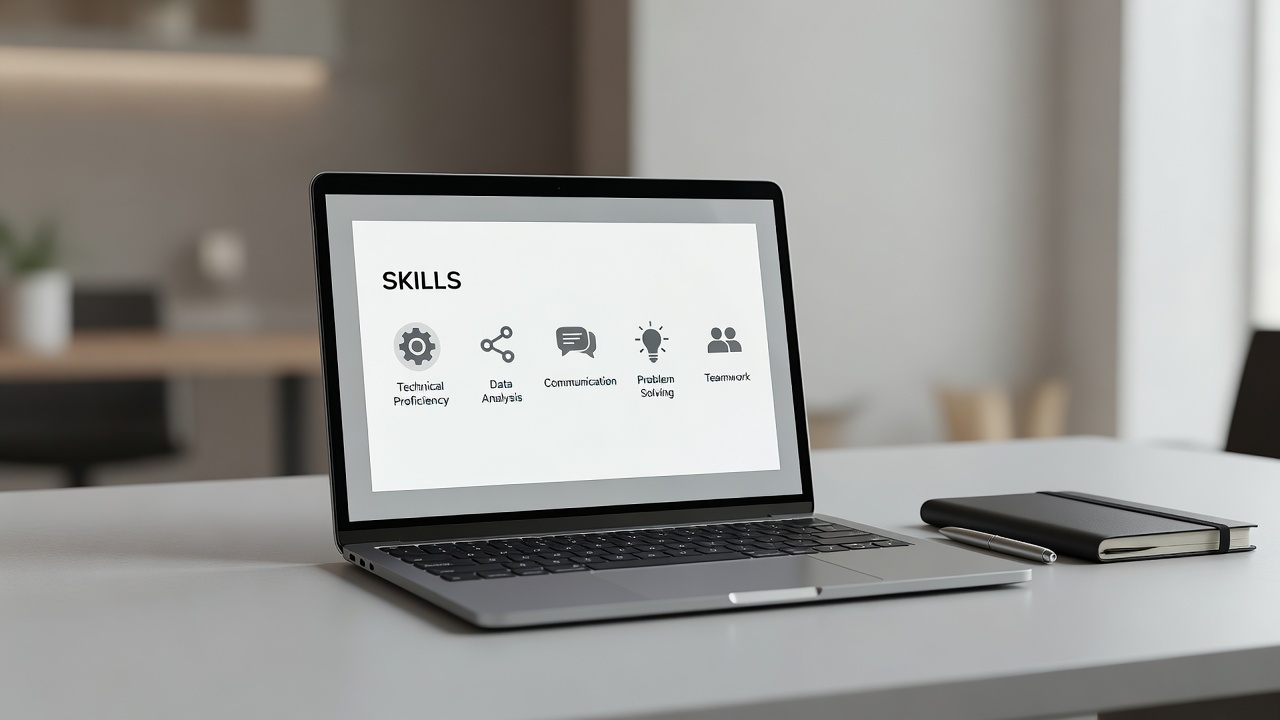
In 2026, hiring trends continue to favor candidates who can demonstrate relevant abilities rather than linear career paths. A skills-based resume prioritizes competencies, making it ideal for job seekers with career gaps, career changers, or those with diverse experiences. This format helps you align your profile with modern employer needs while remaining fully ATS-compatible. As remote work and gig economies expand, recruiters increasingly value proven skills over traditional tenure, allowing professionals to showcase transferable abilities across industries.
Traditional chronological resumes often bury key strengths under job titles and dates. By contrast, a skills-focused approach brings your most marketable abilities to the forefront. Research from sources like LinkedIn shows that recruiters spend just seconds scanning resumes, so leading with skills improves visibility. This guide provides comprehensive, actionable steps to create a resume that stands out in competitive applicant pools while addressing evolving AI-driven screening processes.
Skills-Based vs. Chronological Resumes: Key Differences
Chronological resumes list work history in reverse order, emphasizing progression and tenure. Skills-based resumes reorganize content around core competencies first. This shift benefits applicants whose experience does not follow a straight line, such as those returning to the workforce after parental leave or pivoting from one sector to another. Key distinctions include structure, emphasis, and reader engagement.
- Focus: Abilities and results versus timeline of roles
- Length of experience section: Brief summaries instead of detailed job descriptions
- Best for: Career changers, freelancers, military transitions, and return-to-work candidates
- ATS performance: Higher keyword density in targeted sections without sacrificing readability
Many hiring platforms now incorporate AI that scans for keyword matches and competency signals. A well-structured skills resume improves match rates without keyword stuffing. In practice, this format reduces bias toward lengthy employment histories and highlights what you can deliver immediately in a new role.
Step-by-Step Guide to Building Your Skills-Based Resume
Step 1: Analyze Target Job Descriptions
Start by collecting 5–10 postings for your desired role. Highlight recurring skills, tools, and soft abilities. Group them into categories such as technical, leadership, and communication. Pay attention to both explicit requirements and implied competencies mentioned in company culture sections. This analysis forms the foundation for every subsequent decision in your resume creation process.
Step 2: Identify and Inventory Your Core Skills
Review your background for transferable competencies. Include hard skills like data analysis or project management software, plus soft skills such as stakeholder communication. Use tools like Indeed skill assessments to validate your strengths. Conduct a personal audit by listing past projects, volunteer work, and educational experiences, then map each to the job requirements identified earlier. Seek feedback from mentors or colleagues to uncover skills you may have overlooked.
Step 3: Structure the Resume Sections
Recommended order: Contact information, Professional Summary, Skills section (with subheadings), Selected Experience, Education, and Certifications. Keep the experience section concise—two to three bullet points per role focused on outcomes. The professional summary should be 3–5 sentences that weave in your top skills and career objectives. Under skills, use clear subheadings like Technical Proficiencies, Leadership Abilities, and Analytical Expertise to improve scannability for both humans and ATS software.
Step 4: Integrate Keywords Naturally
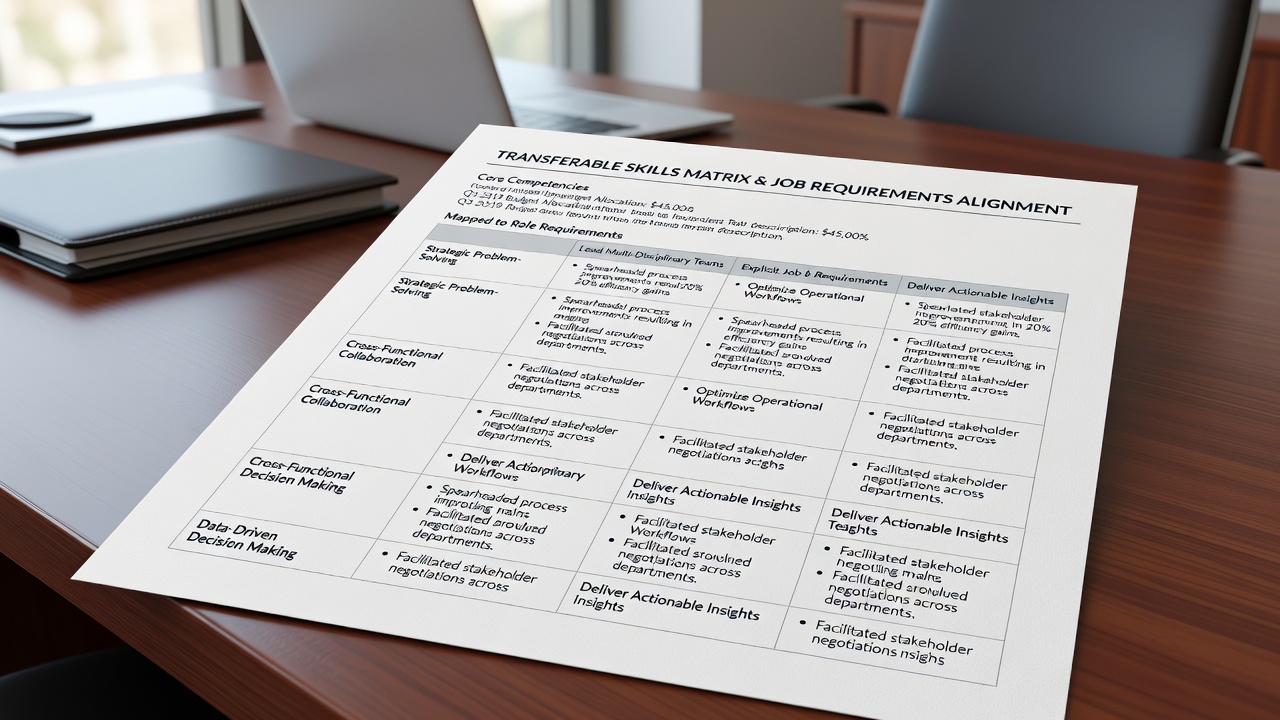
Place primary keywords in the skills section and summary. Secondary terms can appear in experience bullets. Avoid repetition by varying phrasing while staying truthful to your background. For example, instead of repeating “project management” five times, alternate with “led cross-functional initiatives” or “coordinated complex deliverables.” This natural integration maintains authenticity and boosts relevance scores in modern applicant tracking systems.
Step 5: Format for ATS Compatibility
Use standard section headings, simple fonts, and standard file formats (PDF or DOCX). Avoid tables, graphics, and columns that ATS systems may misread. Test your resume by pasting it into plain text editors to ensure content flows logically. Additionally, incorporate industry-specific terminology from 2026 trends such as digital collaboration platforms and data-driven decision making to align with current employer expectations.
Real-World Examples Across Fields
Marketing Professional Transitioning to Content Strategy: Skills section leads with SEO, content planning, audience analytics, and campaign performance measurement. Experience entries highlight measurable results rather than daily tasks, such as “Developed content calendars that increased engagement by 40% across three platforms.” This approach demonstrates direct applicability without emphasizing previous job titles.
Former Teacher Moving into Corporate Training: Core skills include curriculum design, adult learning principles, facilitation, and LMS platforms. Brief job entries emphasize workshop outcomes and participant feedback scores, for instance noting successful training programs that improved team performance metrics. The format reframes classroom management as team leadership and instructional design as corporate learning solutions.
Freelance Designer Seeking In-House Role: Group skills under visual design, brand systems, client management, and collaboration tools. Limit each past client project to one impactful bullet, such as “Created brand guidelines adopted by five clients resulting in consistent visual identity.” This keeps the focus on capabilities while providing concrete evidence of impact.
Common Pitfalls and How to Avoid Them
Many candidates overstuff skills lists or omit context. Always provide brief proof of each skill through results. Another frequent error is neglecting to tailor the resume for each application—customization remains essential even in skills-based formats. Avoid vague statements like “strong communicator” without supporting examples. Finally, do not eliminate all chronological information; recruiters still appreciate a minimal timeline to understand career progression and stability.
FAQ: Skills-Based Resumes in 2026
Will recruiters accept a skills-based format?
Yes, especially when the role values demonstrated ability over tenure. Many forward-thinking companies now prefer this approach for specialized or evolving positions.
How long should the skills section be?
Aim for 8–12 core skills grouped under 3–4 subheadings. Quality and relevance matter more than quantity.
Can I still include dates in a skills-based resume?
Yes, but keep employment dates minimal. Focus attention on what you accomplished rather than how long you stayed in each role.
What optimization tips matter most for 2026?
Incorporate emerging competencies such as AI tool usage and remote collaboration. Update your LinkedIn profile to match the resume language for consistency across platforms.
How do I handle employment gaps in this format?
Address gaps briefly in the experience section or summary by focusing on skill-building activities during that time, such as freelance projects, certifications, or volunteer leadership roles.

No comments yet. Be the first!