 Jobboy

Introduction
Job seekers navigating the competitive landscape of 2026 must decide between investing in professional resume writing services or tackling the task themselves. This decision influences not only immediate application outcomes but also long-term career trajectories. Both paths offer distinct advantages depending on factors such as career stage, industry requirements, available time, and personal writing proficiency. Understanding these nuances helps individuals select the approach that maximizes interview invitations and recruiter interest. This comprehensive comparison draws on current hiring trends, examines practical trade-offs, and provides actionable frameworks for success.
Understanding the 2026 Job Market Context
The employment environment in 2026 emphasizes rapid applicant tracking system screening combined with human recruiter evaluation. Economic shifts and technological advancements have increased the volume of applications per opening, making first impressions critical. Data from labor statistics highlight that resumes failing initial ATS filters rarely reach decision makers. Professionals must therefore balance keyword optimization with compelling storytelling. Whether using external help or self-directed methods, the goal remains creating documents that demonstrate value quickly and clearly.
Cost Versus Time Trade-Offs in Detail
Professional resume services deliver polished results with minimal personal time investment, allowing job seekers to focus on networking and interview preparation. This option suits individuals managing full-time roles or complex career histories involving multiple promotions and achievements. In contrast, the DIY route requires dedicated hours for research, drafting, formatting, and multiple revision cycles. Recent graduates and career changers often gain valuable self-awareness through this hands-on process. The key lies in honestly assessing one's schedule and skill level before committing to either path. Busy executives may find outsourcing frees mental bandwidth, while detail-oriented individuals enjoy the control inherent in self-writing.
Success Rate Data from Recent Hiring Trends
Analysis of 2026 hiring patterns reveals that optimized resumes consistently outperform generic submissions across industries. Tailored documents incorporating relevant keywords and quantifiable accomplishments generate higher callback rates. Government employment resources underscore the importance of aligning applications with specific job requirements. Success depends less on the creation method and more on execution quality. Both professional writers and diligent DIY practitioners achieve strong results when they prioritize clarity, relevance, and measurable impact. Tracking personal application metrics helps refine future strategies regardless of the chosen approach.
Bureau of Labor Statistics offers valuable data on employment trends that inform effective resume strategies.
ATS Compatibility Deep Dive
Applicant tracking systems parse resumes using algorithms that favor standard formatting and explicit section labels. Successful documents employ conventional headings such as Professional Experience, Education, and Skills. Avoiding graphics, text boxes, or unusual fonts prevents parsing errors. Professional services typically maintain libraries of proven templates, while DIY writers benefit from testing files through free online simulators. Keyword integration remains essential; however, overuse or forced placement can harm readability for human reviewers. Striking the right balance requires understanding both technical constraints and narrative flow.
Recruiter Engagement Factors
Recruiters typically review resumes for mere seconds before deciding to proceed. Strong opening summaries, action-oriented bullet points, and visible achievements capture attention immediately. Professional writers excel at distilling complex career stories into concise, persuasive language. DIY candidates retain full control over voice and emphasis but must master these techniques independently. Incorporating metrics such as revenue growth or process improvements elevates impact. Understanding audience expectations within specific sectors further enhances engagement potential.
Real Before-and-After Examples
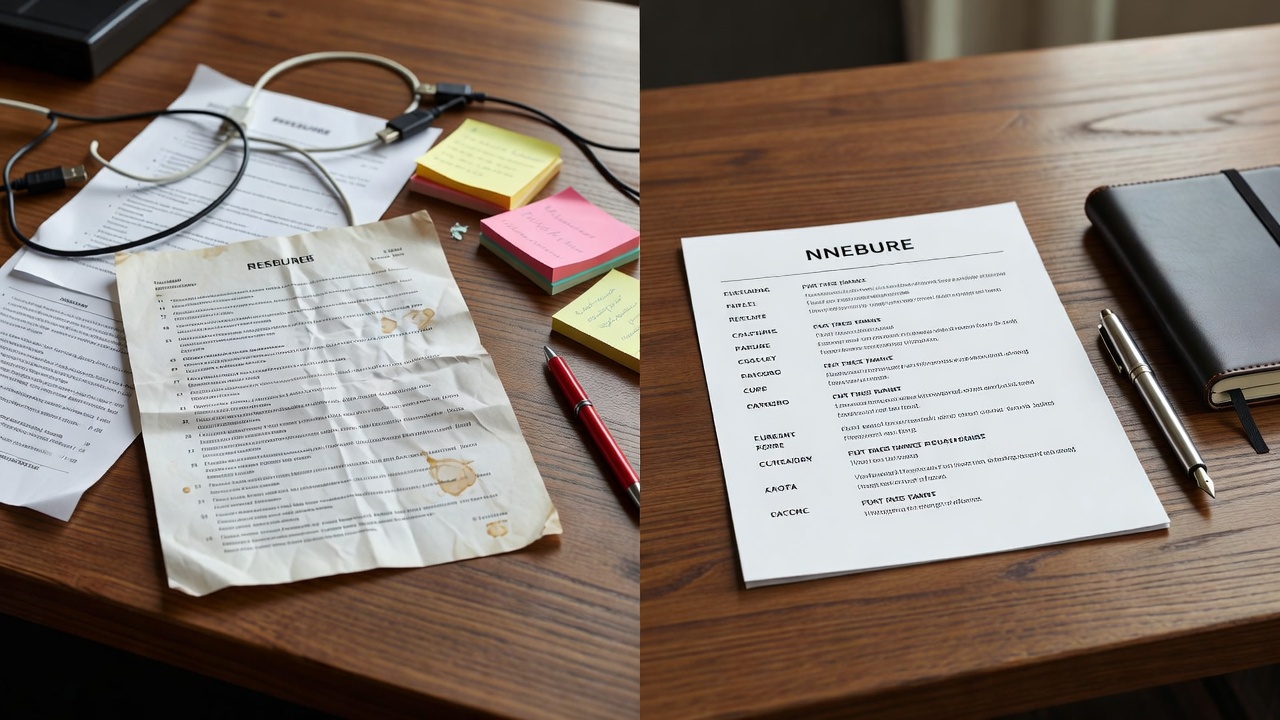
One mid-level project manager transformed a duty-focused resume into an accomplishment-driven document. Original bullet points listed responsibilities like "managed team projects," while the revised version highlighted "led cross-functional teams delivering 15% efficiency gains on enterprise initiatives." This shift produced noticeably higher interview rates. Another example involves a career changer from education to corporate training. The DIY version emphasized transferable skills through detailed project descriptions, securing interest from multiple organizations without external assistance. These cases illustrate how targeted revisions, whether professional or self-directed, elevate document effectiveness.
Step-by-Step DIY Checklist with Explanations
Creating a competitive resume independently requires systematic effort. Begin by analyzing multiple target job descriptions to extract recurring keywords and required competencies. Next, select a clean template featuring ample white space and standard fonts such as Arial or Calibri. Draft experience sections using strong action verbs followed by specific results. For instance, replace vague statements with precise outcomes supported by percentages or dollar figures where possible. After initial drafting, seek feedback from mentors or peers familiar with your target field. Finally, export the file in both PDF and Word formats and verify compatibility using ATS testing tools. This methodical process ensures thoroughness and reduces oversights.
- Compile a master list of achievements from each role
- Customize content for every application rather than using one generic version
- Incorporate industry-specific terminology naturally throughout
- Proofread for grammar, consistency, and formatting errors multiple times
- Update contact information and LinkedIn alignment before submission
Red Flags When Evaluating Service Providers
Not all resume writing companies deliver equal quality. Warning signs include guarantees of interviews or job offers, which reputable professionals avoid because hiring outcomes involve many variables. Generic template usage without personalization also indicates lower standards. Seek providers offering transparent processes, industry-specific writer expertise, and clear revision policies. Request sample work relevant to your sector before engaging. Strong communication and willingness to understand your unique background signal higher-value service. Avoiding pressure tactics or hidden fees protects both budget and final product quality.
Decision Framework by Career Stage
Entry-level candidates often benefit from DIY methods because they build foundational skills and maintain lower costs during initial job searches. Mid-career professionals with intricate trajectories frequently achieve better results through professional assistance that highlights progression and leadership impact. Executives require sophisticated positioning that aligns personal branding with organizational strategy, making specialized services advantageous. Regardless of stage, evaluate timeline urgency, confidence in writing abilities, and complexity of career narrative when deciding. Hybrid approaches, such as using professional editing on a self-drafted base, also merit consideration.
| Career Stage | Recommended Approach | Key Reason |
|---|---|---|
| Entry-level | DIY with templates | Builds skills and controls expenses |
| Mid-career | Professional service | Handles narrative complexity effectively |
| Executive | Professional service | Strategic storytelling and executive presence |
Industry-Specific Considerations
Technology roles prioritize technical skills and project outcomes, while healthcare positions emphasize compliance, patient metrics, and certifications. Creative fields value portfolio integration and distinctive formatting, whereas government applications often follow rigid structures. Tailoring strategy to sector norms improves relevance. Researching typical resume conventions within target industries provides additional guidance whether pursuing DIY or professional routes.
Measuring Resume Effectiveness
Track key performance indicators such as application-to-interview conversion rates and recruiter feedback. Tools like LinkedIn analytics and job board insights offer visibility into document performance. Periodic updates based on results ensure continued competitiveness. Both professional and self-written resumes require ongoing refinement as careers evolve.
Department of Labor resources support informed career and application decisions.
FAQ
Can professionally written resumes be customized for each application?
Quality providers deliver editable documents that encourage personalization of keywords and details for every role.
What revision policies should I expect?
Reputable services generally include one or two rounds of revisions within a specified timeframe after initial delivery.
Does the DIY method work in highly competitive industries?
Many candidates succeed independently by following current best practices, validating content against postings, and iterating based on feedback.
How do I verify ATS compatibility myself?
Use free online simulators and submit test applications through major job portals to confirm parsing accuracy.
Are there long-term benefits to learning resume writing?
Yes, mastering the skill supports ongoing career management and future transitions without repeated external costs.
Conclusion
Choosing between professional resume services and DIY ultimately hinges on individual circumstances. By weighing time investment against desired outcomes, analyzing career complexity, and applying the frameworks outlined above, job seekers position themselves for stronger results in 2026. Consistent evaluation and adaptation remain essential for sustained success.


No comments yet. Be the first!