 Jobboy

Introduction: Why 2026 Resume Strategies Matter for Career Returners
Returning to the workforce after a career break can feel daunting, especially with evolving hiring standards in 2026. Employers now prioritize skills-based hiring, AI-driven applicant tracking systems (ATS), and concise narratives that quickly demonstrate value. This guide provides actionable resume and cover letter tips tailored for professionals re-entering after family responsibilities, sabbaticals, or other breaks. By reframing gaps positively and modernizing your materials, you can minimize red flags and stand out in a competitive market.
According to recent labor insights from the Bureau of Labor Statistics, many organizations actively seek experienced candidates with diverse backgrounds. The key is presenting your time away as a period of growth rather than absence. This comprehensive approach includes step-by-step instructions, real before-and-after examples, format comparisons, and answers to common questions, ensuring your materials align with current expectations.
Reframing Employment Gaps on Your 2026 Resume
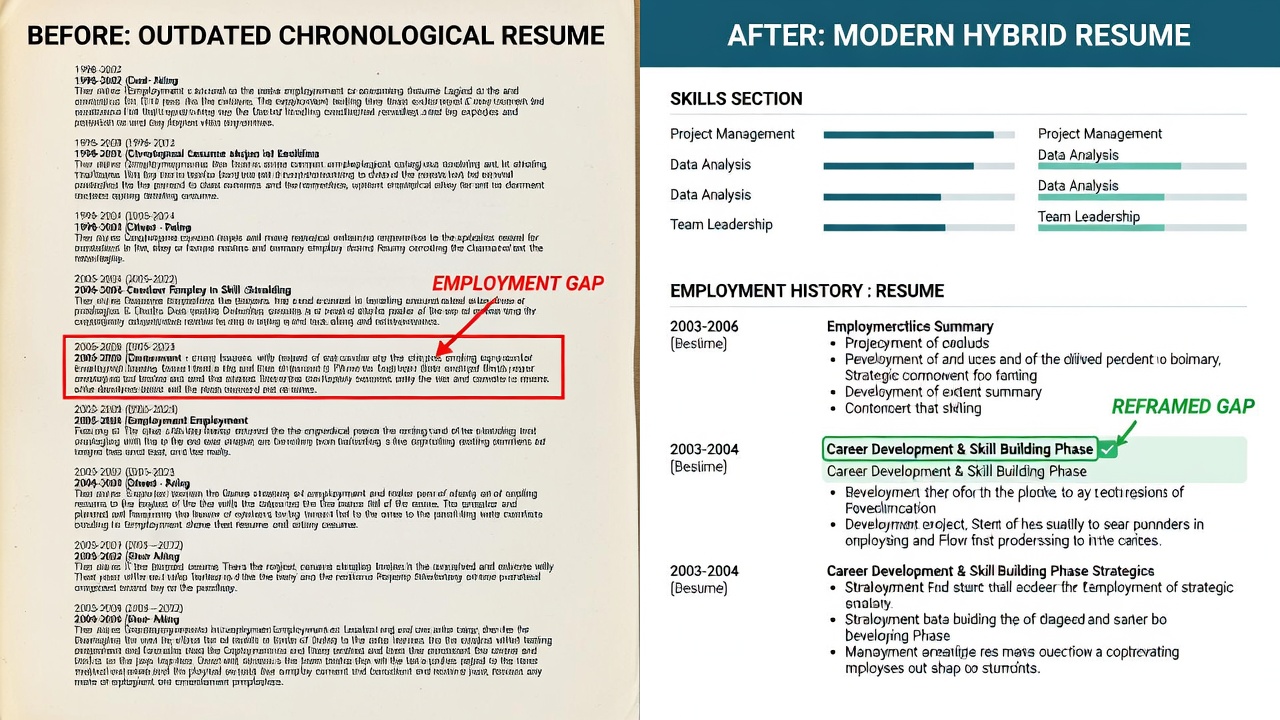
Employment gaps remain one of the biggest concerns for returners. Instead of hiding them, address gaps head-on with brief, positive explanations. Use a functional or hybrid resume format to lead with skills rather than dates. For example, if you took time off for family caregiving, phrase it as: "Career Break (2023–2025): Managed household operations and developed project management skills through volunteer coordination." This transforms the gap into evidence of relevant abilities. Avoid vague terms like "personal reasons" and focus on outcomes. Longer gaps benefit from grouping activities under one entry to show continuity, such as listing freelance consulting or online courses alongside the break period.
Showcasing Transferable Skills Effectively
Transferable skills are your strongest asset when returning in 2026. Identify abilities gained during your break—such as budgeting from household management or communication from community involvement—and map them to job requirements. Create a dedicated "Core Competencies" section at the top of your resume with 8–10 bullet points. Examples include project coordination from organizing family schedules, financial oversight from managing expenses, digital literacy from online learning platforms, conflict resolution from community roles, and time management from balancing multiple responsibilities. Quantify where possible: "Coordinated logistics for 50+ volunteer participants, improving efficiency by 30%." To identify these skills, review job descriptions for keywords and match them to your experiences, then weave them into achievement statements throughout the resume.
Comparing Chronological vs. Functional Resume Layouts
Choosing the right format is crucial for ATS compatibility in 2026. Chronological resumes list experience in reverse order and work well for those with recent relevant roles. Functional resumes emphasize skills and minimize dates, making them ideal for longer breaks. Most experts recommend a hybrid approach: Start with a skills summary, followed by a concise work history. This balances ATS readability with human appeal. Pros of chronological: Highlights career progression clearly. Cons: Emphasizes gaps. Pros of functional: Focuses on abilities. Cons: May raise ATS flags if overused. Test your resume by pasting it into free ATS simulators available on major job platforms and adjust accordingly for optimal parsing.
Modernizing Outdated Resume Sections
Remove or update elements that date your document. Eliminate objectives in favor of professional summaries. Trim references to older technologies and add current tools like AI collaboration platforms or remote collaboration software. Limit your experience to the last 10–15 years unless earlier roles are highly relevant. Before example: Objective: Seeking a position in marketing. After example: Results-driven marketing professional with 8 years of experience driving digital campaigns; eager to leverage volunteer social media management skills in a 2026 remote role. Also update contact information to include LinkedIn profiles optimized with recent keywords and remove physical addresses if applying remotely.
Adding Recent Upskilling, Volunteer Work, and Certifications
2026 employers value continuous learning. Dedicate a section to "Professional Development" that includes online courses, certifications, or volunteer leadership. Platforms like Coursera or LinkedIn Learning offer quick credentials that demonstrate initiative. Volunteer roles should be listed with achievements: "Volunteer Coordinator, Local Food Bank (2024–2025): Led team of 15, increasing donations by 25%." This bridges gaps while showcasing leadership. Consider short certifications in high-demand areas such as data analysis basics or project management fundamentals to strengthen your profile quickly.
Ensuring Consistency Between Resume and Cover Letter
Your cover letter must echo the resume narrative without repetition. Use it to expand on one key gap or achievement. For instance, reference a sabbatical project that built expertise mentioned in your skills section. Maintain consistent language, dates, and tone across both documents to build credibility. If your resume highlights a specific skill, the cover letter should provide a brief story illustrating its application during your break.
Step-by-Step Instructions to Update Your Materials
- Audit your current resume for outdated sections and gaps longer than six months, noting exact dates and reasons.
- Compile a list of transferable skills and recent activities by reviewing past jobs and break-period experiences.
- Select a hybrid format and rewrite your summary to include 2026-relevant keywords.
- Incorporate keywords from target job descriptions for ATS optimization, aiming for natural density.
- Proofread and run through an ATS checker, then seek feedback from a mentor or career coach.
- Customize the cover letter to address the break positively with one concrete example.
- Download a free checklist template from career sites to verify completeness before submission.
Mistakes to Avoid When Updating Your Resume
Common pitfalls include over-explaining gaps with emotional language, using inconsistent formatting that confuses ATS, and failing to tailor for each application. Another error is neglecting to include any recent activity, which can make the break appear longer. Always use standard section headings like "Experience" instead of creative titles, and proofread for grammar to maintain professionalism.
Handling Specific Types of Career Breaks
Family-related breaks should emphasize organizational and multitasking skills gained. Sabbaticals can highlight personal growth or travel-based learning. Health-related pauses benefit from neutral phrasing focused on recovery and renewed energy. In each case, tie the experience back to job-relevant strengths without oversharing personal details.
Common Questions About Addressing Family or Sabbatical Periods
How long should gap explanations be? Keep them to one line on the resume and expand in the cover letter if needed.
Should I mention mental health breaks? Only if relevant to the role; otherwise, use neutral phrasing like "Professional development sabbatical."
Is a functional resume still effective in 2026? Yes, when combined with a skills-first approach that satisfies ATS requirements.
What if my break was due to relocation? Frame it as gaining new perspectives and adaptability through the move.
How do I address multiple short gaps? Group them into a single "Career Transition Period" entry with highlights of interim learning.
Conclusion
With targeted updates, your 2026 resume can effectively showcase your readiness to return. Focus on skills, positive framing, and ATS optimization to increase interview chances. Start by reviewing one section today and build from there for a successful re-entry.


No comments yet. Be the first!