 Jobboy
Introduction
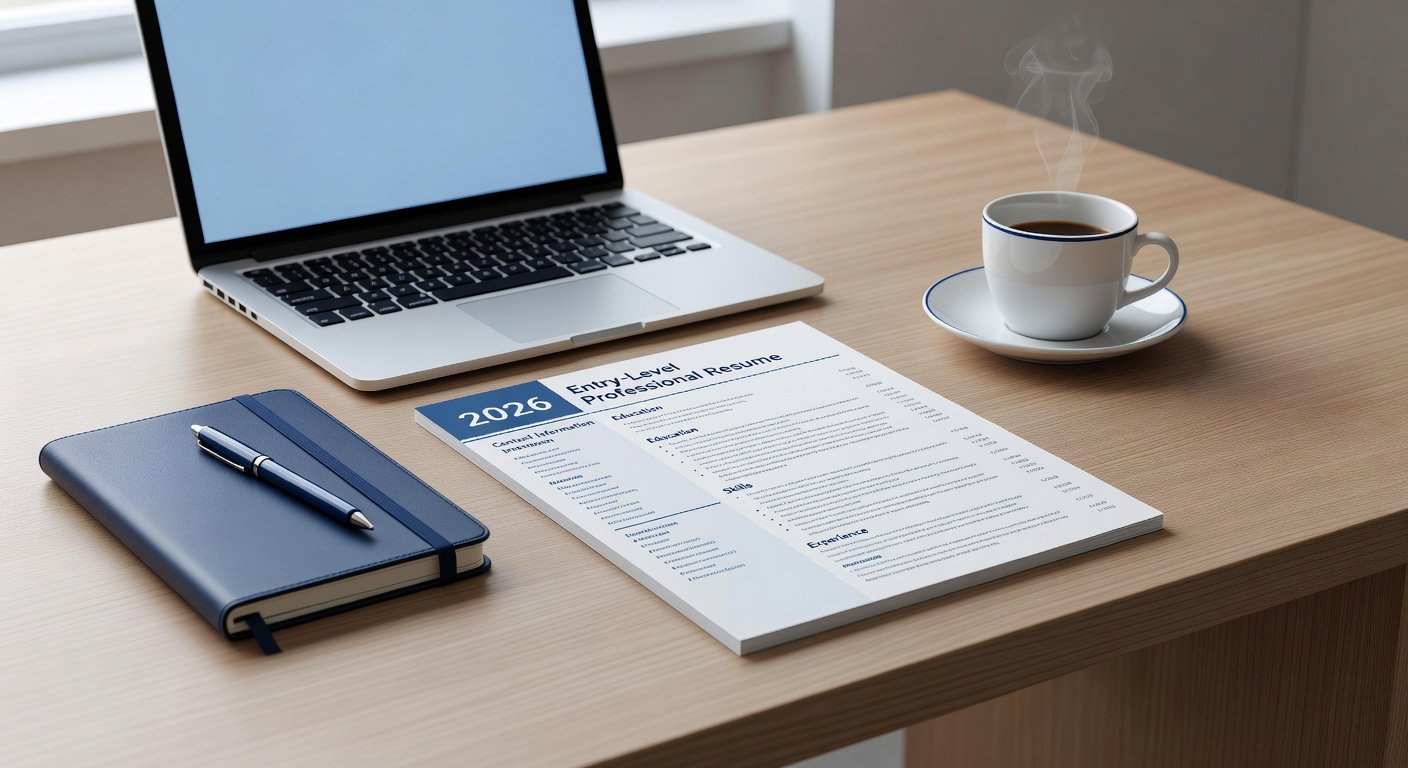
Entering the job market for the first time can feel overwhelming, especially when you have little or no professional experience. In 2026, recruiters continue to value clear, well-organized resumes that highlight potential over extensive work history. This comprehensive guide walks you through every step of creating an effective entry-level resume, from identifying transferable skills to choosing modern layouts that make your document easy to scan and stand out in competitive applicant pools.
Whether you are a recent graduate, career changer, or someone returning to work after a break, the strategies below focus on education, internships, volunteer roles, and personal projects. By following these steps, you will build a polished resume ready to submit with confidence. The process emphasizes practical techniques that align with current hiring trends, ensuring your document reflects your strengths effectively.
Identifying Transferable Skills from Education and Activities
Many first-time resume writers overlook valuable experiences gained outside formal jobs. Start by listing courses, group projects, part-time roles, internships, volunteer work, and extracurricular activities. Focus on outcomes rather than duties. For example, organizing a campus fundraiser demonstrates project management and communication skills while also showing initiative and budgeting abilities.
Common transferable skills include teamwork, time management, research, problem-solving, and digital literacy. Map each experience to these skills using specific examples. A volunteer tutoring position might translate to leadership and adaptability, while participating in a debate club highlights critical thinking and public speaking. This exercise builds a strong foundation before you write any section of your resume. Consider creating a master list of all experiences first, then refine it by matching skills to job postings you are targeting. This approach helps reveal hidden strengths you may not have considered initially.
Structuring Your Resume with Essential Sections
Keep the layout simple and logical. Most entry-level resumes include these core sections in this order: contact information, professional summary, education, skills, and relevant experience or activities. Add a projects or certifications section if applicable to showcase additional qualifications like online courses or personal initiatives.
Your professional summary should be three to four lines that state your career goal and two or three key strengths supported by brief evidence. Education comes next and should list your degree, institution, graduation year, GPA if above 3.5, and relevant coursework with brief descriptions of key learnings. The skills section works best as a bulleted list or two-column format using keywords from job descriptions to improve relevance. Experience sections should use action verbs and quantify results where possible, even if from non-professional roles.
Step-by-Step Formatting Instructions
- Choose a clean sans-serif font such as Calibri or Arial at 10–12 point size for body text and slightly larger for headings.
- Set margins to 0.7–1 inch on all sides for readability and to avoid a cramped appearance.
- Use bold headings and consistent spacing between sections, aiming for 0.5-inch gaps to create visual breathing room.
- Align dates and locations to the right for a polished, organized look that guides the reader’s eye.
- Save the file as a PDF to preserve formatting across devices and applicant tracking systems.
- Incorporate subtle color accents sparingly for section headers in modern designs, ensuring they print well in black and white.
Limit your resume to one page unless you have substantial relevant experience. White space improves scannability, so avoid overcrowding the page with excessive text or graphics.
Traditional vs Modern Resume Layouts
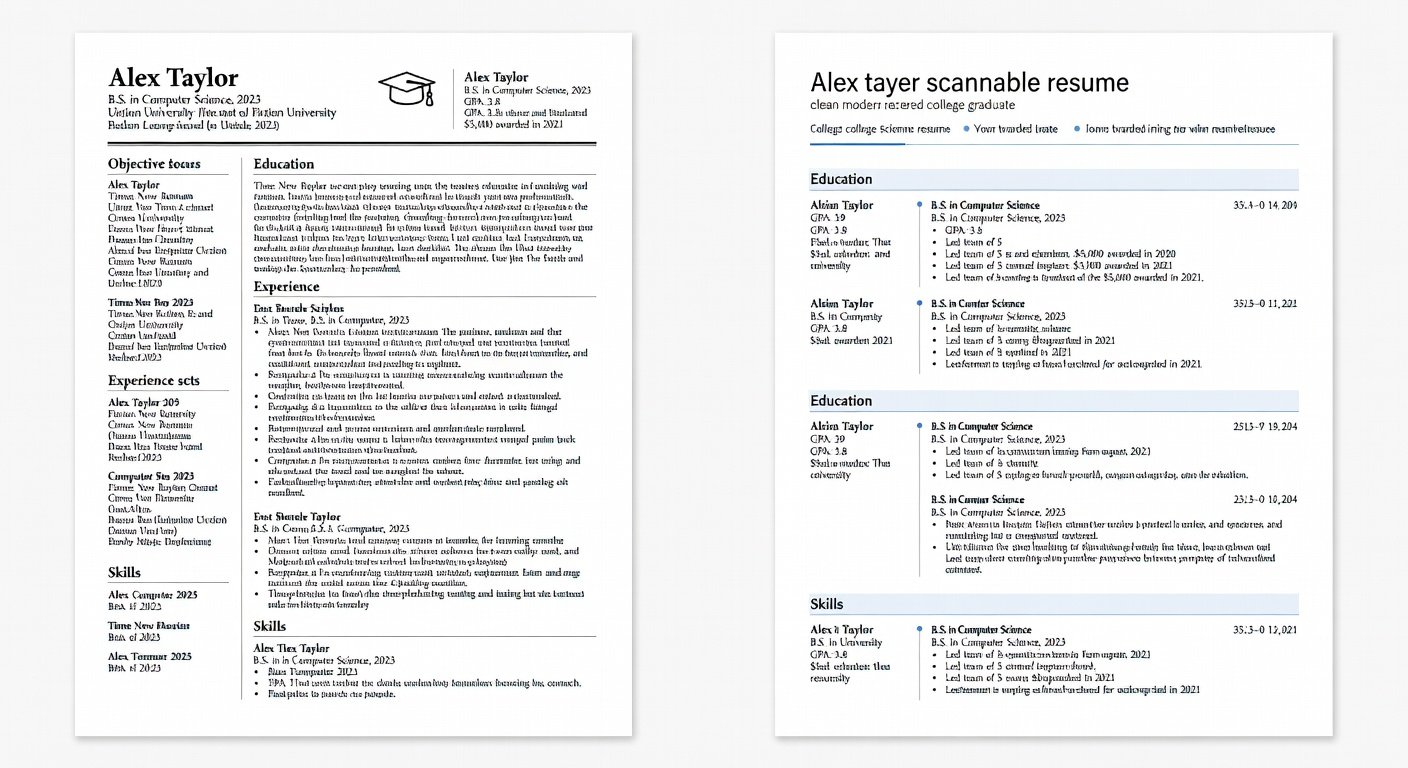
Traditional layouts rely on dense paragraphs and strict chronological lists that can feel outdated in today’s fast-paced hiring environment. Modern 2026 designs favor concise bullets, subtle color accents for headings, and ample white space to create a more inviting and professional appearance. A hybrid approach works well for beginners: keep the structure traditional but adopt modern visual elements like horizontal lines or icons sparingly to enhance readability without distraction.
Modern layouts help recruiters quickly locate key information within the first few seconds of review. Test both styles by printing drafts and asking a mentor for feedback on clarity and impact. Consider factors like industry norms when deciding between the two, as creative fields may embrace more modern elements while conservative sectors prefer cleaner traditional formats.
Real Entry-Level Resume Example
Consider this condensed example for a marketing graduate applying to digital roles:
Professional Summary
Recent marketing graduate with strong content creation and social media analytics skills developed through academic projects and a summer internship. Eager to contribute to a growing digital team by applying classroom knowledge in consumer behavior and data-driven strategies to support campaign success.
Education
Bachelor of Science in Marketing, State University, May 2025
Relevant Coursework: Digital Marketing Strategies, Consumer Behavior Analysis, Data Analytics Fundamentals, and Brand Management Principles
Skills
SEO Optimization, Google Analytics, Content Writing and Editing, Canva Design Tools, Team Collaboration Platforms, Basic HTML Knowledge
Experience
Marketing Intern, Local Startup – May 2024 to August 2024
• Developed 15 social media posts that increased engagement by 40 percent through targeted audience research
• Assisted with email campaign analysis using provided analytics tools, resulting in improved open rates
Additional Activities
Volunteer Content Coordinator, University Sustainability Club – 2023 to 2025
• Created monthly newsletters reaching over 500 students and coordinated event promotions
Checklist to Avoid Common Pitfalls
- Proofread for spelling and grammar errors at least twice, and consider using free online tools for an initial review.
- Remove personal details such as age, marital status, or photos unless required by the specific industry or country.
- Tailor the summary and skills for each application by incorporating exact phrases from the job description.
- Quantify achievements whenever possible to provide concrete evidence of your impact.
- Verify all contact information is current, professional, and includes a LinkedIn profile URL if available.
- Ensure consistent formatting throughout, including bullet style, date format, and font usage.
Frequently Asked Questions
How long should my first resume be?
One page is ideal for most entry-level candidates. Focus on quality over quantity and remove older or unrelated items if the document exceeds one page. Prioritize the most relevant experiences and skills to keep the content concise yet impactful.
Should I include a photo?
In the United States, photos are generally discouraged on resumes to avoid bias. Only add one if applying for roles in modeling, acting, or certain international markets where it is standard practice. Always research the specific expectations of your target industry first.
Do I need to list references?
Save space by stating “References available upon request” or omit the line entirely. Prepare a separate reference sheet with three professional or academic contacts instead, and have it ready to provide when requested during the application process.
What if I have gaps in my timeline?
Address gaps honestly by focusing on what you did during that time, such as skill-building courses, volunteer work, or personal projects. Frame these positively in your experience or additional sections to demonstrate continuous growth.
How often should I update my resume?
Update your resume after every new experience or skill acquisition, and tailor it before each application. Regular reviews ensure it remains current and aligned with evolving job market demands.
Conclusion
Creating your first resume is a skill that improves with practice and iteration. By focusing on transferable experiences, using a clean modern layout, and following the step-by-step process above, you will produce a document that effectively showcases your potential. Incorporate feedback from mentors or career advisors to refine further. Update it regularly as you gain new experiences, and always tailor it to the roles you target. Start drafting today using the structure and checklist provided to take the first step toward your professional goals. For additional career resources, explore guidance from authoritative sites like the Bureau of Labor Statistics, the Department of Labor, and LinkedIn to stay informed on best practices.
No comments yet. Be the first!