 Jobboy

Why Informal Leadership Matters on 2026 Resumes
Mid-career professionals without formal manager titles often lead projects, mentor teammates, and drive results. Recruiters in 2026 value these experiences because they signal potential for growth. Highlighting informal leadership helps your resume stand out in competitive applicant pools where many candidates list only titles. Search data shows rising interest in leadership potential for non-executive roles. Employers seek evidence of initiative beyond job descriptions. Demonstrating this on resumes builds credibility and increases interview chances for roles that require influence without direct authority.
Many organizations now prioritize soft skills and demonstrated impact over hierarchical titles. Informal leaders who coordinate efforts, resolve issues, and inspire peers often deliver outsized results. By surfacing these contributions, you position yourself as ready for advancement even if your current title does not reflect managerial status.
Identifying Your Informal Leadership Experiences
Start by reviewing past roles for moments where you influenced outcomes without authority. Common examples include guiding cross-functional teams, training new hires, resolving conflicts, or championing process improvements. Document specific instances with context, actions, and results to prepare strong bullet points. Break down each role chronologically and ask targeted questions such as who benefited from your input, what changed because of your involvement, and how success was measured by stakeholders.
Consider peer feedback sessions, project retrospectives, or performance reviews for overlooked examples. Mid-career professionals frequently underestimate their influence in areas like knowledge sharing or crisis response. Create a master list of ten to fifteen potential examples before narrowing to the strongest three per position.
Powerful Action Verbs for Leadership Bullets
Replace passive language with dynamic verbs that convey initiative. Effective choices include spearheaded, facilitated, mentored, coordinated, influenced, and orchestrated. These words help ATS systems and human readers quickly recognize leadership impact. Additional strong verbs are championed, mediated, guided, aligned, and mobilized. Rotate verbs across bullets to avoid repetition while maintaining relevance to the specific contribution.
Quantifiable Metrics That Strengthen Claims
Pair verbs with numbers whenever possible. Metrics such as team size guided, percentage improvements achieved, or time saved demonstrate real value. For instance, instead of vague statements, note how your coordination reduced project delays by 25% or mentored five colleagues who later earned promotions. When exact numbers are unavailable, use ranges or relative comparisons such as “among the top 10% of contributors” or “exceeding team average by 15%.”
Before-and-After Bullet Examples
Weak: Led team meetings.
Strong: Facilitated weekly cross-department meetings for 12 colleagues, resulting in streamlined workflows that cut approval times by 30%.
Weak: Helped new hires.
Strong: Mentored eight new team members through onboarding processes, improving their first-quarter productivity by 40% as measured by supervisor feedback.
Weak: Improved processes.
Strong: Orchestrated a peer-driven process review that identified inefficiencies, delivering $50K in annual cost savings through implemented recommendations.
Weak: Supported client relations.
Strong: Influenced key client retention strategies by leading internal feedback sessions, achieving a 22% increase in renewal rates over six months.
Weak: Trained staff on tools.
Strong: Coordinated training sessions for 15 colleagues on new project management software, accelerating team adoption by three weeks and reducing support tickets by 45%.
ATS-Friendly Phrasing Techniques
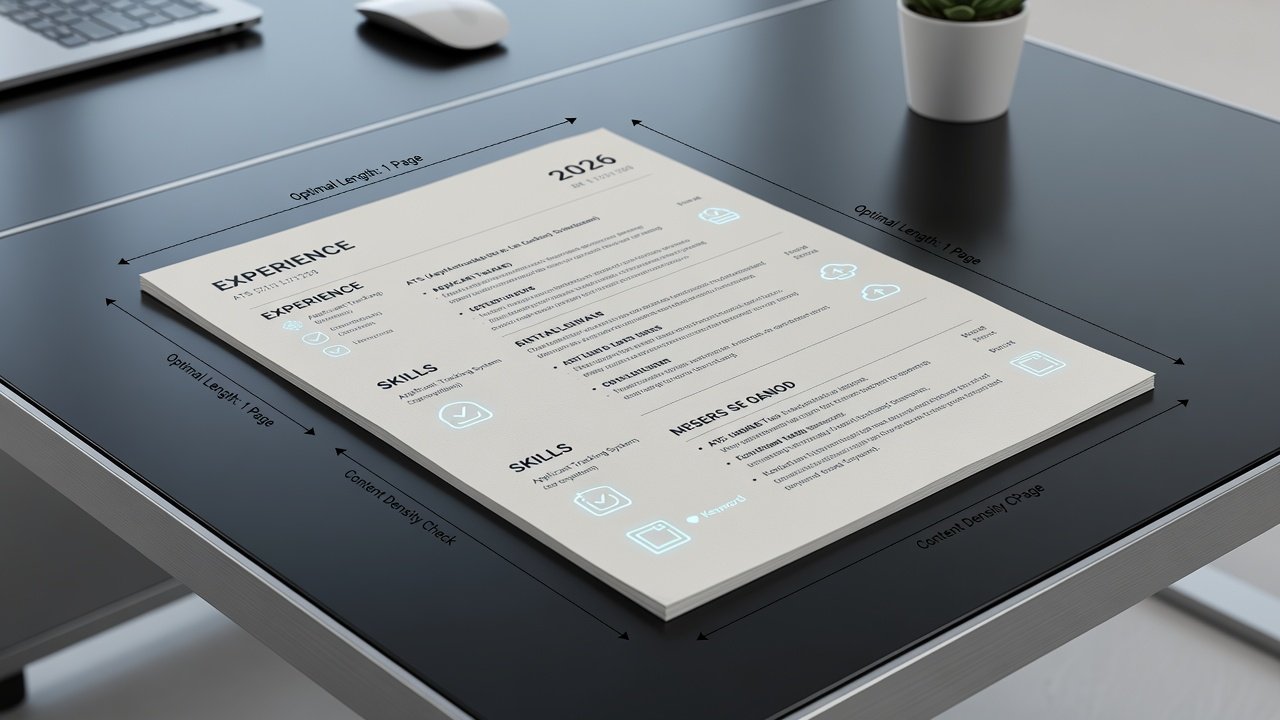
Use standard section headings like Professional Experience and incorporate keywords naturally from job descriptions. Avoid tables, graphics, or unusual formatting that confuses parsing software. Place leadership examples early in bullets and repeat relevant terms across the resume for better matching. Incorporate industry-specific terminology such as “stakeholder alignment” or “cross-functional collaboration” when they appear in the target posting. Test your final document by copying text into a plain text editor to confirm all content remains readable and properly ordered. One helpful resource is Indeed for current ATS best practices.
Applying the STAR Method for Stronger Impact
Structure stories using Situation, Task, Action, and Result. This framework turns vague duties into compelling narratives. For example: Situation – team missed deadlines; Task – improve coordination; Action – implemented peer check-ins; Result – on-time delivery rate rose to 95%. Expand these into full resume bullets or interview answers. Another example: Situation – new software rollout caused confusion; Task – ensure smooth adoption; Action – created peer mentoring pairs and quick-reference guides; Result – 90% of users reported confidence within two weeks. The STAR approach ensures every bullet contains clear context and measurable outcomes rather than generic responsibilities.
Integrating Informal Leadership into Cover Letters
Connect specific examples to the target role in your cover letter. Open with a leadership story that aligns with company needs, then tie it to measurable outcomes. Keep paragraphs concise and end with enthusiasm for contributing similar value. This narrative approach complements the resume and humanizes your application. For instance, begin with “In my previous role I facilitated cross-team alignment that improved delivery speed by 30%, and I am eager to bring that same collaborative approach to your upcoming product launch.” Reference LinkedIn career advice sections for additional phrasing ideas that resonate with hiring managers.
Step-by-Step Checklist for Implementation
- Audit past roles for informal leadership moments by reviewing calendars, emails, and project notes for influence points.
- Select three to five strongest examples per position, prioritizing those with clear metrics and relevance to the new role.
- Choose precise action verbs and add metrics, ensuring each bullet starts with a verb and ends with a result.
- Apply STAR structure to each bullet so situation and task provide context before the action and outcome.
- Optimize for ATS with keywords and clean formatting, verifying the document parses correctly in text-only view.
- Review cover letter for consistent storytelling that expands on one or two resume examples with additional context.
- Proofread for clarity and avoid overstatements by confirming every claim can be supported in an interview.
- Test resume with online ATS scanners before submission and gather feedback from a trusted colleague or mentor.
Common Pitfalls and FAQs
How do I avoid overclaiming leadership?
Stick strictly to actions you personally drove or significantly influenced. Use collaborative language like “co-led” when appropriate and always tie claims to verifiable results. Overstating can damage credibility during reference checks.
What if my examples feel too small?
Even modest contributions count when quantified. Focus on relative impact, such as percentage changes or number of people affected, rather than absolute scale. Small wins compound into compelling patterns across multiple roles.
Should I list informal roles in a separate section?
Integrate examples within existing job entries for context. A dedicated Leadership Highlights section can work if kept brief and tied to employment history, but avoid creating the impression of inflated titles.
How recent should examples be?
Prioritize experiences from the last five to seven years while including one or two older standout cases if they demonstrate consistent patterns of influence and growth.
Can I use informal leadership from volunteer work?
Yes, provided you clearly label the context and connect the skills to professional settings. Volunteer examples often illustrate leadership in resource-constrained environments that employers value.

Conclusion
Showcasing informal leadership on 2026 resumes requires deliberate examples, strong verbs, metrics, and clear structure. Mid-career professionals who apply these techniques position themselves as high-potential candidates ready for greater responsibility. Follow the checklist, refine with STAR stories, and tailor applications to each opportunity for maximum results. Consistent application of these methods across resumes and cover letters increases visibility to recruiters seeking future leaders.
No comments yet. Be the first!