 Jobboy

Introduction: Balancing AI Efficiency with Authenticity in 2026
Artificial intelligence has transformed how job seekers create resumes and cover letters, offering speed and structure. Yet ethical concerns around originality, ATS compatibility, and recruiter trust remain critical in 2026. This guide provides practical steps to leverage AI responsibly without compromising your personal narrative or risking penalties. Search intent for this topic centers on finding methods that combine AI speed with human oversight. Recruiters increasingly use detection tools, making authenticity essential. By following ethical practices, you maintain credibility while benefiting from AI's capabilities. Many applicants now turn to AI for initial drafts but quickly learn that over-reliance can dilute their story or trigger automated flags during screening processes.
Why Ethical AI Matters for Resumes and Cover Letters
Using AI unethically can lead to plagiarism flags, generic content that fails ATS scans, or even job offers rescinded upon discovery. Ethical use preserves your voice and ensures applications reflect real experiences. Major platforms now flag heavily AI-generated text, so transparency and editing are key. Consider how AI drafts provide starting points, but human input adds the details that make you stand out. This approach aligns with evolving hiring standards where personalization wins interviews. In competitive markets, candidates who demonstrate genuine reflection through tailored applications often advance further than those submitting polished but impersonal materials.
Step-by-Step Process for Editing AI Drafts
- Generate an initial draft using your chosen tool, inputting accurate details about your background and target role.
- Review for factual accuracy and replace generic phrases with specific achievements from your career history.
- Infuse personal anecdotes or unique phrasing to reflect your communication style and professional journey.
- Run the document through ATS simulators and readability checkers to ensure compatibility with common applicant tracking systems.
- Seek feedback from a mentor or peer before finalizing, focusing on tone and clarity.
- Iterate on the draft multiple times, comparing versions to highlight improvements and maintain consistency across sections.
This structured editing ensures the final product feels authentic while retaining efficiency gains. Taking time at each stage prevents common pitfalls like mismatched dates or exaggerated accomplishments.
Ethical vs. Unethical AI Outputs: Real Examples
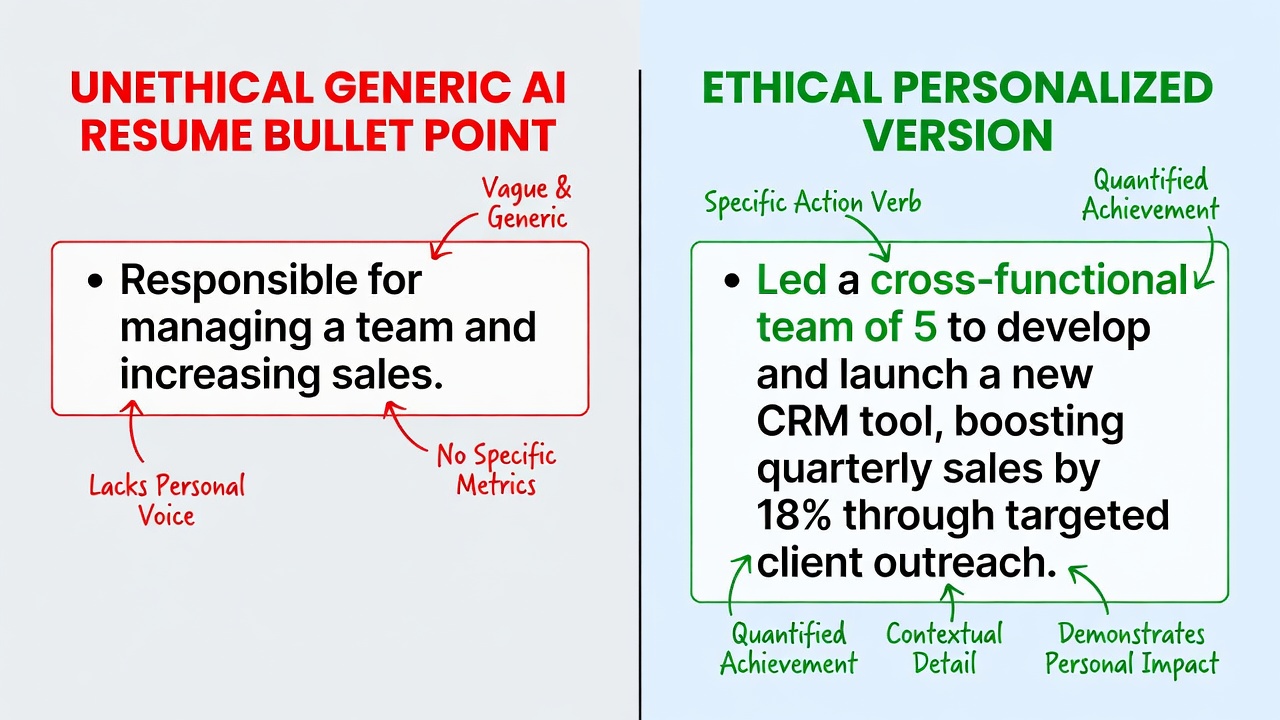
Unethical example: An AI-generated bullet point like "Led cross-functional teams to achieve 200% revenue growth" without any basis in your history. This risks detection and ethical violations if discovered during background checks. Ethical version: "Collaborated with marketing and sales teams to launch a campaign that increased leads by 45% in Q3, based on my direct project involvement and weekly progress tracking." The difference lies in verifiable details and your authentic tone. Another before-and-after sample involves cover letter openings. Unethical: A generic paragraph praising the company without specifics. Ethical: A paragraph connecting your past volunteer work directly to the organization's recent initiatives, showing researched alignment.
Comparing Popular AI Platforms for Resume Creation
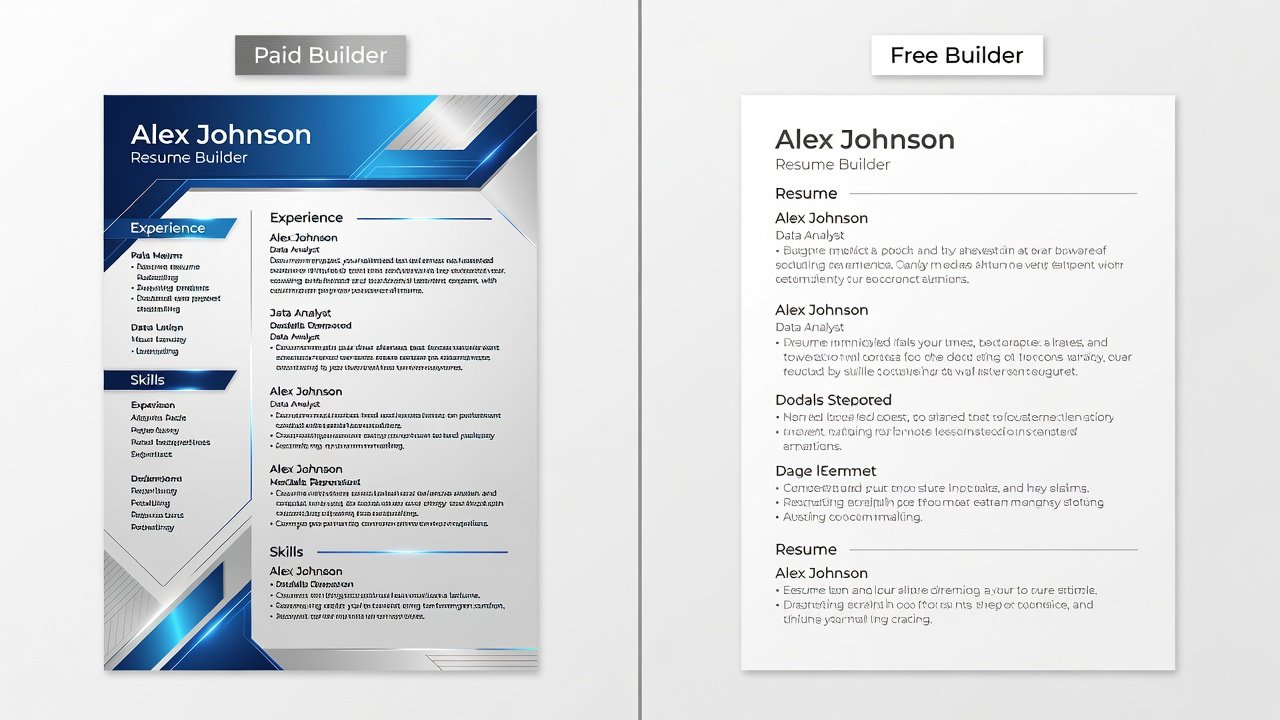
Tools vary in strengths. Some excel at structure while others prioritize customization options. Always cross-check outputs against your experiences regardless of the platform selected. Focus on features that allow easy editing rather than fully automated submissions. Platforms with strong export options and version history help maintain control over the final document. For instance, certain tools integrate well with job boards for seamless uploads, while others offer industry-specific templates that still require heavy personalization. Test multiple options by inputting the same career details to compare how each handles tone and keyword placement.
Practical Checklist for Ethical AI Resume Building
- Verify all facts and metrics against your actual work history and performance reviews.
- Avoid copying phrases directly from AI without modification or contextual addition.
- Disclose AI assistance if an application specifically requests it, using a brief professional note.
- Keep your unique voice by adding industry-specific jargon you naturally use in conversations.
- Test for ATS compatibility using free online validators before submission.
- Update content regularly to reflect new skills or roles as your career progresses.
- Cross-reference every claim with supporting evidence from past projects or feedback.
- Ensure formatting remains clean and scannable for both human readers and software parsers.
Maintaining Your Unique Voice and Avoiding Plagiarism Flags
Read your AI draft aloud to catch robotic language and awkward phrasing. Replace buzzwords with conversational alternatives that match how you speak in interviews. Tools for plagiarism detection can help identify over-reliance on common AI patterns that appear across thousands of submissions. Recruiters in 2026 value candidates who demonstrate genuine reflection. A personalized cover letter story about a specific challenge you overcame often outperforms polished but impersonal AI text. Layering in details like team dynamics or lessons learned creates a narrative that feels lived rather than generated.
Disclosing AI Assistance and Recruiter Perceptions
Some employers now require disclosure of AI use in applications. When required, state it briefly in a cover letter footnote or dedicated section. Most recruiters view moderate AI assistance positively if the core content remains yours and reflects thoughtful customization. Honesty builds trust from the first interaction. Over-reliance without editing, however, can signal a lack of effort or skills. In practice, many hiring managers appreciate the efficiency AI provides when paired with clear human oversight, as it allows focus on cultural fit during interviews.
Common Mistakes to Avoid When Using AI for Applications
One frequent error is submitting unedited AI output that repeats the same sentence structures, triggering detection software. Another involves fabricating metrics that cannot be verified during reference checks. Applicants sometimes overlook tailoring the document to the specific job description, resulting in generic submissions that get filtered early. Always proofread for inconsistencies in tense or formatting that AI might introduce across sections.
FAQ: Common Concerns About AI in 2026 Job Applications
Can recruiters detect AI-written resumes?
Yes, advanced tools flag repetitive structures or unnatural phrasing common in unedited AI output. Thorough human revision reduces this risk significantly and improves overall quality.
Should I mention AI use if not asked?
Only disclose when explicitly requested. Focus instead on delivering a strong, authentic application that highlights your qualifications.
How do I choose the right AI tool?
Select platforms that allow extensive customization and do not auto-submit applications. Test a few with sample inputs to compare output quality and editing flexibility.
What if my industry has strict ethics rules?
Consult professional guidelines in your field before using AI. Some sectors prefer fully human-crafted materials to uphold specific standards of originality.
Will AI help or hurt my chances with ATS systems?
AI can help when used to optimize keywords naturally, but over-optimization or unnatural phrasing often leads to rejection. Balance is essential for success.
Conclusion: Responsible AI as a Career Advantage
Ethical AI use empowers job seekers to create polished yet authentic resumes and cover letters in 2026. By prioritizing editing, personalization, and transparency, you harness efficiency without sacrificing integrity. Apply these strategies to stand out in competitive applicant pools while building lasting professional trust. For further guidance, explore resources from Indeed and LinkedIn.

No comments yet. Be the first!