 Jobboy
Introduction: Navigating Resume Tools in 2026
Job seekers in 2026 face an evolving landscape of resume creation tools, where artificial intelligence and mobile-first design are reshaping how applications stand out. Choosing between free and paid resume builders requires evaluating factors like ATS compatibility, output quality, and long-term usability. This guide breaks down the key differences to help you make an informed decision. With job markets becoming increasingly competitive across industries such as technology, healthcare, and finance, the right resume tool can significantly impact callback rates. Many candidates now experiment with multiple platforms before settling on one that aligns with their career goals and target roles.
ATS Compatibility: The Foundation of Any Strong Resume
Applicant Tracking Systems (ATS) scan resumes for keywords and formatting before human eyes ever see them. Free builders often produce PDFs that parse cleanly but may limit keyword optimization or advanced parsing features. Paid platforms typically offer sophisticated tools that analyze job descriptions in real time and suggest improvements. Real-world tests show that resumes from premium tools pass ATS filters more reliably in competitive fields like tech and finance, where even minor formatting issues can lead to automatic rejection. For example, a software engineer applying to a Fortune 500 company found that switching to a paid builder increased ATS passage rates from 60 percent to nearly 95 percent after incorporating dynamic keyword matching.
Design Quality and Visual Appeal
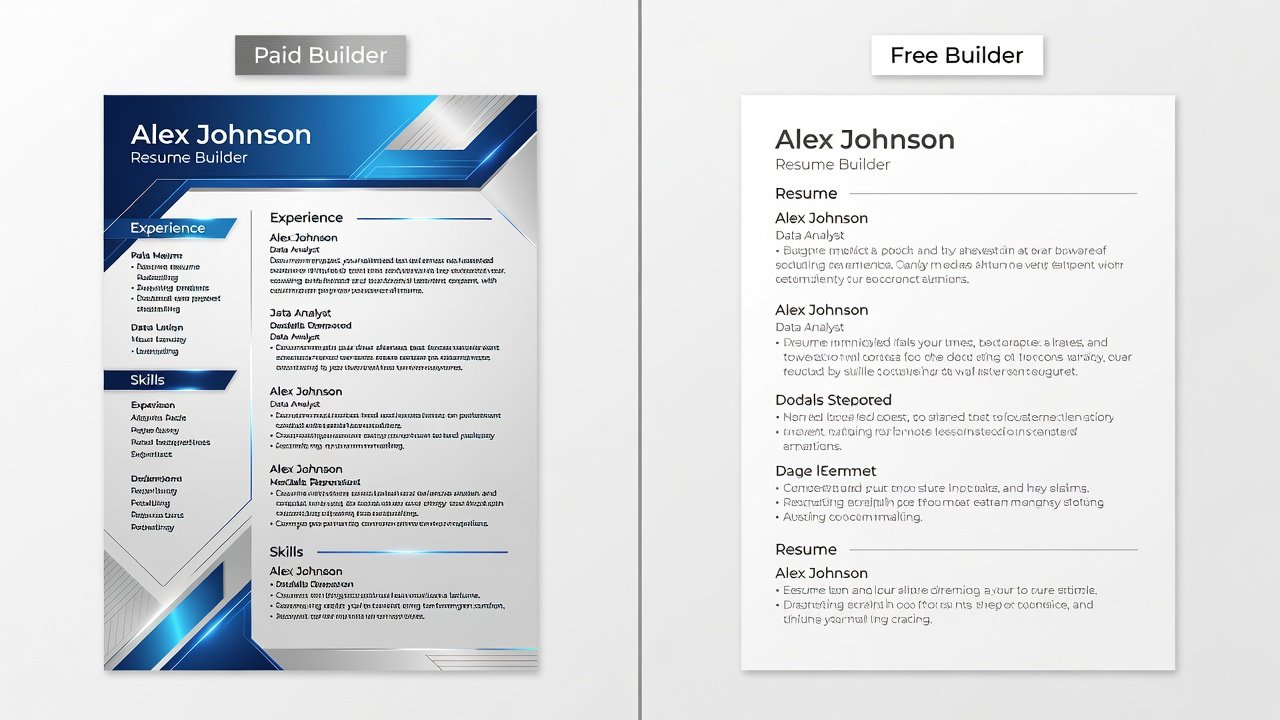
Free versions usually provide basic templates with limited color options and fonts, which can make applications look generic in a sea of similar submissions. Paid builders deliver polished, modern designs with custom layouts that highlight skills effectively through strategic use of whitespace, icons, and section hierarchies. For creative industries such as marketing or graphic design, this distinction often determines whether a resume captures attention in the first few seconds of review. Users report that visually appealing resumes from paid tools lead to longer recruiter engagement times during initial screenings.
Customization Options and Flexibility
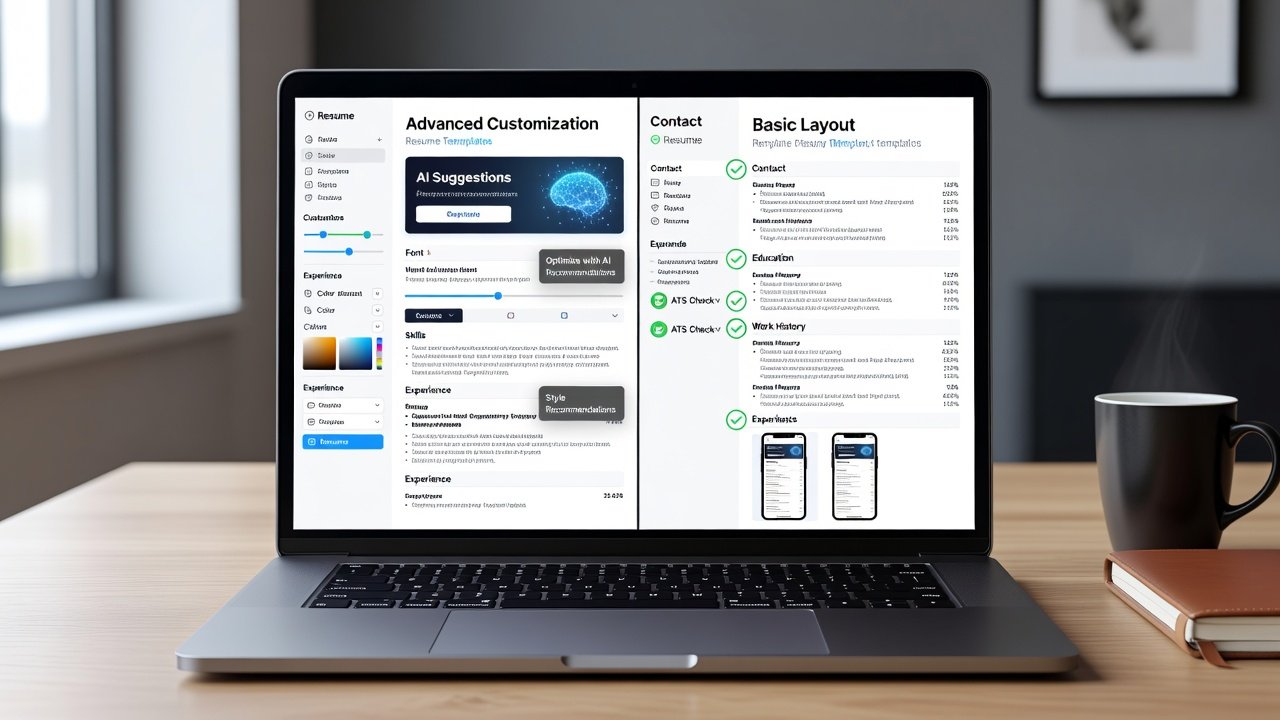
Customization is where paid tools frequently excel. Users can adjust sections, add multimedia elements, or tailor content for specific roles without restrictions on length or layout variations. Free builders may cap the number of edits or hide advanced features behind paywalls, forcing users to start over when their career narrative changes. In practice, this means a mid-career professional updating their resume for a pivot into consulting might find free tools restrictive, while paid options allow seamless addition of project portfolios or skill endorsements.
AI Assistance Trends in 2026
AI-driven suggestions for phrasing, skills matching, and content generation have become standard across leading platforms. Many paid services now include real-time feedback based on job descriptions, predictive analytics for industry trends, and automated tailoring that goes beyond basic spell-check. These AI enhancements help candidates align their experience with employer expectations more precisely, especially in fast-evolving sectors like data science where terminology shifts rapidly. Free tiers, by contrast, offer only rudimentary assistance, which can leave users at a disadvantage when competing against applicants leveraging sophisticated AI optimizations.
Integration with Cover Letter Features
Seamless cover letter creation is a major differentiator. Paid builders allow one-click generation of matching documents with consistent branding, tone, and formatting that reinforces the resume narrative. Free options often require separate tools or manual copying, leading to inconsistencies that recruiters notice immediately during application reviews. This integration saves time and ensures professional cohesion, particularly useful for applicants submitting to multiple positions daily.
Hidden Limitations of Free Versions
Beyond surface-level restrictions, free resume builders carry several hidden drawbacks that can undermine a job search. These include watermarks or branding on exported files that appear unprofessional, restricted download formats that limit compatibility with applicant portals, and limited storage for multiple resume versions tailored to different opportunities. Data privacy concerns also arise with ad-supported platforms that may share user information with third parties. Job seekers should review terms of service carefully to avoid surprises after investing hours in building their documents.
- Watermarks or branding on exported files that reduce credibility
- Restricted download formats like DOCX or high-quality PDF
- Limited storage for multiple resume versions and revisions
- Data privacy concerns with ad-supported platforms
- Ads and upsell prompts that interrupt the editing workflow
Real-World Examples and User Reviews
Professionals switching from free to paid tools report higher interview rates, especially when targeting roles at large corporations. For instance, a marketing specialist using a premium builder created a tailored resume that passed three ATS screenings in one week and secured interviews at two agencies. Reviews on major career sites highlight improved mobile optimization as another advantage of paid platforms, allowing on-the-go edits during commutes. These testimonials underscore how small feature differences compound into meaningful outcomes over a multi-month job search.
Decision Framework: Steps to Test Resume Tools
- Start with a free trial or basic version to assess interface ease and learning curve over several days of active use.
- Upload a sample resume and check ATS simulation results against sample job postings from your target companies.
- Compare design previews on both desktop and mobile devices to ensure responsiveness across screen sizes.
- Evaluate AI suggestions against your target job postings by pasting real descriptions and reviewing output relevance.
- Export samples in multiple formats and test file compatibility with common email clients and application portals.
- Review privacy policies before uploading sensitive information such as employment history or contact details.
- Seek user feedback from online communities or forums to understand long-term satisfaction and support quality.
Mobile Optimization in Modern Builders
With many applications submitted via smartphones, mobile-responsive editing has become essential for convenience and accuracy. Paid tools lead here with touch-friendly interfaces, real-time previews that adjust layouts automatically, and cloud syncing across devices. Free versions may distort layouts on smaller screens or lack robust editing capabilities, potentially leading to errors in critical sections like contact information or experience summaries. This trend reflects broader 2026 shifts toward flexible, device-agnostic career tools.
Frequently Asked Questions
Is data privacy better with paid resume builders?
Paid platforms often invest more in encryption and compliance standards such as GDPR and CCPA, reducing risks of data sharing compared to ad-supported free services that rely on user data for revenue. Always verify current policies directly on the provider site.
What file formats do most employers prefer?
PDF remains the standard for preserving formatting integrity across systems, though some applicant tracking setups request DOCX for easier editing. Premium builders support both reliably without quality loss.
Can free tools produce professional results?
Yes, for entry-level roles or simple applications where basic formatting suffices, but advanced customization, AI features, and unlimited exports are typically limited, making them less ideal for complex or competitive searches.
How do 2026 trends like AI affect tool selection?
AI assistance is increasingly central, with paid tools offering deeper integrations that analyze labor market data and suggest industry-specific keywords drawn from sources like government employment reports.
Conclusion: Making the Right Choice
Ultimately, the winner depends on your career stage and goals. Free builders suit quick needs or exploratory phases, while paid options provide superior quality, AI capabilities, and features for serious job searches in 2026. Test both approaches using the framework above to find the best fit for your applications. For further guidance, explore resources from Indeed, LinkedIn, and SHRM.


No comments yet. Be the first!