 Jobboy

Introduction to Speculative Cover Letters in 2026
Job seekers in 2026 face a competitive market where proactive outreach often outperforms waiting for posted openings. A speculative cover letter, also known as a cold cover letter, allows you to approach companies directly before roles are advertised. This approach demonstrates initiative and can uncover hidden opportunities. Unlike reactive applications that respond to job postings, speculative letters require deeper research and personalization to stand out. Many professionals report that sending targeted speculative letters leads to informational interviews and created positions that never appear on job boards.
Search intent around unsolicited outreach centers on practical how-to guidance. Readers want clear steps for identifying target employers, tailoring content, and ensuring compatibility with applicant tracking systems (ATS). This guide delivers exactly that, including structure templates, tone adjustments, real-world examples, and comparisons to traditional methods. By the end of this article you will have a complete framework for crafting letters that capture attention and prompt replies.
Understanding the current job landscape is essential. Economic shifts and remote work trends mean companies are more open to talent that aligns with long-term goals rather than immediate vacancies. Speculative outreach positions you as a forward-thinking candidate who understands industry challenges and can contribute immediately upon hiring.
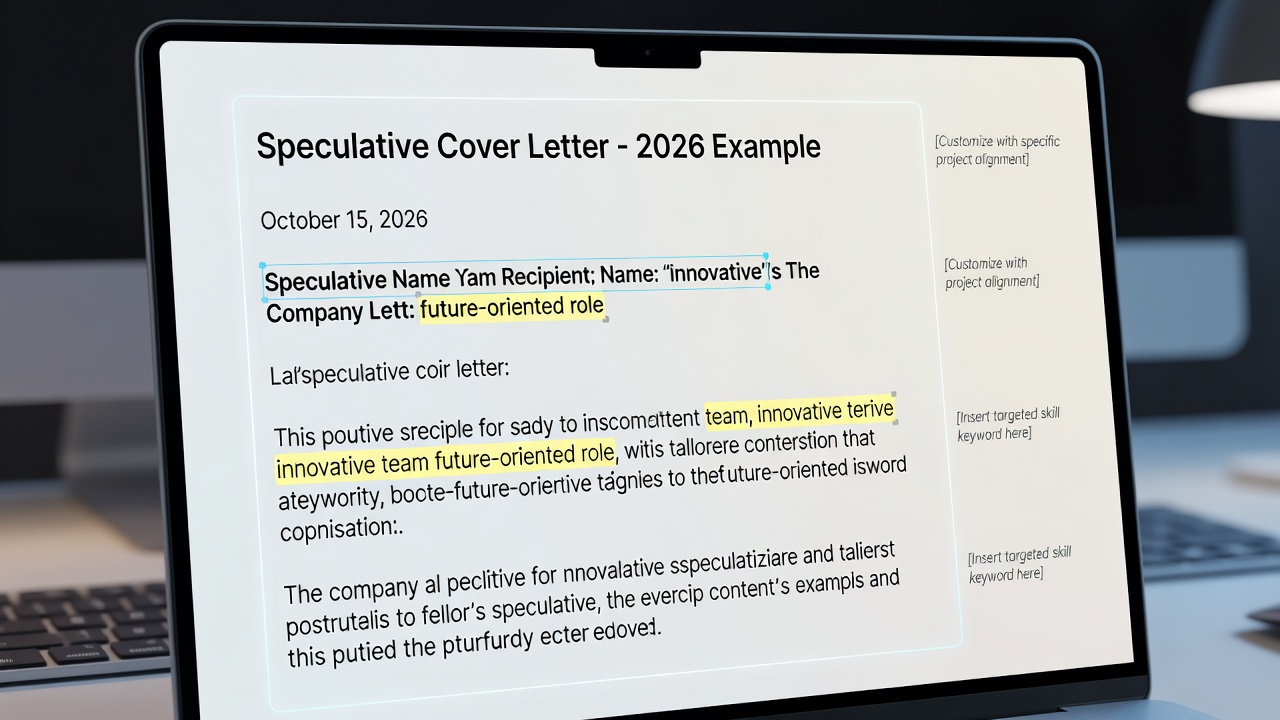
Researching Target Companies Effectively
Successful speculative applications begin with thorough research. Start by identifying companies aligned with your skills and career goals. Use tools like company career pages, recent news, and industry reports. Focus on organizations experiencing growth, funding rounds, or expansion into new markets. Review their values, recent projects, and leadership team to find natural connection points. Spend time analyzing annual reports or press releases to uncover upcoming initiatives that match your expertise.
LinkedIn serves as an excellent resource for mapping decision-makers. Search for hiring managers or department heads in your field. Cross-reference with professional directories on sites such as CareerOneStop for labor market insights. Document specific details like recent achievements or challenges the company faces. This information becomes the foundation for personalized paragraphs that prove you have done your homework. Additional resources such as Bureau of Labor Statistics provide sector-wide data that can strengthen your understanding of market demands.
Advanced research also includes reviewing employee testimonials on platforms like Glassdoor and studying competitor positioning. Note any recent hires or promotions within the target team. This level of detail allows you to reference internal dynamics subtly and demonstrate genuine interest beyond surface-level facts.
Structuring Your Speculative Cover Letter
A strong speculative cover letter follows a clear structure while remaining concise. Open with a compelling hook that states your purpose and highlights immediate value. In the body, connect your experience to the company’s needs using researched insights. Close with a confident call to action requesting a conversation. Aim for a total length of three-quarters to one full page to respect the reader’s time.
Key sections include a header with contact details and date, a salutation addressed to a specific person when possible, an opening paragraph introducing yourself and the reason for contact, two to three body paragraphs linking your background to company goals, and a closing paragraph with next steps and gratitude. Use bullet points sparingly within the letter itself to maintain a professional narrative flow.
Personalization and ATS Compatibility
Personalization remains critical. Reference specific company initiatives or recent news to show genuine interest. Mirror language from the company website and incorporate relevant keywords naturally. For ATS compatibility, use standard section headings and include terms from job descriptions in your industry. Avoid graphics, tables, or unusual formatting that could confuse parsing software. Test your letter by copying it into a plain text editor to verify readability.
Go further by aligning your achievements with measurable outcomes the company values. For example, if the firm recently launched a sustainability program, quantify your past contributions to similar projects. This targeted approach increases the likelihood that both human readers and algorithms flag your application positively.
Adjusting Tone Compared to Standard Cover Letters
Speculative letters adopt a slightly bolder yet professional tone. While standard applications respond to stated requirements, speculative ones anticipate needs. Emphasize forward-thinking contributions and express enthusiasm for potential future roles. Balance confidence with respect for the recipient’s time. Use phrases that invite dialogue rather than demand attention.
Real-World Examples and Templates
Consider this example opening: “I have followed [Company]’s recent expansion into sustainable technology and believe my five years of experience leading green-energy projects could support your upcoming initiatives.” Follow with specific achievements that align with company priorities. Adapt templates by swapping in your researched details and quantifiable results. Another effective example body paragraph might read: “At my previous role I reduced operational costs by 18 percent through process optimization, an approach that could translate directly to your efficiency goals outlined in the latest quarterly update.”
Full templates should be customized further by adding a second paragraph that addresses company culture or recent leadership changes. Always end with a clear request for a 15-minute call rather than a generic “I look forward to hearing from you.”
Speculative vs Reactive Approaches: A Practical Comparison
Reactive applications target advertised roles with higher immediate competition. Speculative outreach reaches decision-makers earlier, potentially creating roles. However, response rates tend to be lower, making follow-up essential. Many professionals combine both strategies for optimal results. Reactive letters can reference exact job requirements, while speculative ones focus on broader organizational fit and future value.
Consider the decision matrix: if a role is posted with a short deadline, prioritize a reactive application. For companies you admire but that have no current openings, invest time in a speculative letter. Tracking both types of outreach in a spreadsheet helps maintain momentum and measure which method yields better conversations.
Common Pitfalls to Avoid
Common mistakes include generic content, spelling errors, excessive length, and failing to follow up. Never send mass emails without customization. Ensure your letter complements rather than duplicates your resume. Another frequent error is neglecting to proofread for company-specific details, which immediately signals a lack of genuine interest. Finally, avoid overpromising skills or experience you cannot deliver during an interview.
Follow-Up Strategies and FAQ
When should I follow up on a speculative cover letter?
Wait 7–10 business days before a polite email or LinkedIn message. Reference your original letter and reiterate interest briefly. If no response arrives after two follow-ups, consider it a soft decline and move on while keeping the company on your long-term networking list.
What makes a good email subject line?
Use specific, benefit-oriented lines such as “Proposal: How My [Skill] Experience Can Support [Company Goal]”. Subject lines under 50 characters tend to perform best in professional inboxes.
Should I attach my resume with the speculative letter?
Yes, attach a tailored resume as a PDF. Mention the attachment in the closing paragraph so the recipient knows to expect it. This combination provides both narrative context and detailed qualifications in one professional package.
Conclusion
Speculative cover letters remain a powerful tool in 2026 when executed with research, personalization, and persistence. By following the strategies outlined above, job seekers can increase their chances of receiving meaningful responses and uncovering opportunities ahead of the competition. Start with one well-researched letter this week and refine your approach based on the feedback you receive.


No comments yet. Be the first!