 Jobboy

Introduction: Why 2026 Is the Perfect Year to Go Full-Time Remote
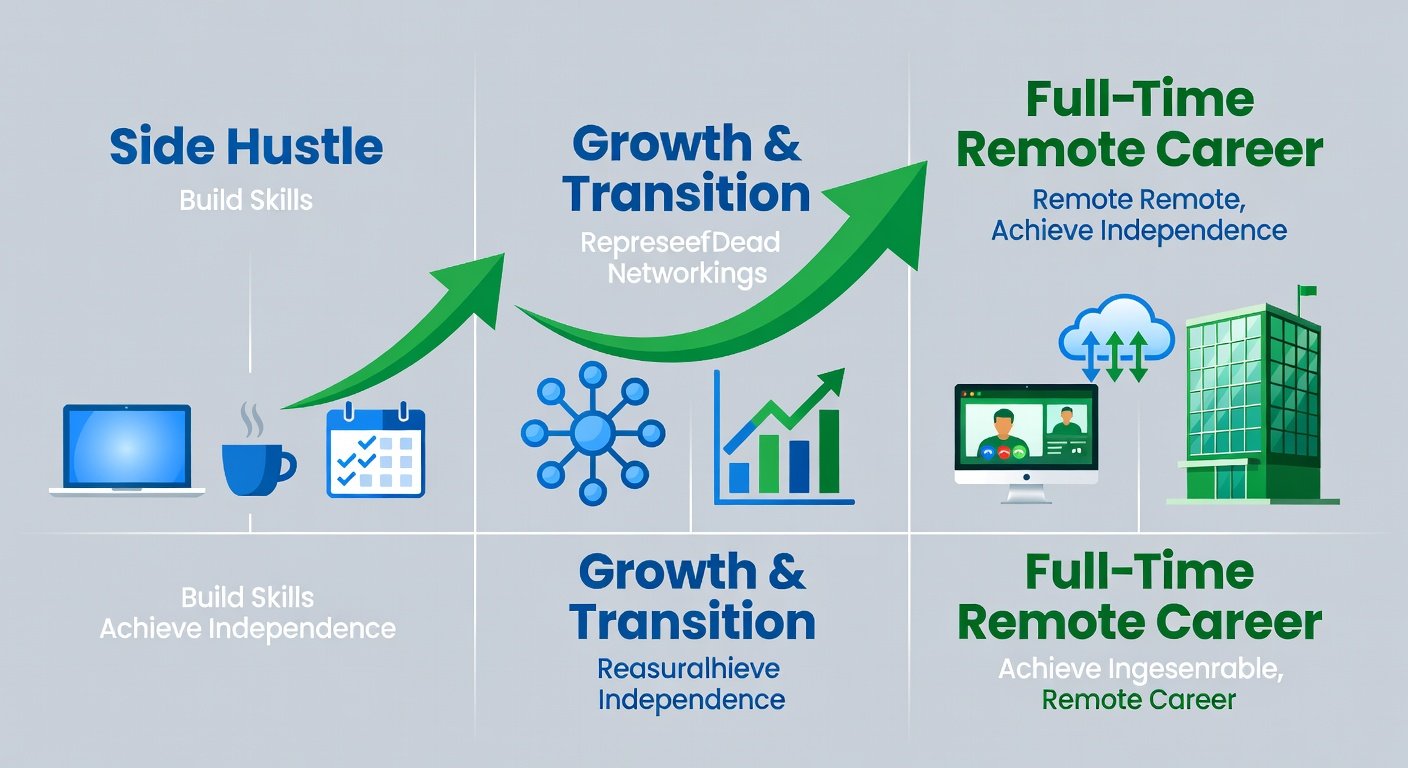
The gig economy continues to evolve rapidly, offering more opportunities than ever for side hustlers to transition into full-time remote work. With flexible platforms and advanced tools, beginners can build sustainable incomes without traditional office constraints. This 2026 guide provides actionable steps to scale your online side gig into a reliable career. Many professionals start with evening or weekend projects and gradually increase their commitment as income stabilizes. Understanding market shifts, such as increased demand for digital services, helps position your hustle for long-term success. Remote work trends show no signs of slowing, making this an ideal time to plan your move from part-time to full-time independence.
Step 1: Validating Market Demand for Your Side Hustle
Before scaling, confirm that clients actively seek your services. Research freelance marketplaces and social media trends to identify high-demand skills like content writing, graphic design, or virtual assistance. Use free tools to analyze search volumes and competitor offerings. Successful digital nomads start by testing small gigs to gather feedback and refine their niche. For example, if you offer social media management, post sample content on LinkedIn and track engagement rates. Survey potential clients through online forums or email outreach to understand pain points. This validation phase prevents wasting time on low-interest services and ensures your offerings align with real needs in the 2026 marketplace.
Step 2: Optimizing Pricing on Freelance Platforms
Effective pricing balances competitiveness with profitability. Begin with introductory rates to build reviews, then gradually increase based on demand and testimonials. Compare your offerings to similar profiles and adjust for experience level. Focus on value-based pricing rather than hourly caps to reflect expertise. Consider bundling services, such as combining writing with SEO optimization, to increase perceived value. Monitor platform algorithms that favor well-reviewed profiles and experiment with tiered packages. Over time, this approach allows you to command higher rates while maintaining a steady flow of projects from diverse clients.
Automating Workflows with AI Tools
AI streamlines repetitive tasks, freeing time for high-value client work. Integrate tools for scheduling, invoicing, and content generation to boost efficiency. For example, use AI writing assistants to draft proposals or edit copy quickly. This automation supports consistent output as you transition to full-time status. Experiment with project management platforms that incorporate AI suggestions for deadlines and resource allocation. Track time saved through these tools to measure productivity gains. Beginners often find that starting with one or two AI integrations prevents overwhelm while building habits that scale effectively.
Building Reliable Client Pipelines
Diversify income sources beyond single platforms. Leverage LinkedIn outreach, niche communities, and referral programs to attract steady clients. Create a simple CRM system to track leads and follow-ups. Long-term success comes from nurturing relationships and delivering exceptional results that encourage repeat business and referrals. Reach out to past clients for testimonials and upsell opportunities. Participate in virtual networking events to expand your reach globally. Establishing multiple pipelines reduces reliance on any one source and provides stability during slower periods in the gig economy.
Tracking Financial Growth and Sustainability
Monitor income, expenses, and savings goals using spreadsheets or dedicated apps. Set milestones such as matching your current salary within six months. Review progress monthly to adjust strategies. This data-driven approach ensures your remote career remains financially viable. Break down revenue by client type and service to spot trends early. Allocate portions of earnings toward taxes, emergency funds, and professional development. Consistent tracking reveals when it is safe to quit your primary job and commit fully to remote freelancing.
Case Studies: Digital Nomads Who Made the Leap
Consider the story of a graphic designer who started with weekend logo projects and scaled to full-time remote contracts by 2025. She began by validating demand through targeted social posts, then automated client onboarding with AI forms. Another example involves a virtual assistant who used AI tools to manage multiple clients across time zones, achieving location independence. He built pipelines via industry-specific groups and tracked finances meticulously to avoid cash flow issues. These transitions highlight persistence and smart tool adoption as key factors in moving from side hustle to sustainable remote income.
Work-from-Home Setup Comparisons
Evaluate basic versus premium remote setups. A minimal configuration includes a reliable laptop and ergonomic chair. Advanced options add dual monitors, noise-cancelling headphones, and high-speed internet. Choose based on budget and task requirements for optimal productivity. Basic setups suit beginners focused on writing or consulting, while premium environments benefit designers needing visual precision. Compare costs qualitatively by assessing long-term comfort and output quality. Many nomads start simple and upgrade as revenue grows, ensuring the workspace supports rather than hinders their career progression.
Common Mistakes to Avoid During Scaling
One frequent error is underpricing services too long, which limits growth potential. Another involves neglecting client communication, leading to lost opportunities. Avoid overcommitting to too many projects early on, as burnout can derail progress. Failing to separate personal and business finances complicates tax season. Learn from these pitfalls by reviewing your processes quarterly and seeking feedback from mentors in remote work communities.
Launch Checklist for Your Remote Transition
- Validate 3-5 potential services with real client inquiries.
- Update profiles on major freelance sites with professional portfolios.
- Test AI tools for at least one workflow.
- Establish a dedicated workspace and daily routine.
- Project monthly expenses and set income targets.
- Secure necessary insurance and legal registrations for self-employment.
- Network with at least five potential clients or collaborators monthly.
Conclusion: Your Path to Sustainable Remote Success
Scaling a side hustle into full-time remote work requires deliberate planning and consistent execution. By following these steps, you can create a flexible career aligned with 2026 opportunities. Start today with small validations and build momentum toward independence.
FAQs
How do I handle taxes as a remote freelancer?
Track all income and expenses meticulously. Consult resources from the IRS for self-employment guidelines and quarterly payments. Consider consulting a tax professional familiar with gig economy specifics to maximize deductions.
What prevents burnout during the transition?
Set clear boundaries like fixed work hours and regular breaks. Incorporate wellness practices and monitor workload to maintain long-term health. Many remote workers schedule offline days to recharge and sustain productivity over years.
Can I transition from side gigs to corporate remote roles?
Yes, use freelance experience to strengthen applications for remote positions. Highlight skills gained and results achieved on platforms like LinkedIn. Tailor your resume to emphasize measurable outcomes from client projects.
How long does the typical transition take?
Most successful transitions span six to eighteen months depending on niche demand and effort invested. Consistent validation and pipeline building accelerate the process while reducing financial risk.


No comments yet. Be the first!