 Jobboy
Understanding Freelance vs Remote Employment in 2026
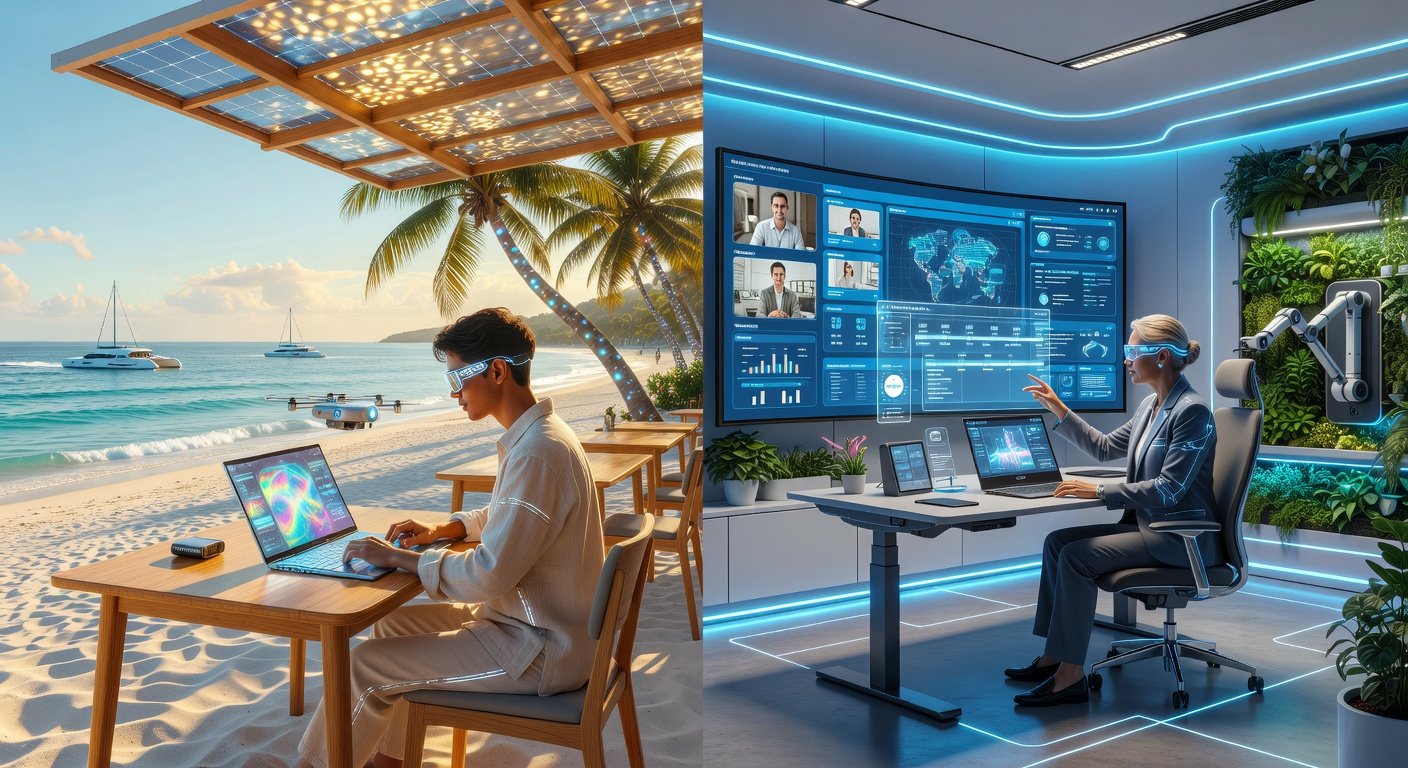
The gig economy continues to evolve, offering professionals two primary paths: freelancing and traditional remote jobs. While both allow location independence, they differ significantly in structure, risk, and rewards. Freelancing involves independent contracts with multiple clients, whereas remote jobs typically mean full-time employment with a single company from home or anywhere.
Income Stability: Freelance Volatility vs Remote Predictability
Freelancers often face income fluctuations tied to project availability and client retention. This model rewards high performers with unlimited earning potential but introduces uncertainty during slow periods. In contrast, remote employees enjoy steady paychecks, often with bonuses and raises tied to performance reviews.
Many professionals report that remote roles provide a reliable baseline that supports long-term financial planning, while freelancing suits those comfortable with variability.
Flexibility and Autonomy
Freelancing offers unmatched control over schedules, project selection, and rates. Workers can decline assignments or pivot niches quickly. Remote jobs provide flexibility within company guidelines, such as core hours or team meetings, but less freedom to set personal boundaries.
- Freelance pros: Choose clients, set your hours, work from any timezone.
- Remote job pros: Access structured support, clear expectations, and team collaboration tools.
Benefits and Perks
Remote employment frequently includes health insurance, retirement contributions, and paid time off. Freelancers must secure these independently, though platforms like Upwork offer some resources. Both models benefit from modern tools for productivity and communication.
Work-Life Balance in 2026
Digital nomads often thrive in freelancing by blending travel with work, but risk burnout without boundaries. Remote workers may experience better separation between professional and personal time thanks to defined roles, yet can face always-on expectations from employers.
Real-World Examples of Success
Digital nomad Sarah Chen runs a successful freelance writing business, serving clients across three continents while living in Southeast Asia. She values the autonomy but notes the need for consistent marketing. Meanwhile, software engineer Marcus Rivera enjoys his remote role at a tech firm, appreciating benefits and predictable income that funds family time in his home city.
These stories highlight how lifestyle preferences shape outcomes in each model.
How to Choose the Right Path for You
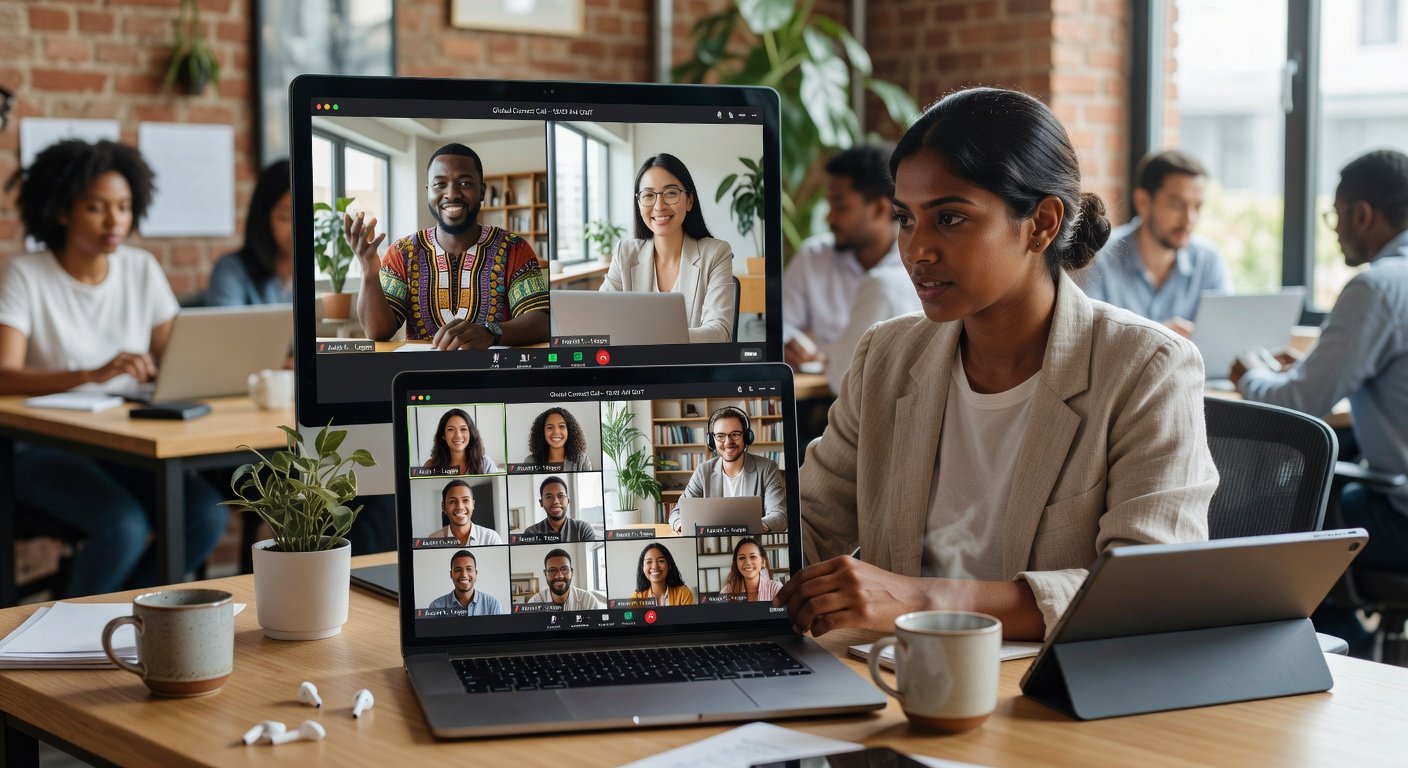
Assess your skills, risk tolerance, and goals before deciding. Consider these steps:
- Evaluate financial needs: Stable income or variable upside?
- Review your skills: In-demand specialties favor freelancing; specialized roles suit remote teams.
- Test both models: Start with side gigs alongside a remote position.
- Factor lifestyle: Travel enthusiasts lean freelance; those seeking community prefer remote teams.
Resources from the Bureau of Labor Statistics and U.S. Department of Labor can inform your research on labor trends.
Common Mistakes to Avoid
Avoid underpricing services as a freelancer or neglecting networking in remote roles. Always maintain emergency savings and update skills regularly to stay competitive.
Frequently Asked Questions
Can I switch between models? Yes, many professionals transition successfully by building a portfolio or gaining full-time experience first.
Which offers better long-term growth? It depends on your industry and personal discipline.
Conclusion
Both freelancing and remote jobs offer compelling advantages in the 2026 economy. By aligning your choice with financial goals, skills, and desired lifestyle, you can build a fulfilling career on your terms.


No comments yet. Be the first!