 Jobboy

Introduction: Why 2026 Tax Planning Matters for Remote Freelancers
Remote freelancers and digital nomads face unique tax challenges in 2026 as the gig economy continues to expand rapidly. Income often arrives from multiple clients across borders, and the flexibility to work from any location creates both opportunities and complexities when filing taxes. Understanding available deductions and compliance requirements can significantly increase take-home pay while reducing the risk of audits or penalties. This comprehensive guide explores practical 2026 tax optimization strategies specifically designed for remote workers, including detailed coverage of home office setups, internet and software expenses, travel costs, quarterly estimated payments, expense tracking tools, and handling income earned in multiple countries. Whether you are a full-time freelancer or balancing side projects, these insights provide actionable steps to lower your tax burden legally and effectively.
Key Deductions for Remote Workers in 2026
Maximizing legitimate deductions begins with identifying every expense directly connected to your freelance business activities. Proper documentation is essential, as the IRS requires records that substantiate claims in case of review. Many remote professionals overlook smaller recurring costs that accumulate into meaningful savings over the year.
Home Office and Workspace Costs
The home office deduction allows freelancers to claim a portion of housing expenses when a dedicated area is used exclusively and regularly for business. Calculate the percentage by dividing the square footage of your workspace by the total home area. This percentage then applies to rent or mortgage interest, utilities, property taxes, and repairs. For example, a 150-square-foot office in a 1,500-square-foot apartment yields a 10 percent deduction. Maintain photos, measurements, and payment records throughout the year. Common pitfalls include mixing personal and business use of the space or failing to update calculations if you move mid-year.
Internet, Software, and Tools
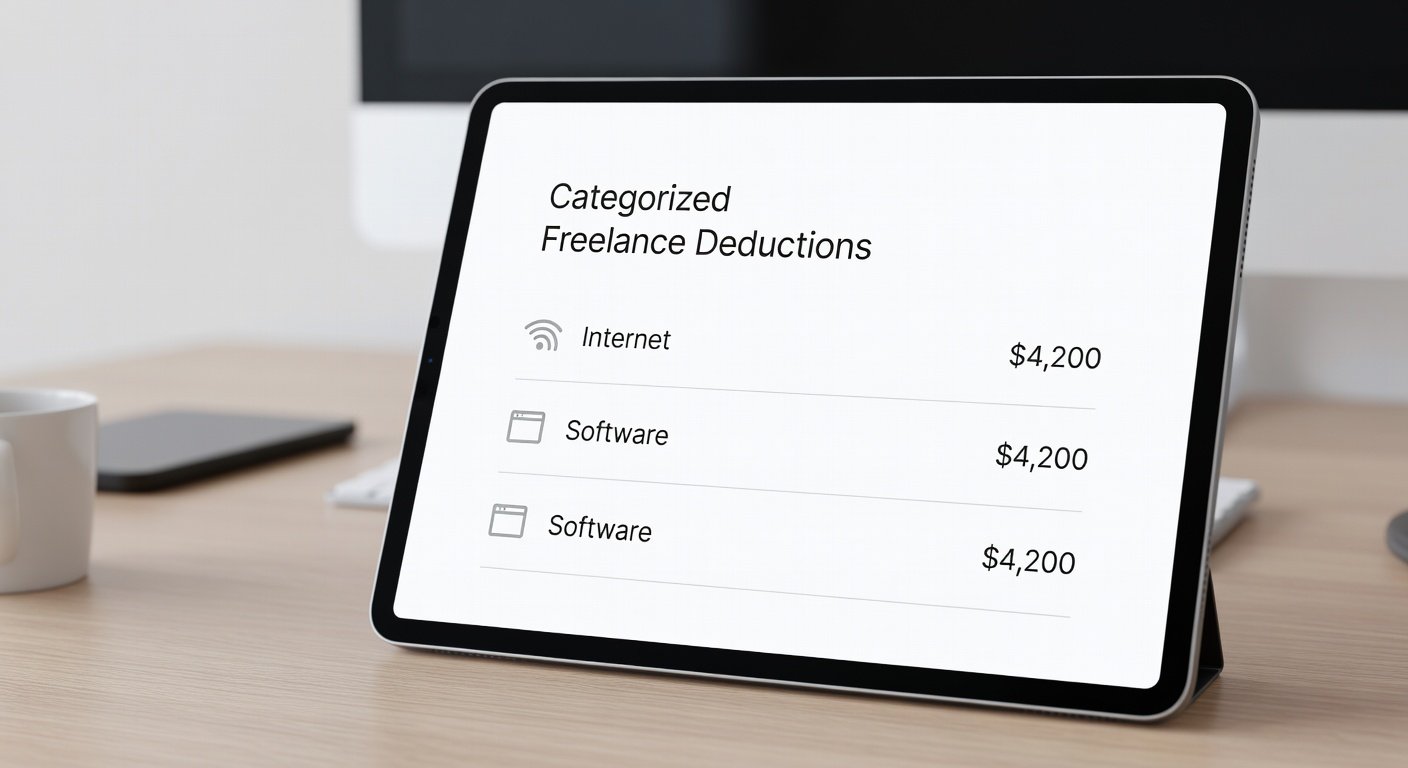
High-speed internet essential for client communications, file transfers, and video calls qualifies as a business expense. Allocate the business-use percentage based on hours worked versus total household usage. Software subscriptions for project management, graphic design, accounting, or cloud storage follow similar rules. Track renewal dates and retain invoices. In practice, a web developer might deduct 80 percent of their internet bill and full costs for specialized coding tools after confirming primary business application.
Travel Expenses for Online Work
Even fully remote freelancers sometimes travel for client meetings, industry conferences, or skill-building workshops. Deductible costs include transportation, lodging, and meals when the primary purpose is business-related. Keep detailed itineraries, receipts, and notes explaining the professional objective. Separate personal extensions of trips to avoid disallowed portions. Mileage logs for local client visits or supply runs also add value when using the standard mileage rate.
Steps for Quarterly Filings and Expense Tracking
Quarterly estimated tax payments prevent underpayment penalties and spread liability across the year. Deadlines typically fall in April, June, September, and January. Begin by projecting annual income, subtracting anticipated deductions, and applying the appropriate tax rate to determine each installment. Use accounting apps such as QuickBooks Self-Employed or FreshBooks to categorize transactions automatically, generate profit-and-loss statements, and calculate estimates based on real-time data. Set calendar alerts and review bank feeds weekly to catch missed entries. A consistent tracking routine reduces end-of-year stress and improves accuracy when preparing annual returns.
Handling Multi-Country Income
Freelancers earning from international clients must report worldwide income while managing foreign tax obligations. Foreign tax credits offset U.S. liability for taxes already paid abroad, and tax treaties between countries can prevent double taxation. Maintain separate records for each income source, noting currency conversions and withholding amounts. Resources from the IRS provide forms and instructions for reporting such income. Digital nomads often benefit from consulting cross-border specialists to optimize credit claims and filing positions.
Tax Software Comparison
Selecting appropriate tax preparation software streamlines the process for self-employed individuals. TurboTax Self-Employed includes guided deduction searches, quarterly payment estimators, and import features for 1099 forms. H&R Block Premium emphasizes self-employment tax calculations and offers in-person support options. Compare platforms by evaluating ease of international income handling, audit support levels, and integration with expense apps. Test free versions or trials before committing to ensure the interface matches your workflow and document volume.
Real Freelancer Case Studies
A freelance graphic designer based in Portugal but serving U.S. clients saved more than $4,200 by accurately allocating home office expenses and software subscriptions while claiming foreign tax credits. Another example involves a content strategist who formed an LLC for a side project, which allowed clearer separation of business expenses and reduced self-employment tax exposure on qualifying income. These cases demonstrate that consistent record-keeping combined with strategic entity choices produces measurable results. A third freelancer avoided penalties by switching to automated quarterly reminders after previously missing a payment deadline.
Printable Checklist for 2026 Tax Season
- Measure and photograph your dedicated workspace at the start of the year
- Log every business expense with date, amount, and purpose
- Calculate and schedule quarterly estimated payments in advance
- Review currency conversions and foreign tax withholdings monthly
- Compare tax software features and select one before peak season
- Organize receipts in digital folders by category
- Consult a tax advisor if multi-country income exceeds a threshold
- Double-check self-employment tax calculations before filing
FAQs on Audits, Self-Employment Taxes, and LLCs
How can I prepare for a potential audit?
Retain all supporting documents for at least seven years, including bank statements, invoices, and mileage logs. Organize files by category and year to allow quick retrieval if requested.
What are self-employment taxes and how are they calculated?
Self-employment taxes cover Social Security and Medicare contributions. Apply the 15.3 percent rate to net earnings after deductions, then pay through quarterly estimates to stay current.
Should I form an LLC for side hustles?
An LLC provides liability protection and may simplify expense tracking. Review official guidance from the Small Business Administration and consider state filing requirements before proceeding.
Conclusion
Implementing these 2026 tax strategies enables remote freelancers to minimize liabilities while maintaining full compliance. Begin with improved tracking habits and revisit your approach as regulations or personal circumstances change. Consistent application of deductions, timely payments, and professional consultation when needed leads to greater financial stability and higher net earnings over time. For the most current official information, refer directly to authoritative government resources.


Comments (1)