 Jobboy
Introduction
The gig economy continues to expand opportunities for freelancers worldwide, yet accessibility remains a critical barrier for those with disabilities. In 2026, remote work offers unprecedented flexibility, but only when paired with intentional inclusive practices. This article explores practical strategies to empower disabled freelancers, focusing on adaptive technologies, regulatory compliance, workspace optimization, client interactions, and portfolio building. By addressing these areas with concrete examples and step-by-step guidance, freelancers can overcome common obstacles and secure equitable opportunities in competitive markets.
Adaptive Tools and Software Comparisons
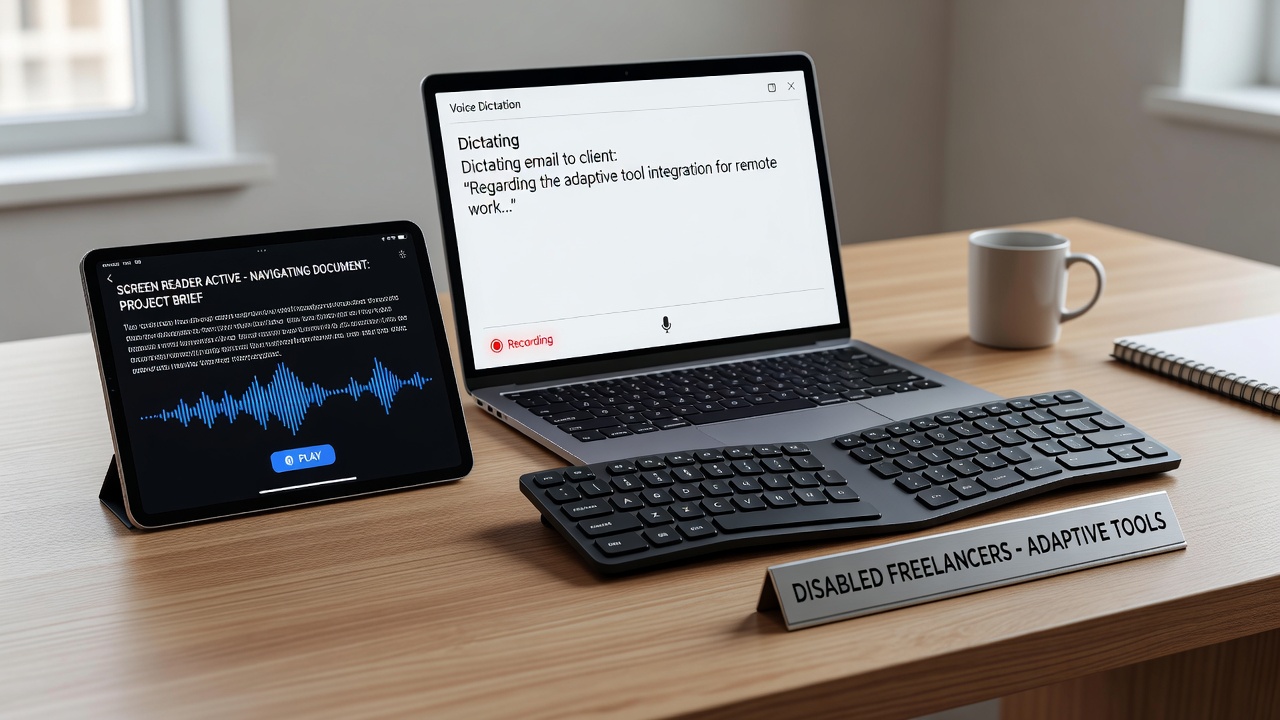
Choosing the right tools can transform productivity for disabled freelancers. Screen readers like NVDA and JAWS provide essential support for visually impaired users, enabling navigation of complex interfaces and document editing without visual reliance. Voice dictation software such as Dragon NaturallySpeaking excels for those with mobility limitations, converting spoken words into text at high accuracy rates for long-form writing projects. Comparing options reveals important trade-offs: NVDA is free and open-source, making it accessible for beginners testing the waters, whereas premium alternatives like JAWS offer advanced customization, scripting features, and superior integration with enterprise software used by corporate clients.
Additional solutions include ergonomic input devices such as trackball mice and sip-and-puff systems for severe mobility impairments, alongside AI-powered accessibility extensions that adapt website interfaces in real time. Freelancers should test tools during trial periods to match specific needs, prioritizing compatibility with common freelance platforms like project management apps and communication tools. For instance, a freelance writer with repetitive strain injury might combine voice dictation with keyboard shortcuts to reduce physical strain during peak work hours. Another example involves a developer using screen reader shortcuts to debug code efficiently. Integration with cloud-based services further enhances collaboration, allowing seamless file sharing while maintaining accessibility standards. Regular updates to these tools in 2026 have improved multilingual support and error correction, making them more reliable for international clients.
Legal Compliance Steps Under 2026 Regulations
Understanding legal frameworks is essential for protecting rights and securing accommodations. In the United States, updates to the Americans with Disabilities Act emphasize digital accessibility for independent contractors, requiring platforms to provide reasonable adjustments. Freelancers should follow a structured approach: first, audit current contracts for accessibility clauses; second, document specific needs such as extended deadlines or captioning services; third, submit formal written requests citing relevant laws. Reference resources from official ADA guidance for templates and examples. Internationally, similar standards from the World Health Organization highlight inclusive employment practices; consult WHO disability resources for global perspectives on workplace equity.
Additional steps include staying informed about evolving platform policies through official newsletters and joining advocacy networks for peer support. Compliance not only safeguards freelancers but also builds trust with clients who value ethical partnerships. A practical example involves a freelancer requesting video captioning for meetings, supported by documentation that demonstrates improved productivity without additional cost to the client. Monitoring regulatory changes quarterly ensures ongoing alignment, preventing potential disputes and fostering long-term career stability.
Workspace Setup Guides with Practical Examples
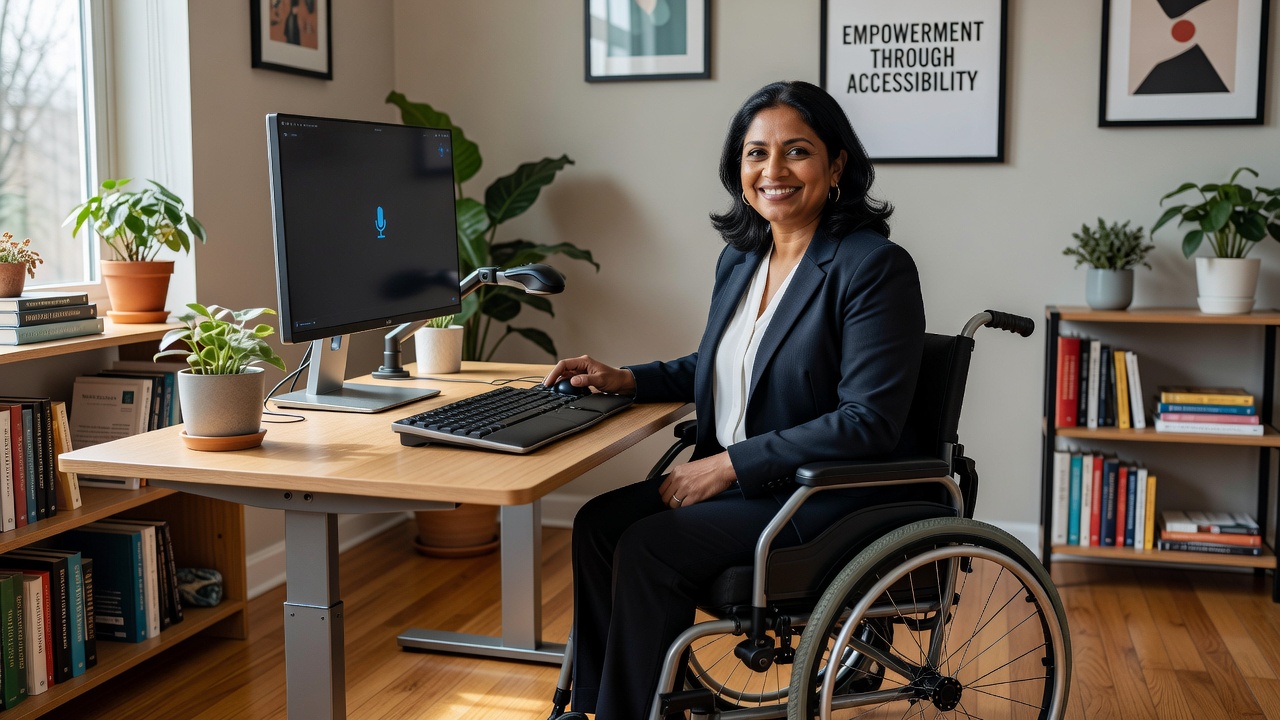
An accessible home office begins with adjustable furniture and strategic lighting to support sustained focus. For wheelchair users, ensure clear pathways of at least 36 inches and height-appropriate desks that allow knee clearance. Examples from successful setups include modular ergonomic chairs paired with monitor arms that reduce neck strain during extended sessions. Consider these actionable recommendations:
- Position monitors at eye level using adjustable arms to minimize neck stress and eye fatigue.
- Incorporate voice-activated smart home devices for hands-free control of lighting, temperature, and notifications.
- Use anti-fatigue mats for those who stand intermittently, combined with sit-stand converters for flexibility.
- Install task lighting with dimmable options to accommodate light sensitivity conditions.
Budget-conscious freelancers can start by repurposing existing items, such as stacking books for monitor elevation or using pillows for lumbar support, before investing in specialized equipment. A detailed case involves a freelancer with chronic pain who created zones: one for computer work with supportive seating and another for voice-based tasks using a standing desk converter. Regular assessments of the workspace, perhaps monthly, help identify new adjustments as needs evolve.
Client Communication Strategies
Transparent dialogue about accessibility needs fosters productive partnerships. Start conversations early by outlining preferred communication methods, such as video captions or asynchronous messaging via email instead of real-time calls. Provide clients with simple accommodation summaries to set expectations without oversharing personal details. Effective strategies include preparing template responses that highlight mutual benefits like higher quality deliverables.
Case Studies of Successful Disabled Digital Nomads
Real-world examples demonstrate the impact of these strategies. One graphic designer with hearing loss uses automated transcription tools to manage international client calls, securing repeat contracts through clear boundary-setting and proactive sharing of accessibility preferences. Another freelancer with visual impairment leverages platform accessibility features and screen readers to deliver high-quality web development work while traveling across multiple time zones. These stories underscore the importance of adaptability and community support in building sustainable careers.
Building Accessible Portfolios and Leveraging Platforms
Portfolios should demonstrate both skills and accessibility awareness. Include alt text on all images, ensure website compatibility with assistive technologies using guidelines from W3C accessibility standards, and feature case studies highlighting adaptive methods. Platforms like Upwork and Fiverr offer built-in accessibility settings; optimize profiles by adding relevant keywords and testing navigation with screen readers. Effective strategies involve joining disability-inclusive freelancer communities for referrals and using analytics to refine visibility. This approach turns potential challenges into differentiators that attract inclusive clients seeking diverse talent pools.
Frequently Asked Questions
What accommodations are most common for disabled freelancers?
Common requests include flexible deadlines, captioning services, and ergonomic equipment reimbursements. Many platforms now provide dedicated support channels for these needs, streamlining the process.
How do I disclose a disability without risking opportunities?
Focus on solutions rather than limitations. Frame requests around mutual benefits, such as improved collaboration efficiency and reduced revisions through clear communication protocols.
Are there grants available for adaptive technology in 2026?
Yes, various nonprofit and government programs offer funding for tools and training. Research eligibility through established disability advocacy organizations and apply during open cycles.
What platforms best support accessibility features?
Popular options include those with robust screen reader support and captioning integrations; always verify current features directly on the platform before committing.
Conclusion
By implementing these targeted practices, disabled freelancers can thrive in remote environments throughout 2026 and beyond. Empowerment comes from combining the right tools, legal knowledge, strategic communication, and accessible portfolio development to create equitable opportunities in the evolving gig economy. Continuous learning and community engagement will further strengthen these foundations for lasting success.

No comments yet. Be the first!