 Jobboy

Introduction
As the gig economy continues to expand in 2026, more seniors are discovering remote work options that provide both financial independence and personal fulfillment. Remote freelance careers allow older adults to draw on decades of professional experience in fields like consulting and content creation while enjoying schedules that respect health limitations and family commitments. This comprehensive guide explores suitable industries, practical ways to overcome technology challenges, detailed steps for setting up profiles on freelance platforms, real-world success stories, and strategies for creating flexible work arrangements. Seniors seeking age-friendly opportunities will find actionable advice tailored to their unique needs and goals.
Suitable Industries for Senior Freelancers
Several industries actively value the expertise and reliability that seniors bring to remote freelance roles. Consulting stands out as a premier choice, enabling experienced professionals to advise companies on strategic planning, human resources practices, or sector-specific challenges. Many businesses appreciate the calm perspective and proven track record older consultants offer. Content creation represents another thriving area, encompassing blog writing, newsletter editing, video scripting, and educational material development for websites and online courses.
Additional strong options include virtual tutoring in subjects such as history, mathematics, or foreign languages, administrative support for small businesses, and specialized translation or transcription services. These roles often prioritize depth of knowledge over rapid output, making them particularly well-suited for seasoned workers. Seniors can also explore niche areas like grant writing for nonprofits or mentoring younger professionals through structured programs. By matching personal strengths to market demand, seniors can build sustainable income streams that feel purposeful rather than obligatory.
Overcoming Technology Barriers with Simple Tools
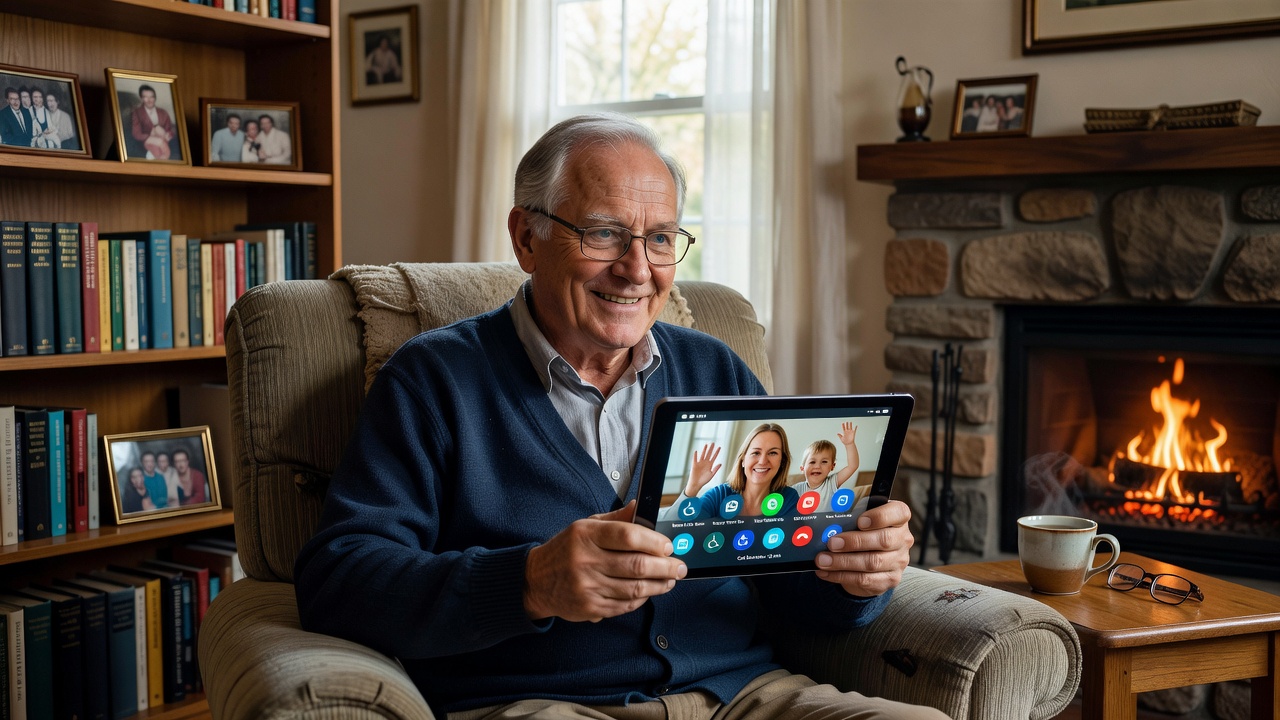
Many seniors hesitate to pursue remote work due to concerns about learning new technology, yet numerous accessible solutions make the transition manageable. Beginning with intuitive devices such as tablets or large-screen laptops paired with voice-to-text applications reduces the learning curve significantly. Video conferencing tools like Zoom feature straightforward interfaces, while cloud storage platforms simplify document organization and sharing without complex setups.
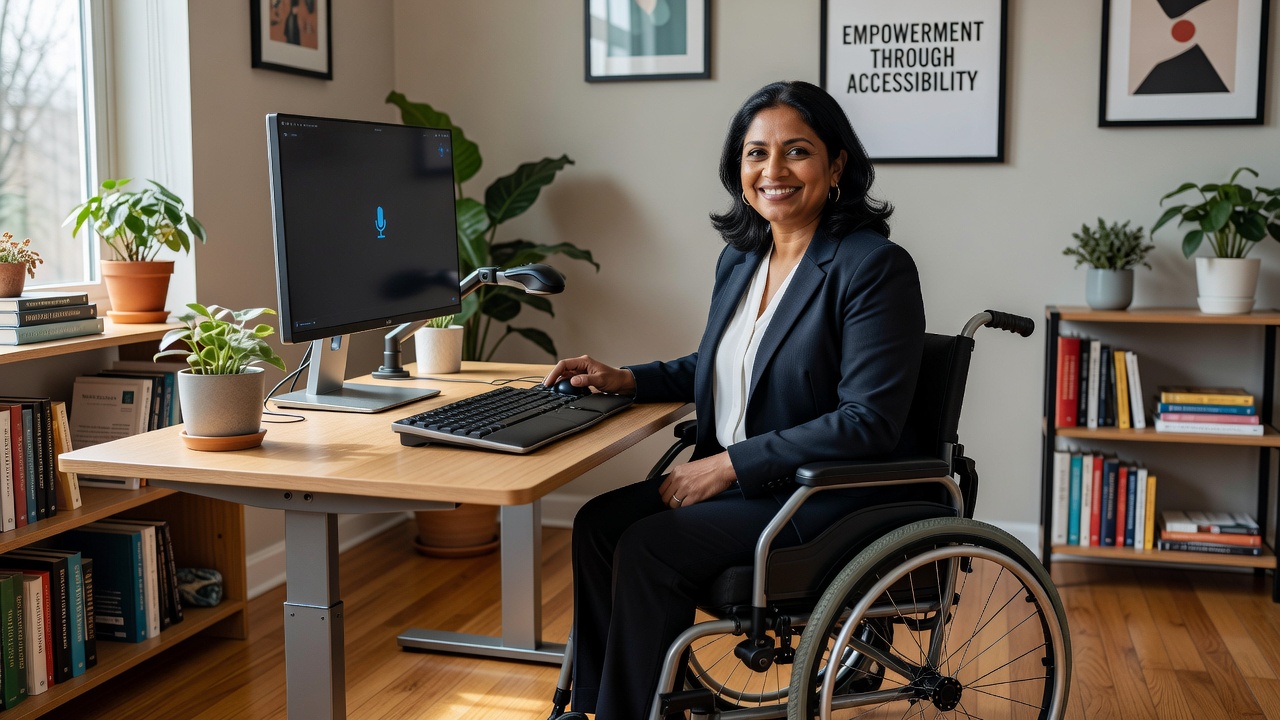
Free online tutorials from reputable sources and local community workshops provide step-by-step guidance tailored for older adults. Building confidence through small daily practice sessions helps integrate these tools naturally. Additionally, ergonomic accessories such as adjustable chairs and screen magnifiers support physical comfort during extended computer use. With patience and the right resources, technology becomes an enabler rather than a barrier to meaningful remote careers.
Setting Up Profiles on Freelance Platforms
Establishing a compelling online presence starts with selecting reputable freelance marketplaces that welcome diverse talent. After creating accounts, craft detailed profiles that emphasize career achievements, specialized skills, and preferred working hours. Include professional photographs and clear summaries highlighting the unique value you deliver to clients. Next, compile a portfolio of past work samples, even if they originate from pre-retirement roles, and request testimonials from initial projects to build credibility.
Consistent engagement proves essential: set aside time each week to review and respond to relevant project postings. Many platforms offer search filters that help target opportunities matching your expertise. Over time, positive reviews and repeat clients create momentum, leading to steadier work flow. Seniors should also consider joining platform-specific communities or forums for tips on navigating the system effectively.
Building Flexible Schedules Around Health Needs
One of the greatest advantages of remote freelance work lies in the ability to design schedules that accommodate medical appointments, physical therapy, or periods of lower energy. Begin by tracking personal rhythms for several weeks to identify peak productivity times, then align client deliverables accordingly. Incorporate regular breaks using simple techniques like the Pomodoro method adapted for comfort, and communicate expected response times clearly with clients to set realistic expectations.
Many seniors find success by blocking out mornings for focused tasks and reserving afternoons for lighter activities or rest. Integrating movement, such as short walks or stretching routines, maintains both physical and mental well-being. This intentional approach prevents burnout while sustaining long-term engagement with freelance projects.
Real-World Case Studies of Successful Senior Freelancers
Real examples illustrate how seniors successfully transition into remote roles. Maria, a retired high school teacher, now provides virtual Spanish tutoring sessions three days per week. She structures lessons around her morning routine and uses video platforms to connect with students worldwide, supplementing her retirement income while staying intellectually engaged. Another inspiring case involves Robert, a former corporate marketing director who offers branding consulting on a part-time basis. He leverages his extensive network through professional networking sites to secure contracts, working approximately 20 hours weekly from his home office.
A third example is Linda, who turned her lifelong passion for writing into a content creation business focused on travel and lifestyle topics for senior audiences. Starting with small assignments, she gradually built a client base that allows her to work around arthritis-related limitations. These stories demonstrate that with persistence and strategic planning, seniors can create rewarding freelance careers that enhance quality of life.
Part-Time vs Full-Time Remote Setups
Choosing between part-time and full-time remote arrangements depends on individual circumstances. Part-time setups, typically involving 10 to 20 hours weekly, maximize flexibility for health management and personal interests while providing meaningful supplemental income. Full-time commitments around 30 to 40 hours suit those desiring greater financial rewards and professional stimulation but demand disciplined time management and stronger physical stamina.
Many seniors begin with part-time work to test compatibility, then expand hours as confidence grows. Key decision factors include current retirement income levels, energy patterns, and long-term lifestyle goals. Both models benefit from clear boundaries between work and leisure to maintain overall satisfaction.
Addressing Common Concerns Like Age Bias and Retirement Integration
Age bias remains a concern for some seniors entering the freelance market, yet focusing profiles on measurable results and specialized expertise helps shift attention away from chronological age. Selecting platforms with broad, inclusive client bases further reduces exposure to bias. Regarding retirement integration, freelancers can often combine earnings with benefits while monitoring any applicable earnings limits. Practical resources from official government sites assist in navigating these considerations smoothly.
FAQ
- How do I address age bias in applications? Emphasize skills, results, and client outcomes in profiles rather than personal details, and select platforms known for diverse opportunities.
- Can remote work integrate with retirement benefits? Yes, many seniors successfully combine freelance income with Social Security; review guidelines through the Social Security Administration for current rules.
- What if health issues interrupt work? Build buffer time into every project schedule and maintain open communication with clients about availability for understanding arrangements.
- Are there training resources for seniors? Numerous free digital literacy programs offered by nonprofits and community centers provide senior-friendly instruction on essential tools.
- How do taxes work for freelance seniors? Track income and expenses carefully; consult resources from the Internal Revenue Service for self-employment tax information.
Conclusion
Remote freelance opportunities in 2026 empower seniors to stay active, generate income, and share valuable expertise on their own terms. By identifying suitable industries, mastering accessible tools, establishing strong platform profiles, and designing schedules around personal health needs, older adults can create fulfilling careers that align with retirement lifestyles. Starting with manageable steps and maintaining consistency leads to sustainable success and greater independence in this evolving work landscape.
No comments yet. Be the first!