 Jobboy
Introduction: Why Remote Podcasting Is Ideal for Freelancers in 2026
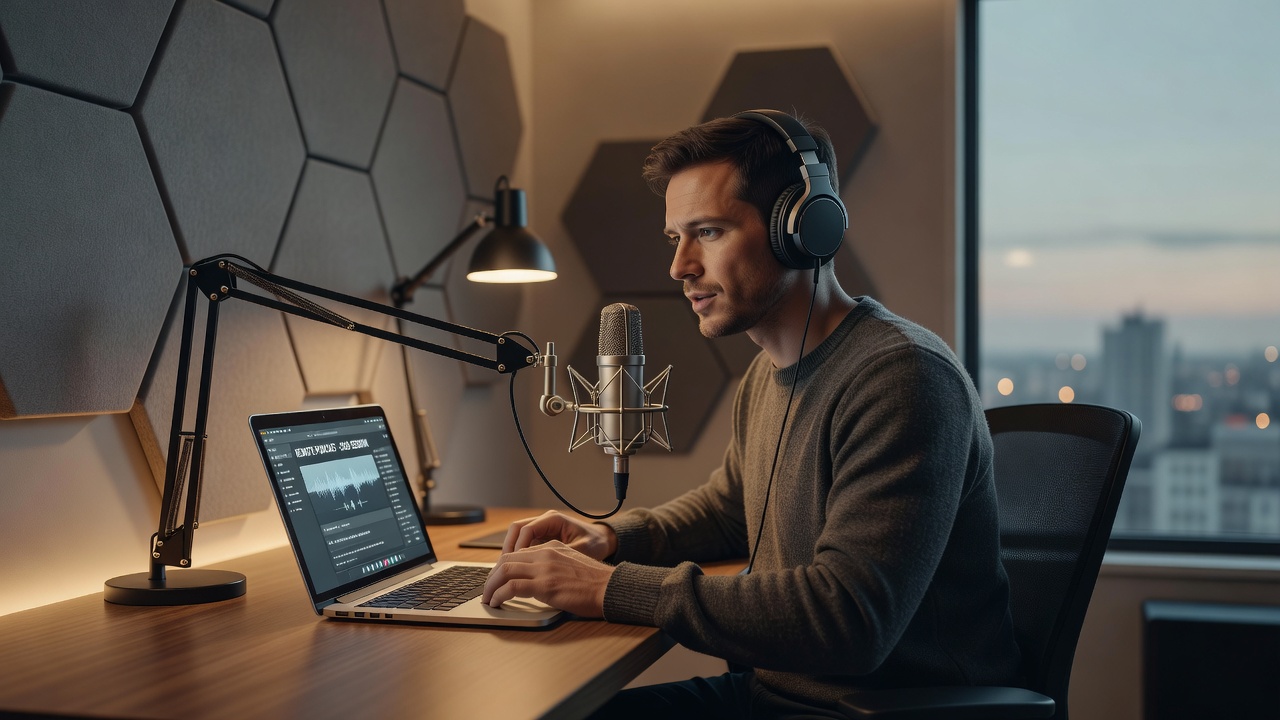
Remote podcasting has emerged as a powerful side hustle or full-time career path for freelancers seeking flexibility and creative control. In 2026, advances in affordable technology and global connectivity make it easier than ever to produce professional content from home without traditional studio overhead. This blueprint walks beginners through every stage, from selecting a profitable niche to scaling revenue streams like sponsorships and memberships. Freelancers benefit from low startup barriers and the ability to work around client schedules. Whether you're a writer, designer, or consultant, podcasting builds authority and opens new income channels while allowing you to leverage existing skills in content creation and audience engagement.
The remote aspect eliminates geographic limitations, letting you interview experts worldwide without travel costs. Many freelancers report that podcasting complements their core services by establishing thought leadership. This comprehensive guide provides actionable steps, tool comparisons, real-world examples, and strategies to overcome common hurdles like inconsistent schedules or technical glitches. By the end, you'll have a clear roadmap to launch and grow your show sustainably.
Choosing the Right Niche for Long-Term Success
Niche selection determines audience engagement and monetization potential. Focus on topics where you have expertise or passion, such as remote work strategies, freelance productivity, or industry-specific advice. Research demand using tools like Google Trends or podcast directories to identify underserved areas. Successful niches combine evergreen appeal with timely trends. For example, a podcast on sustainable freelancing could attract listeners interested in eco-friendly business practices while incorporating seasonal topics like year-end tax strategies for independents.
Avoid oversaturated markets unless you offer a unique angle, like interviews with underrepresented voices in tech or case studies from specific regions. Start by listing your top five areas of knowledge, then validate each by searching for existing shows and noting listener reviews or gaps in coverage. Consider audience demographics: professionals aged 25-45 often seek practical advice on work-life balance in remote settings. Test your idea with a pilot episode shared in freelance communities before committing fully. This methodical approach reduces the risk of low engagement and ensures your content resonates over the long term.
Affordable Home Studio Setups for Professional Audio
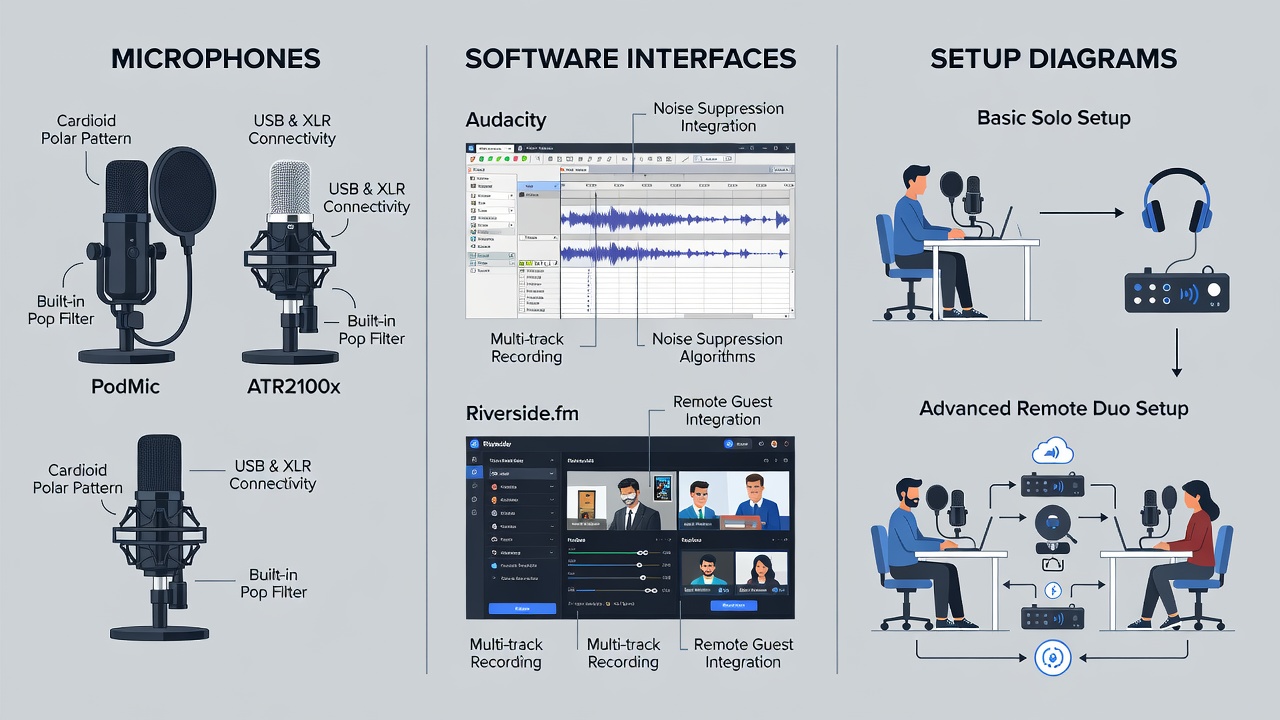
Building a remote studio doesn't require expensive gear. Start with a quality USB microphone, noise-canceling headphones, and acoustic treatment using blankets or foam panels. Position your setup in a quiet room with soft furnishings to reduce echoes. Compare options like dynamic versus condenser mics for different environments—dynamic mics handle background noise better in home offices, while condensers capture nuanced voice details in controlled spaces.
Many freelancers begin with entry-level bundles and upgrade as revenue grows. Add a pop filter to minimize plosives and a simple boom arm for comfortable positioning during long recording sessions. Test recordings in your space and adjust for clarity before recording episodes. Consider software like Audacity for free editing or Reaper for more advanced features with a low learning curve. Lighting and webcam quality matter if you produce video versions, but prioritize audio fidelity first since listeners value clear sound above visuals.
Practical steps include: 1) Assess your room's acoustics by clapping and listening for echoes. 2) Experiment with mic placement at mouth level, six to eight inches away. 3) Record sample segments and review on multiple devices. This iterative process ensures professional results without overcomplicating your workflow.
Selecting Distribution Platforms
Distribution ensures your podcast reaches listeners across devices. Popular platforms include Apple Podcasts, Spotify, and Google Podcasts for broad reach. Use a hosting service like Buzzsprout or Libsyn to generate RSS feeds and analytics. Submit your show to major directories early to build momentum. Cross-promote on YouTube by uploading video versions of episodes for additional visibility. This multi-platform approach maximizes visibility while complying with each site's guidelines. Spotify offers creator tools that help track listener demographics effectively.
Evaluate hosting providers based on storage limits, analytics depth, and integration options with social media. Some freelancers prefer services with built-in monetization features to streamline sponsorship placements later. Always back up episodes locally and review platform policies on content ownership to maintain control over your work.
Monetization Strategies: Sponsorships and Memberships
Once you have consistent listeners, explore revenue options. Sponsorships from brands aligned with your niche provide direct income, while memberships on Patreon or similar sites offer exclusive content for recurring support. Start small by securing micro-sponsorships from local businesses aligned with your theme. Track performance metrics like download numbers and engagement rates to negotiate better deals over time. Diversify with affiliate links and digital product sales for stability.
Another avenue involves offering premium episodes or community access through memberships. This builds loyalty and creates predictable revenue. Combine approaches—for instance, using sponsorships for broad appeal and memberships for dedicated fans—to create multiple income streams that support your freelance lifestyle.
Audience Growth Tactics and Remote Guest Interviews
Growing listeners requires consistent promotion. Share clips on social media, collaborate with other creators, and optimize episode titles for search. Guest interviews add value and expand reach through cross-promotion. Conduct remote interviews via Zoom or Riverside.fm. Prepare questions in advance, confirm time zones, and record backups. This builds relationships and introduces your show to new audiences.
Additional tactics include repurposing content into blog posts, newsletters, or short video snippets for platforms like LinkedIn and TikTok. Engage with listeners through Q&A episodes or polls to foster community. Track growth using analytics to refine your promotion calendar, focusing efforts on high-performing channels.
SEO Optimization for Podcast Discoverability
Search engine optimization extends beyond text content. Use keyword-rich episode descriptions, show notes with timestamps, and transcripts for accessibility. Target long-tail phrases like "remote podcasting tips for beginners 2026" to attract organic traffic. Submit to podcast-specific SEO tools and encourage reviews on platforms. Consistent publishing schedules signal reliability to algorithms, improving rankings over months.
Optimize your website or show notes pages with meta descriptions and internal links to past episodes. This creates a content hub that supports discoverability across search engines and podcast apps alike.
Legal Basics: Contracts and Compliance
Protect your freelance podcast with basic legal steps. Draft simple guest release forms for interviews and review sponsorship contracts carefully. Understand tax obligations for self-employed creators in your region. IRS resources provide guidance on reporting podcast income accurately. Consider consulting a freelancer-friendly attorney for complex deals. Insurance for equipment and liability adds another layer of security. SBA guidelines offer practical advice on small business compliance for independent creators.
Step-by-Step Action Plan to Launch Your Podcast
Follow this phased plan: Week 1-2 focus on niche validation and equipment testing. Week 3 involves scripting your first three episodes and setting up hosting. Week 4 covers recording, editing, and distribution setup. Month 2 emphasizes promotion, guest outreach, and initial SEO tweaks. Review progress monthly and adjust based on listener feedback.
Common Mistakes to Avoid
- Skipping audio tests leading to poor sound quality that drives listeners away.
- Ignoring time zone coordination for international guests, resulting in missed opportunities.
- Overcommitting to weekly releases without batch recording, causing burnout.
- Neglecting show notes and transcripts, limiting SEO potential.
Success Case Studies
Consider a freelancer who started a niche podcast on remote design tools in early 2025. By focusing on actionable tutorials and guest experts, they grew to significant monthly downloads within a year, securing sponsorships. Another example involves a productivity coach using memberships to convert listeners into clients, generating steady revenue alongside ad income. These cases highlight the value of consistency and niche focus.
FAQ: Addressing Common Challenges
- How do I handle time zone differences for guests? Use scheduling tools like Calendly with built-in zone support and record asynchronously if needed.
- What if tech issues arise during recording? Always test connections beforehand and keep backup audio methods ready, such as phone recordings as fallback.
- Is podcasting time-intensive for freelancers? Batch record episodes to fit around client work, aiming for focused sessions weekly initially.
- How long until monetization becomes viable? Most shows see initial sponsorship interest after building 5,000-10,000 consistent downloads, varying by niche.
Conclusion: Start Your Remote Podcasting Journey Today
Remote podcasting offers freelancers a scalable path to independence in 2026. By following this blueprint—niche selection, smart setups, strategic distribution, and diversified monetization—you can build a sustainable venture. Begin with one episode this week and iterate based on feedback. The opportunities are vast for those willing to commit consistently and adapt to listener needs.


No comments yet. Be the first!