 Jobboy

Introduction: Scaling Your Freelance Income Beyond Client Work
Many remote freelancers find themselves limited by trading time for money. Creating and selling digital products offers a path to passive income that aligns perfectly with the 2026 digital nomad lifestyle. This comprehensive guide covers ideation, creation using free tools, sales channels, pricing strategies, marketing tactics, real-world case studies, common mistakes, and answers to frequent questions including intellectual property concerns in the gig economy. By following these steps, you can transform your expertise into evergreen assets that generate revenue while you focus on client projects or travel.
Ideation: Finding Product Ideas Aligned with Remote Work Keywords
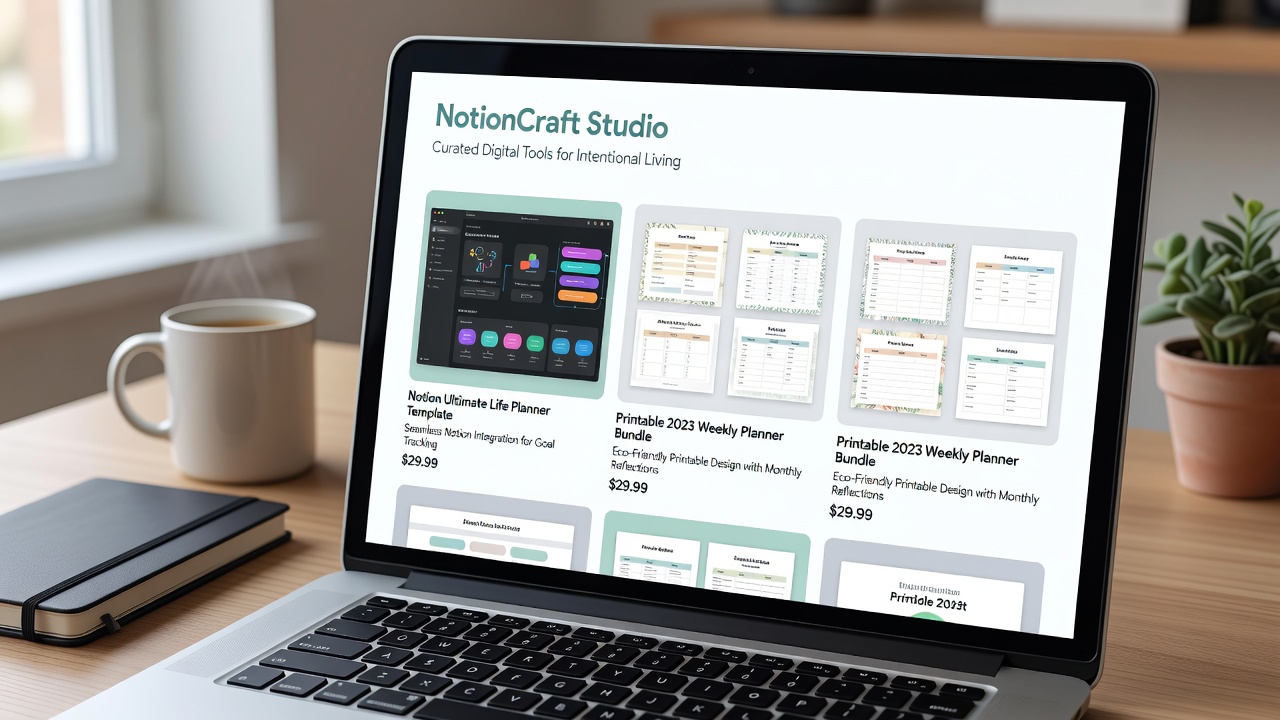
Start by identifying pain points in the remote work niche. Popular options include Notion templates for productivity, Canva templates for social media graphics, ebooks on time management, and printable planners for freelancers. Research trending keywords using free tools like Google Trends to ensure demand. Focus on evergreen topics such as remote collaboration, client onboarding, or burnout prevention to maximize long-term sales. For example, a freelancer specializing in project management might create a customizable Notion dashboard that helps other nomads track multiple clients across time zones. Survey your existing network or analyze comments on freelance forums to uncover unmet needs. Align products with search terms like "remote work templates 2026" or "freelance printable planners" to improve discoverability on marketplaces.
Step-by-Step Creation Using Free Tools
Begin with free platforms to keep costs low and accessible. Use Google Docs or LibreOffice for drafting ebooks, Canva's free tier for design templates, and Notion's personal plan for interactive workspaces. For printables, leverage Google Slides or free vector tools like Inkscape to create PDFs ready for download. Follow this detailed workflow: first, outline your product with clear sections and value propositions; second, design visuals that match current aesthetic trends such as minimalist layouts or bold color palettes; third, incorporate practical elements like fillable fields or step-by-step instructions; fourth, export in multiple formats including PDF, PNG, and editable versions; and finally, test each item thoroughly on different devices and operating systems to ensure compatibility and user-friendliness. Iterate based on initial feedback from beta testers in your network before launching.
Choosing Sales Channels: Etsy vs Gumroad and Beyond
Etsy provides built-in traffic for creative digital downloads while Gumroad excels at direct sales with customizable checkout and instant delivery. Compare features carefully: Etsy handles discoverability through its search algorithm but deducts transaction fees, whereas Gumroad offers more control over branding and integrates easily with email lists for follow-up marketing. Other viable options include setting up your own website via platforms like Shopify for full ownership or listing on Creative Market for specialized templates aimed at designers. Start with one primary platform to master the process, optimize your listings, and build initial reviews before expanding to multiple channels. Always read the latest seller policies on each site to stay compliant.
Comparing Pricing Models for Digital Products
Digital goods benefit from tiered pricing structures to appeal to different buyer segments without requiring constant updates. Offer basic versions at accessible entry points and premium bundles that include extras like lifetime updates, bonus resources, or exclusive community access. Experiment with one-time purchases versus limited subscription models for ongoing content refreshes. Monitor sales data and customer feedback regularly to refine your approach, ensuring you maintain perceived value while encouraging higher conversions. Avoid underpricing that signals low quality; instead, position your products as professional tools that save buyers significant time and effort in their remote careers.
Marketing Tactics via Social Media for Digital Nomads
Leverage platforms like Instagram, LinkedIn, and X to reach remote workers worldwide. Share behind-the-scenes creation stories, free sample previews, and authentic user testimonials to build trust. Use targeted hashtags such as #DigitalNomadLife and #FreelanceTools while collaborating with micro-influencers who have engaged audiences in the freelance space. Create lead magnets like free mini-templates to grow an email list, then nurture subscribers with valuable tips and product launches. Consistent posting schedules combined with storytelling that highlights real results convert followers into loyal customers. Cross-promote across your personal freelance profiles to leverage existing relationships and expand reach organically.
Real Freelancer Case Studies
One remote graphic designer launched a set of social media templates on Etsy after repurposing elements from past client projects into original resources. Within the first year, she diversified into multiple income streams by adding matching printables and email sequences, allowing her to reduce client hours while maintaining overall earnings. Another freelancer created an in-depth ebook on remote productivity using only free tools and marketed it through targeted LinkedIn groups and webinars. This approach yielded steady passive sales alongside ongoing consulting work, demonstrating how niche expertise can fuel scalable side income. A third example involves a virtual assistant who developed printable client management planners; by sharing progress on Instagram Stories, she built anticipation and achieved consistent monthly downloads shortly after launch.
Common Mistakes to Avoid When Selling Digital Products
- Skipping thorough keyword research, which leads to low visibility in crowded marketplaces.
- Overlooking product testing, resulting in frustrated buyers and negative reviews.
- Ignoring platform policies on refunds and licensing, potentially causing compliance issues.
- Failing to build an email list early, missing opportunities for repeat sales and upselling.
- Copying competitors too closely instead of adding unique value based on personal experience.
FAQ: Addressing Common Hurdles Like Intellectual Property
- How do I protect my digital products from unauthorized sharing? Use subtle watermarks, clear license agreements, and consider registering copyrights where applicable through official channels.
- What about taxes on digital sales for remote freelancers? Track all income meticulously and review guidelines on the IRS website for self-employment reporting requirements.
- Can I use elements from client work as inspiration for my products? Always create fully original content to avoid infringement issues common in the gig economy.
- How do I handle customer refunds and disputes? Set transparent policies upfront on platforms like Etsy to minimize conflicts and maintain positive seller ratings.
- Which tools work best for beginners with no design background? Start with intuitive options like Canva and Notion, which offer templates and drag-and-drop features to accelerate creation.
- Is it better to sell on Gumroad or build my own site first? Begin on established marketplaces for traffic, then migrate to a personal site once you have proven demand and an audience.
Conclusion: Building Sustainable Passive Income
Creating digital products empowers remote freelancers to diversify revenue streams in 2026 and beyond. By focusing on valuable, keyword-aligned items developed with free tools and promoted through strategic social media marketing, you can achieve scalable growth without additional client hours. Start small with one well-researched product, gather feedback, iterate based on results, and enjoy the freedom of location-independent earnings that complement your freelance career.


No comments yet. Be the first!