 Jobboy
How to Design a Creativity-Boosting Remote Work Routine
Freelancers and digital nomads often face the dual challenge of maintaining structure while preserving the freedom that drew them to remote work. A well-designed routine can transform monotony into momentum and idea blocks into breakthroughs by combining productivity frameworks with creative triggers. This guide explores practical methods to craft such a routine, drawing from real experiences and evidence-based approaches. Whether you struggle with starting the day or sustaining energy through long client projects, the strategies below provide a blueprint for consistent creative output without sacrificing flexibility.
Morning Activation Rituals
Starting the day with intention sets the tone for creative output. Begin with 10-15 minutes of movement, such as stretching or a short walk, followed by journaling three ideas without judgment. This activates both body and mind, priming neural pathways for innovation. Incorporate hydration and a nutrient-rich breakfast to sustain energy levels through focused work blocks. Many successful remote workers add a 5-minute mindfulness session using apps that guide breathing exercises, which helps clear mental clutter before diving into tasks. For those in different time zones, aligning this ritual with sunrise can further enhance mood regulation and idea flow, as supported by general wellness guidance from National Institutes of Health.
Strategic Break Scheduling
Breaks are not interruptions but essential resets. Use the Pomodoro technique adapted for creativity: 50 minutes of deep work followed by a 10-minute break involving non-screen activities like walking or sketching. Schedule longer breaks every 90-120 minutes to align with natural ultradian rhythms, preventing burnout and fostering fresh perspectives. Research from the American Psychological Association highlights how strategic pauses enhance cognitive flexibility. In practice, track your energy dips using a simple notebook or digital log to refine break timing over a two-week period, ensuring breaks align with your personal ultradian cycles rather than a one-size-fits-all model.
Workspace Personalization for Inspiration
Your environment directly influences creative flow. Personalize your space with elements that spark joy, such as artwork, plants, or mood boards. Ensure ergonomic setup with proper lighting and minimal clutter. Experiment with scent diffusers or background music tailored to tasks. 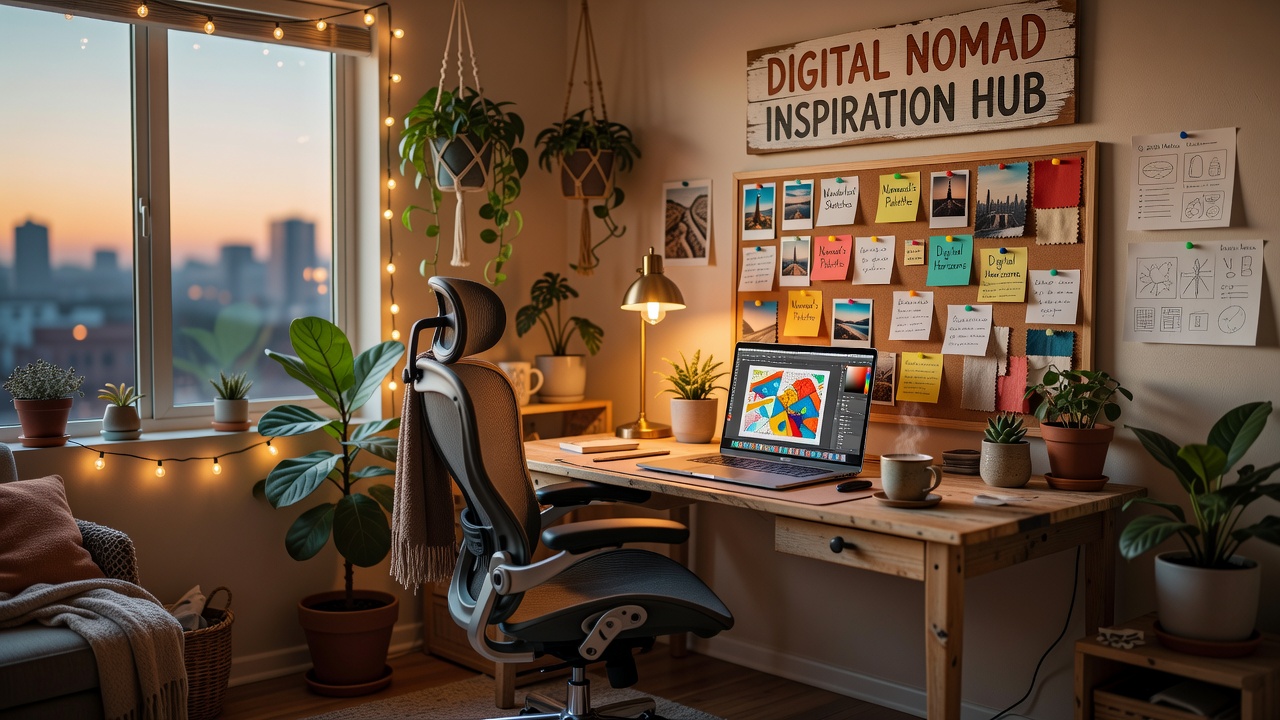
Tools for Tracking Creative Flow
Digital tools help monitor and optimize routines. Apps like Notion or Trello for task visualization, combined with habit trackers such as Streaks, provide insights into peak creative times. Journaling apps can log energy levels and output, revealing patterns over weeks. Integrate time-blocking software to balance client work with personal creative projects. Review data weekly to identify which triggers correlate with highest output, then double down on those elements while phasing out less effective ones.
Real-World Examples from Successful Gig Workers
Consider the routine of a freelance graphic designer who starts mornings with coffee and freehand sketching before client calls. A digital nomad copywriter uses afternoon hikes as idea incubation periods, often returning with breakthrough concepts. Another example is a web developer who incorporates 15-minute coding experiments unrelated to client work each afternoon, leading to innovative solutions that later apply to paid projects. These examples demonstrate blending discipline with flexibility, leading to sustained high output without rigid 9-to-5 constraints. Nomads traveling between cities often adapt by carrying a portable inspiration kit containing notebooks and headphones.
Customizable 7-Day Routine Template
Adapt this template to your needs: Monday through Friday feature 4-6 hour work blocks with built-in creative triggers; weekends emphasize recovery and exploration. Morning: 7-9 AM activation. Midday: strategic breaks. Afternoon: focused creation. Evening: reflection and wind-down. Customize based on your chronotype and energy peaks.
- Day 1-5: Core work with 2 creative prompts daily, such as freewriting or mind mapping
- Day 6: Review week and experiment with new tools or environments
- Day 7: Restorative activities like reading or nature time plus light planning for the week ahead
Adjust block lengths seasonally or when client deadlines shift, always preserving at least one hour daily for non-billable creative exploration.
Rigid vs. Adaptive Schedules Comparison
Rigid schedules offer predictability but can stifle creativity through monotony. Adaptive schedules allow responsiveness to inspiration yet risk inconsistency. The optimal approach blends both: core fixed blocks for accountability and flexible windows for creative exploration. This hybrid model supports long-term sustainability for remote workers by reducing decision fatigue while leaving room for spontaneous breakthroughs.
Overcoming Common Idea Blocks
When blocks occur, switch tasks temporarily or use prompts like listing 10 bad ideas to lower perfectionist barriers. Change physical location within your home or step outside for five minutes. Many gig workers combat blocks by consuming diverse media unrelated to their field, such as podcasts on unrelated topics, which sparks cross-pollination of ideas.
Measuring Success and Iterating Your Routine
Track metrics like completed creative tasks, self-rated energy, and client satisfaction monthly. If output plateaus, experiment with one variable at a time, such as altering break lengths or adding a new workspace element. Iteration ensures the routine evolves with your lifestyle rather than becoming another source of pressure.
Conclusion
Designing a creativity-boosting remote routine requires experimentation and personalization. By integrating morning rituals, strategic breaks, inspiring workspaces, and tracking tools, freelancers can overcome common hurdles and thrive. Start small, iterate based on results, and watch your output flourish.
FAQ
How do I handle distractions in a remote setup?
Establish clear boundaries with family or roommates, use noise-cancelling headphones, and designate specific work hours. Turn off non-essential notifications during deep work periods and communicate availability via shared calendars.
What if motivation dips mid-week?
Revisit your why, incorporate a quick win task, or change scenery. Review your tracking data to adjust energy management strategies and consider a short walk or creative exercise to reset focus.
Is a 7-day template too structured for nomads?
No, the template is fully customizable with built-in flexibility for travel or varying client demands while maintaining creative anchors that prevent total drift.
How long until I see results from a new routine?
Most individuals notice improved consistency within two to three weeks, with creative output gains becoming evident after four to six weeks of consistent application and refinement.
Can these strategies work across different time zones?
Yes, focus on aligning rituals with your personal energy peaks rather than clock time, and use tools like world clocks to maintain client communication without disrupting your flow.

No comments yet. Be the first!