 Jobboy

Introduction: The Growing Need for Freelancer Protections
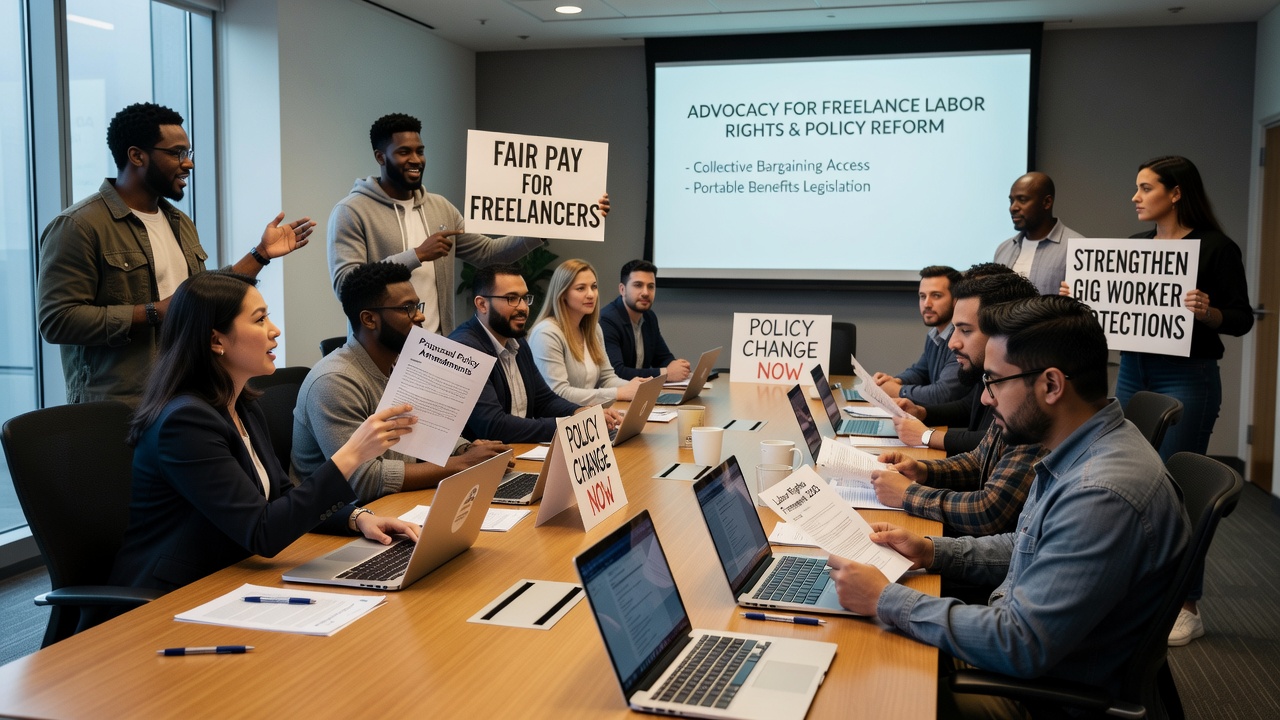
The gig economy continues to expand rapidly in 2026, empowering millions of individuals to build flexible careers through side hustle opportunities and remote freelance work. Yet this growth has also highlighted persistent gaps in labor protections. Freelancers often operate without the safety nets available to traditional employees, facing unpredictable income streams, limited access to healthcare or retirement savings, and challenges when disputes arise with platforms or clients. As digital platforms evolve with sophisticated algorithms and global reach, the urgency for collective advocacy has never been greater. This comprehensive guide examines the core issues, shares proven policy successes, compares international approaches, and delivers step-by-step strategies for freelancers seeking sustainable and equitable working conditions.
Key Issues Facing Gig Workers Today
Fair Compensation in the Gig Economy
Compensation remains one of the most pressing concerns. Many platforms deduct significant fees, and opaque algorithms control job visibility and pay rates. Freelancers frequently report sudden rate changes or withheld earnings without clear explanations. Advocacy groups are pushing for mandatory transparency in payment calculations and the establishment of minimum earnings floors that account for time spent on unpaid tasks such as bidding or client communication. Real-world campaigns have shown that collective pressure can force platforms to revise fee structures and improve payout predictability.
Access to Benefits and Protections
Without employer-sponsored benefits, gig workers must navigate fragmented systems for health coverage, paid time off, and retirement contributions. Portable benefits models that travel with the worker across multiple platforms represent a promising solution. These systems allow contributions from various income sources to accumulate into a single benefits account. Advocates emphasize that such frameworks reduce financial vulnerability during slow periods or personal emergencies while maintaining the flexibility that attracts people to freelance work.
Dispute Resolution Mechanisms
Account suspensions, payment disputes, and contract disagreements can devastate a freelancer’s livelihood overnight. Effective resolution requires independent third-party arbitration rather than platform-controlled processes. Some regions now mandate worker representation on oversight boards, ensuring that algorithms and policies are reviewed with input from those most affected. Strong mechanisms also include clear timelines for appeals and public reporting of common dispute patterns to drive systemic improvements.
Real-World Examples of Successful Policy Changes
California’s AB5 legislation and its subsequent refinements demonstrate how sustained advocacy can reshape worker classification rules. European efforts culminated in the EU Platform Work Directive, which requires platforms to disclose algorithmic decision-making and grants workers rights to contest automated rulings. In Spain, the “Riders’ Law” reclassified many delivery workers as employees while preserving genuine self-employment pathways for other freelancers. These examples illustrate that targeted campaigns combining legal challenges, public awareness, and political engagement produce lasting reforms. Similar movements in Canada and parts of Latin America are now adapting these models to local contexts.
Country-Specific Comparisons
Protection levels vary dramatically worldwide. The United States depends largely on state-level experiments, resulting in uneven coverage. Nordic countries integrate gig workers into robust social systems through sector-wide collective bargaining agreements that set minimum standards across platforms. Australia’s Fair Work Ombudsman provides a centralized investigative body that freelancers can approach directly. Meanwhile, emerging economies in Southeast Asia are piloting digital registration systems that link gig income to basic social security contributions. Comparing these approaches reveals that hybrid models combining government oversight with platform accountability tend to deliver the most balanced outcomes.
Actionable Steps for Joining Advocacy Networks
- Start by exploring resources from established international bodies such as the International Labour Organization, which publishes guidelines on decent work in the digital economy.
- Connect with national or regional freelancer associations that offer training, legal templates, and coordinated campaigns.
- Contribute to public consultations and data-collection efforts that inform upcoming legislation on platform accountability.
- Volunteer time or expertise to support ballot measures and legislative outreach focused on portable benefits and fair pay standards.
- Share personal stories on trusted forums to humanize statistics and build broader public support for reform.
Practical Tips for Negotiating Better Terms
- Always secure written agreements that specify deliverables, timelines, revision limits, and payment schedules before beginning any project.
- Research prevailing market rates using reputable salary surveys and adjust your proposals accordingly to reflect specialized skills or urgent deadlines.
- Diversify your client base across multiple platforms and direct contracts to minimize reliance on any single source of work.
- Include clauses that protect against unilateral rate changes and guarantee compensation for scope creep.
- Document all communications and deliverables meticulously, creating a paper trail that strengthens your position during disputes.
- Periodically review and renegotiate long-term contracts to reflect inflation, increased expertise, and changing platform policies.
Building a Personal Advocacy Strategy
Individual action complements collective efforts. Begin by auditing your own contracts and identifying recurring pain points. Set aside time each month to follow policy developments and participate in online discussions. Consider creating or joining peer accountability groups where members review each other’s contracts and share negotiation wins. Tracking personal metrics such as average payment times and dispute frequency helps quantify problems and strengthen advocacy arguments. Over time, these habits transform isolated freelancers into informed participants capable of influencing both immediate client relationships and broader industry standards.
Long-Term Sustainability in the Gig Economy
Advocacy must also address structural issues such as skills development and financial resilience. Supporting initiatives for subsidized training programs and micro-retirement accounts helps freelancers maintain competitiveness and security. International organizations including the OECD regularly publish research on these topics, offering data-driven insights that advocates can leverage. By combining personal negotiation skills with organized policy work, freelancers can help shape a gig economy that rewards flexibility without sacrificing dignity or stability.
FAQ: Common Challenges and Resources for Beginners
How do I start advocating if I’m new to the gig economy?
Begin with small steps: read labor law summaries from government websites, join beginner-friendly online communities, and attend virtual webinars hosted by established advocacy groups. Many organizations provide free starter kits that explain rights and outline simple actions.
What if my platform deactivates my account unfairly?
Immediately review the platform’s terms of service for appeal procedures. Simultaneously, reach out to worker advocacy networks that maintain templates for formal complaints and can connect you with legal support when needed.
Are there international resources available?
Yes. The World Bank and similar institutions publish regular reports on digital labor markets that include comparative data and policy recommendations useful across borders.
How can I protect myself while waiting for broader reforms?
Focus on contract hygiene, maintain emergency savings, and diversify income sources. These immediate practices reduce personal risk even as larger systemic changes develop.


No comments yet. Be the first!